Rapid Response Team
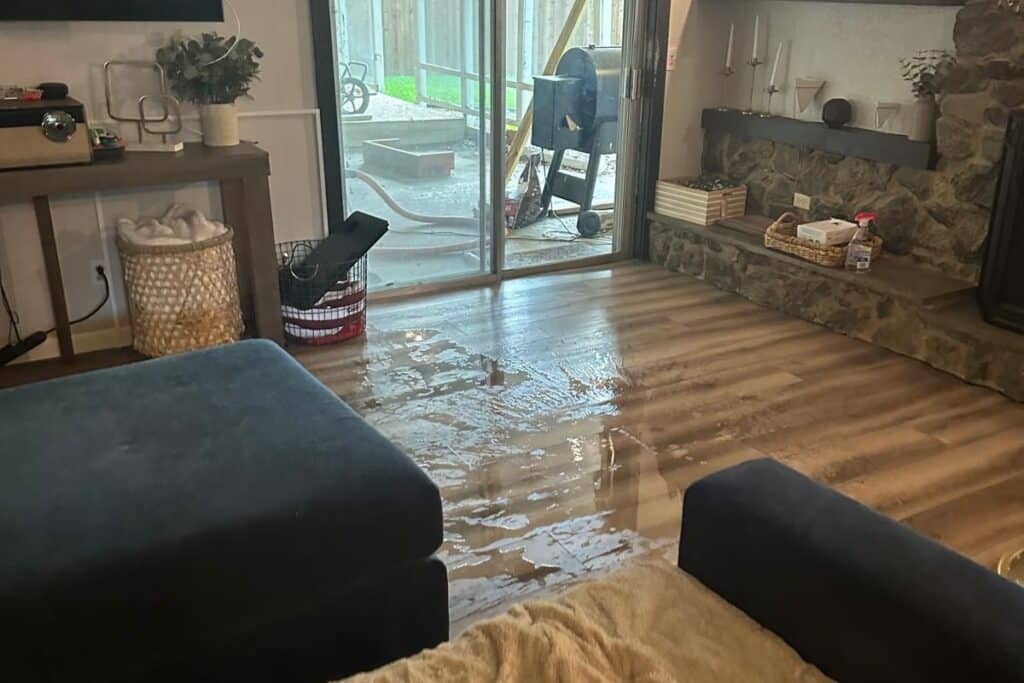
Walking into a flooded home is overwhelming. Water covering your floors, soaking into your walls, ruining furniture and belongings you can’t replace. Whether the flooding came from a severe DFW storm, a burst pipe, or a sewage backup, you need someone who can show up fast, take control of the situation, and walk you through what comes next. That’s exactly what Intensa Dry Mold & Water Restoration does. Our IICRC-certified team provides emergency house flooding cleanup across the Dallas-Fort Worth MetroPlex, and we’ve been helping families get back to normal since 2023.
Experienced & Professional
Locally Owned
Certified & Licensed
Free Estimate
Local. Certified. Ready.
Dallas-Fort Worth homes face flooding from multiple sources throughout the year:
North Texas weather brings specific risks: heavy spring and summer thunderstorms cause flash flooding, and December through January freezing temperatures lead to pipe bursts across the region. Tornadoes can also cause structural breaches that expose interiors to rain. These weather-related events can quickly damage flooring, walls, and building materials, making prompt water damage restoration essential to minimize property damage and prevent mold growth.
Floors
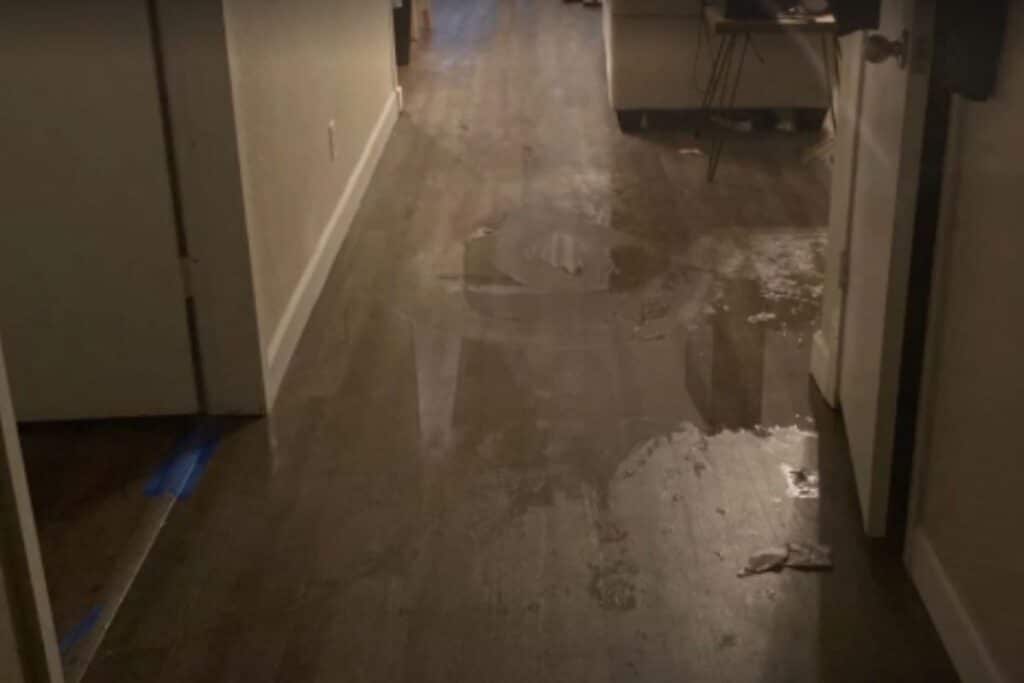
A flooded home starts deteriorating immediately. Within the first few hours, water saturates carpet, padding, and the first few inches of drywall. Furniture legs sitting in water begin wicking moisture into upholstery. Electrical outlets near the waterline become hazards.
By 24 hours, subfloor materials are swelling, drywall has absorbed moisture above the visible waterline, and odors are developing. At 48 hours and beyond, mold colonies can begin forming on damp organic materials. According to the IICRC S500 restoration standard, the window for preventing secondary damage closes rapidly once moisture exposure begins. Every hour of delay increases the cost and the likelihood that materials will need replacement rather than drying.
Our under-40-minute average response time across DFW exists specifically to beat that clock.
Our Process
Before we arrive: If it’s safe, turn off electricity to flooded areas at the breaker panel. Move valuables, electronics, and irreplaceable items to dry spaces. Don’t walk through standing water if you suspect sewage contamination or electrical risk.
During restoration: Flood water removal begins immediately. Our crews extract standing water using commercial pumps and truck-mounted extraction units. We remove saturated materials that can’t be saved, position drying equipment throughout the affected areas, and set up containment if contaminated water is involved. Moisture monitoring happens daily, with equipment adjusted as the structure dries. Water damage from flooding typically involves 3 to 7 days of active drying, depending on the volume of water and the materials affected.
After drying is complete: We clean and sanitize every surface that was exposed to flood water. Antimicrobial treatments are applied where needed. Any materials requiring replacement are removed, and we can coordinate full reconstruction and rebuild services to return your home to its pre-loss condition.
Local. Certified. Ready.
Get in Touch
We’re a family-owned company based right here in Plano, and we serve communities across the MetroPlex, including Frisco, McKinney, Allen, Richardson, Garland, Lewisville, Wylie, and beyond. When your home floods, you deserve a team that treats your property like their own. Call Intensa Dry Mold & Water Restoration for immediate house flooding cleanup, day or night.
Get your free estimate today!
FAQ
This site uses cookies and tracking technologies including Google Tag Manager, Google Maps, and YouTube. You can accept, reject non-essential tracking, or manage your preferences.
Get your free estimate today!