Rapid Response Team
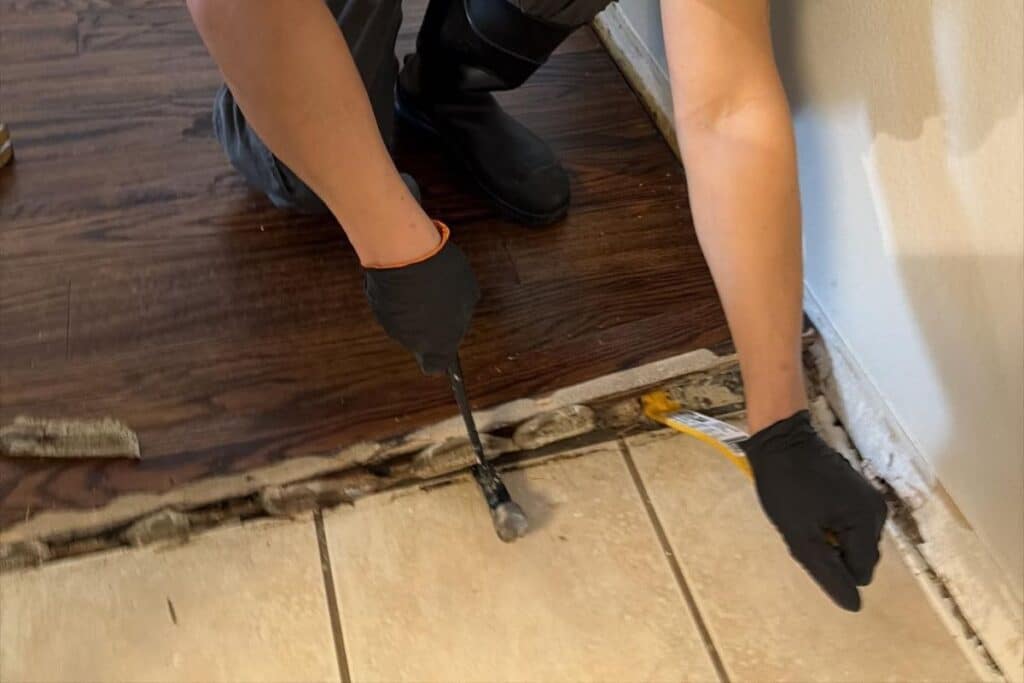
With IICRC certification, over 20 years of combined restoration experience, and equipment designed specifically for flooring systems, our team at Intensa Dry Mold & Water Restoration has restored water-damaged floors in hundreds of DFW-area homes and businesses. Water damage floor repair requires understanding how different materials respond to moisture, how quickly subfloor damage develops, and which floors can be saved versus which need replacement. That’s exactly what we bring to every water damage restoration project.
Experienced & Professional
Locally Owned
Certified & Licensed
Free Estimate
Local. Certified. Ready.
Different flooring materials react to water in different ways, and each requires a specific restoration approach:
Floors
Floors take the brunt of every water damage event. Water ends up on the floor first and stays there longest, making flooring one of the first systems to sustain permanent damage.
The subfloor beneath your finished flooring is especially vulnerable. Most DFW homes use plywood or oriented strand board (OSB) panels over wooden joists. When these materials stay wet, they swell at the edges, weaken structurally, and create soft spots that eventually require a full tear-out. Addressing floor moisture early preserves both the finished surface and the structural layer beneath it.
Our Process
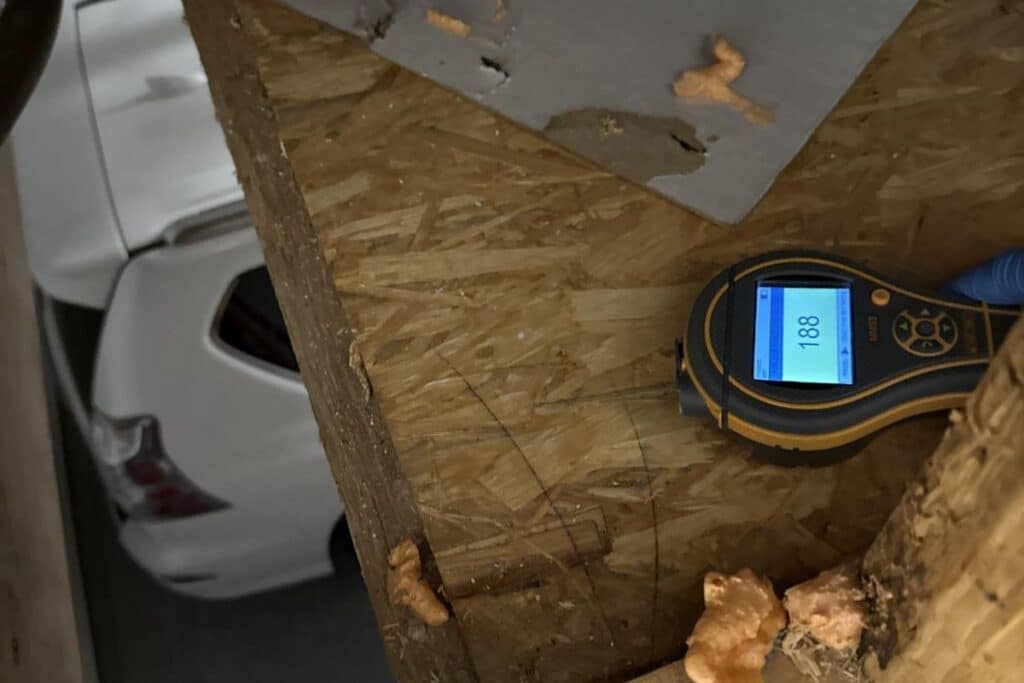
Step 1: Assessment and Moisture Mapping. We test moisture levels across the entire floor area, not just the visible wet zone. Moisture meters and thermal imaging identify water that has migrated beneath cabinets, under appliances, and into closets.
Step 2: Water Extraction. Professional extractors pull water from carpet, padding, and hard surface floors. For hardwood, we use specialty extraction tools that remove moisture without damaging the finish.
Step 3: Targeted Drying. Hardwood floors get drying mats that apply controlled vacuum and heat to pull moisture through the wood grain. Carpet and subfloor systems receive air mover and dehumidifier placement calibrated to the room’s square footage and moisture load.
Step 4: Material Evaluation. Once drying is complete, we evaluate what can stay and what needs replacement. Hardwood is checked for cupping recovery. Laminate is inspected for core swelling. Subfloor panels are tested for structural integrity.
Step 5: Restoration and Replacement. Salvageable floors are cleaned, sanitized, and prepared for use. Materials that can’t be saved are removed, and new flooring is installed. Subfloor replacement is handled when panels have swollen or delaminated beyond recovery. We coordinate with our reconstruction team for larger projects.
Get in Touch
Seeing water on your floors is stressful, but it doesn’t have to mean a full replacement. The sooner we get professional drying equipment on your floors, the better the chances of saving what’s there. Call Intensa Dry Mold & Water Restoration for a free consultation or fill out our contact form. We serve Plano, Frisco, McKinney, Allen, Richardson, Garland, Lewisville, and communities across the DFW area with 24/7 availability and an average response time under 40 minutes.
Get your free estimate today!
FAQ
This site uses cookies and tracking technologies including Google Tag Manager, Google Maps, and YouTube. You can accept, reject non-essential tracking, or manage your preferences.
Get your free estimate today!