A washing machine is one of those appliances you never think twice about until it turns on you. That is exactly what happened to a family in McKinney, TX, when the drain line behind their washer started leaking and quietly pushed water across the laundry room floor. By the time anyone noticed, the water had already crept into rooms it had no business being in. Our team at Intensa Dry Mold & Water Restoration got the call and headed out for emergency water damage restoration, and here is how the whole thing played out.
How We Traced the Leak Back to the Washer
The first job on any water loss is figuring out where the water started and how far it traveled. Standing water tells you where things are wet right now. It does not tell you where the water soaked into a wall, slid under flooring, or wicked up into a baseboard you cannot see.
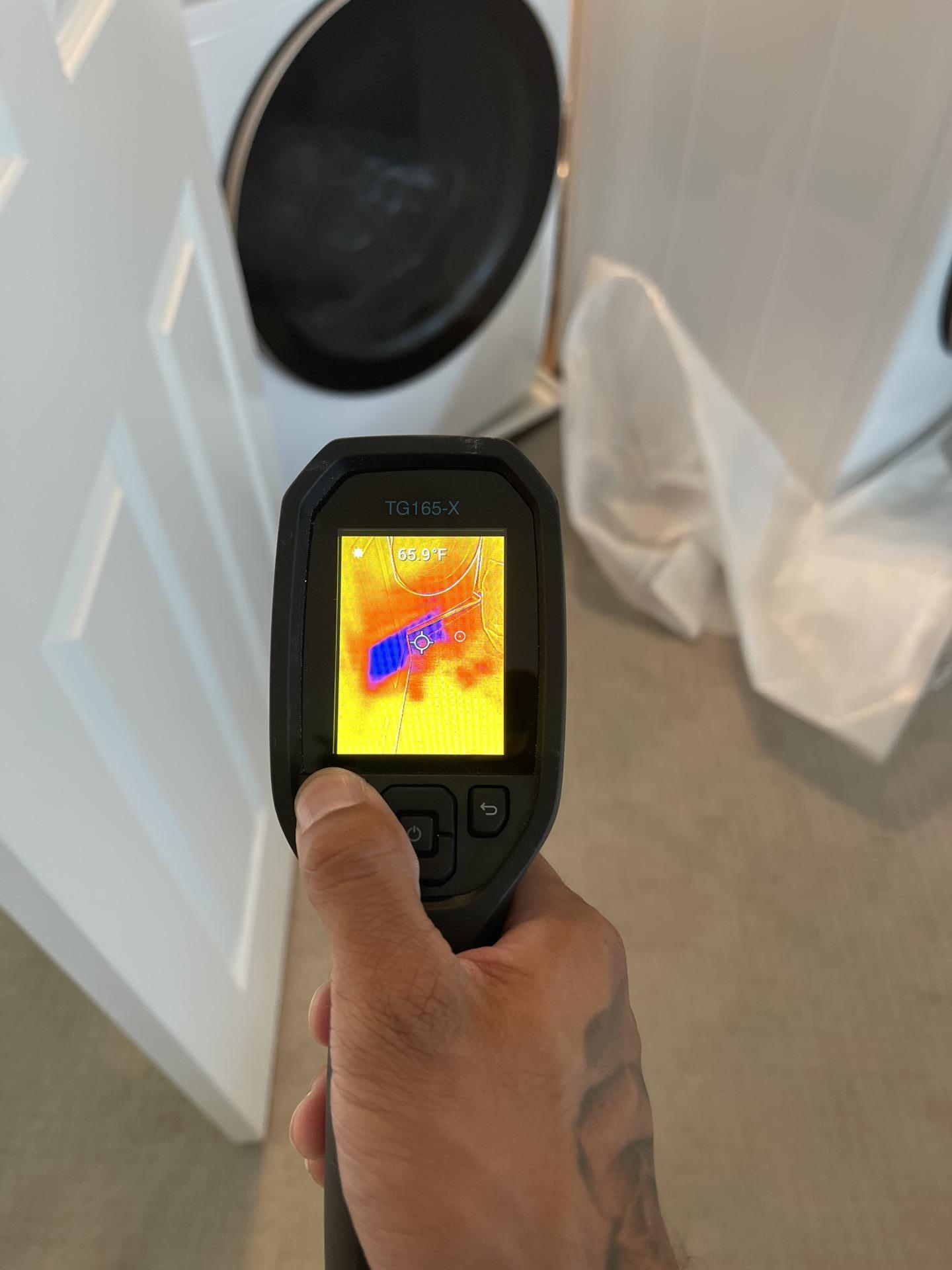
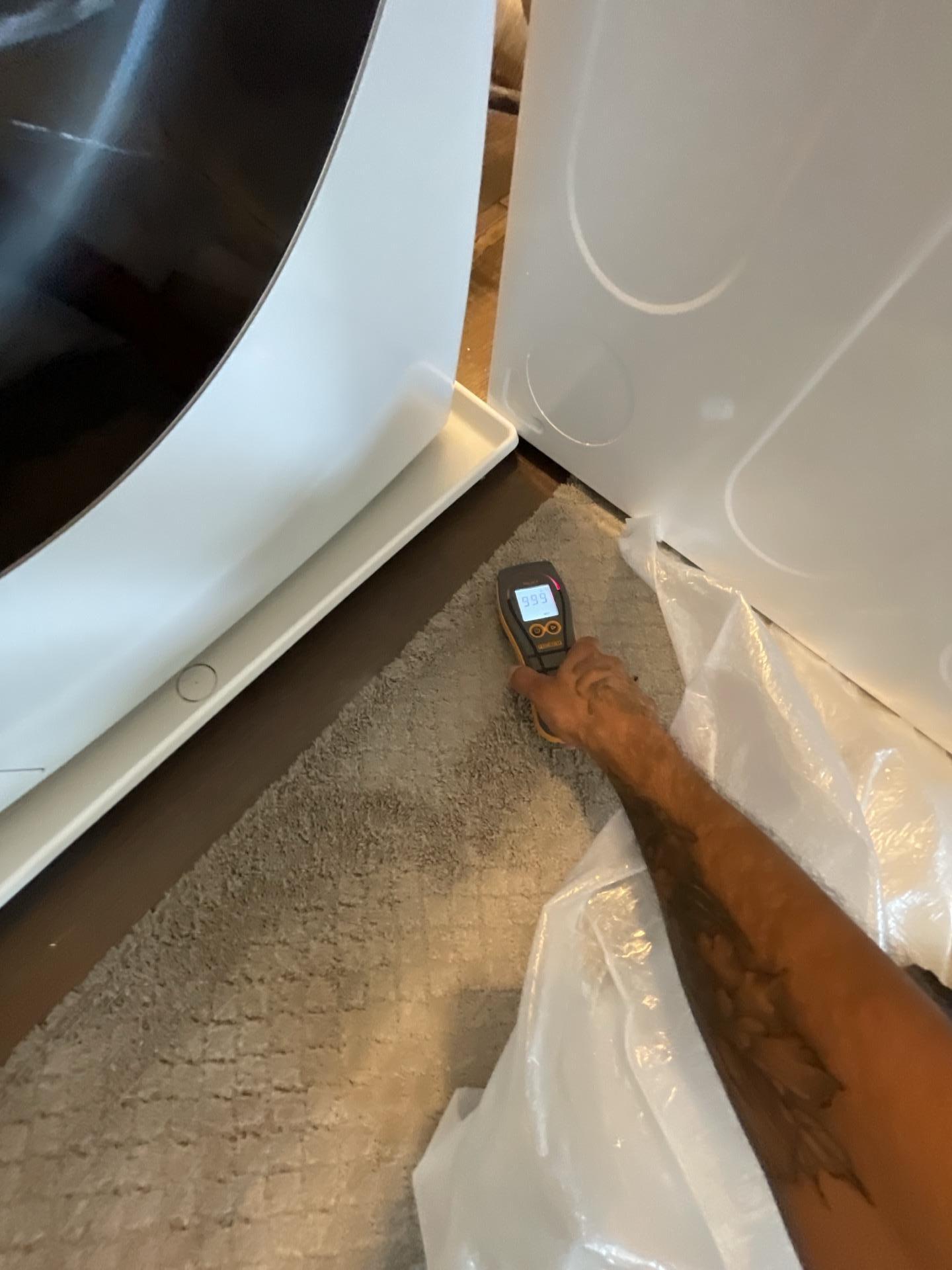
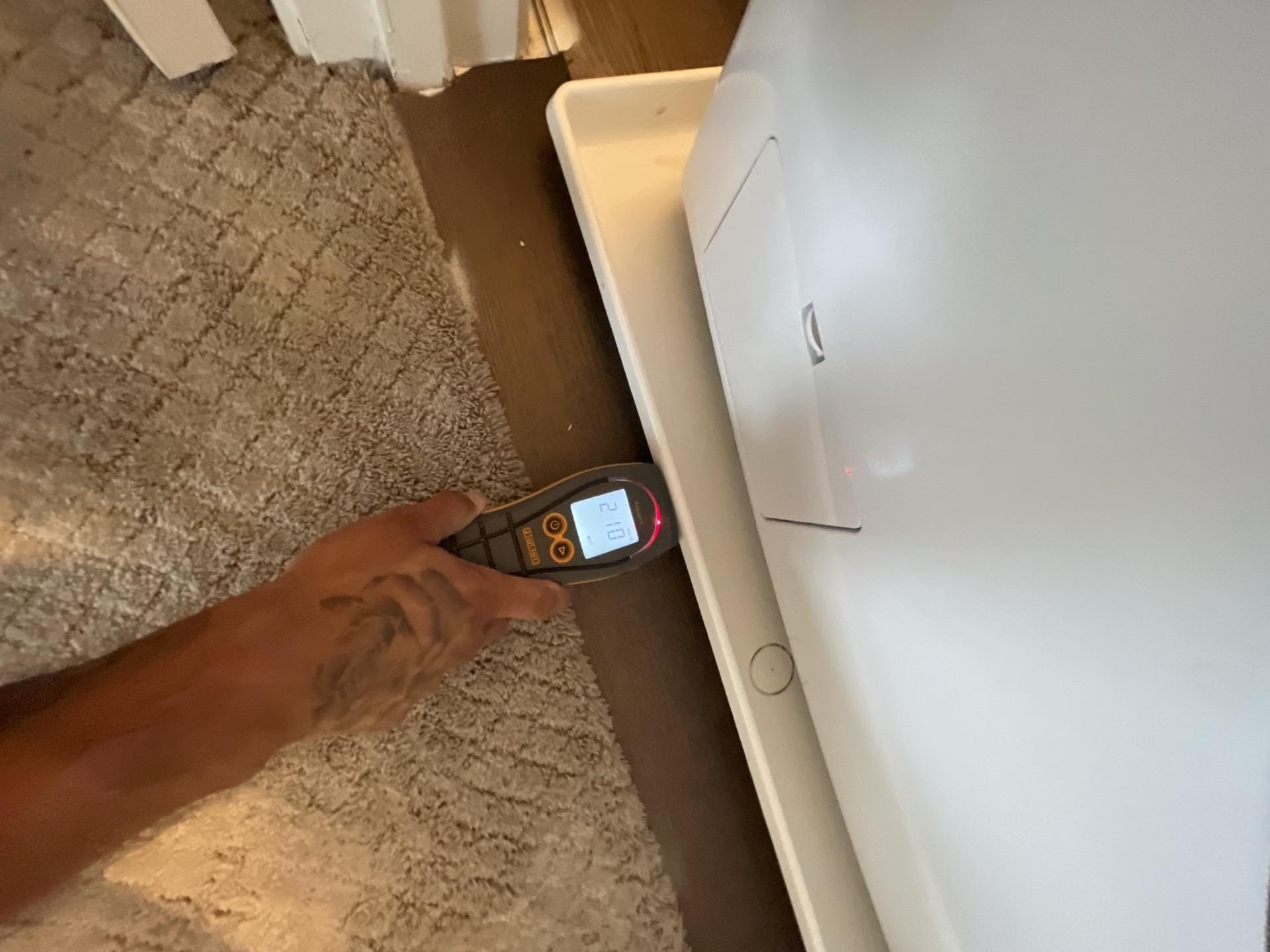
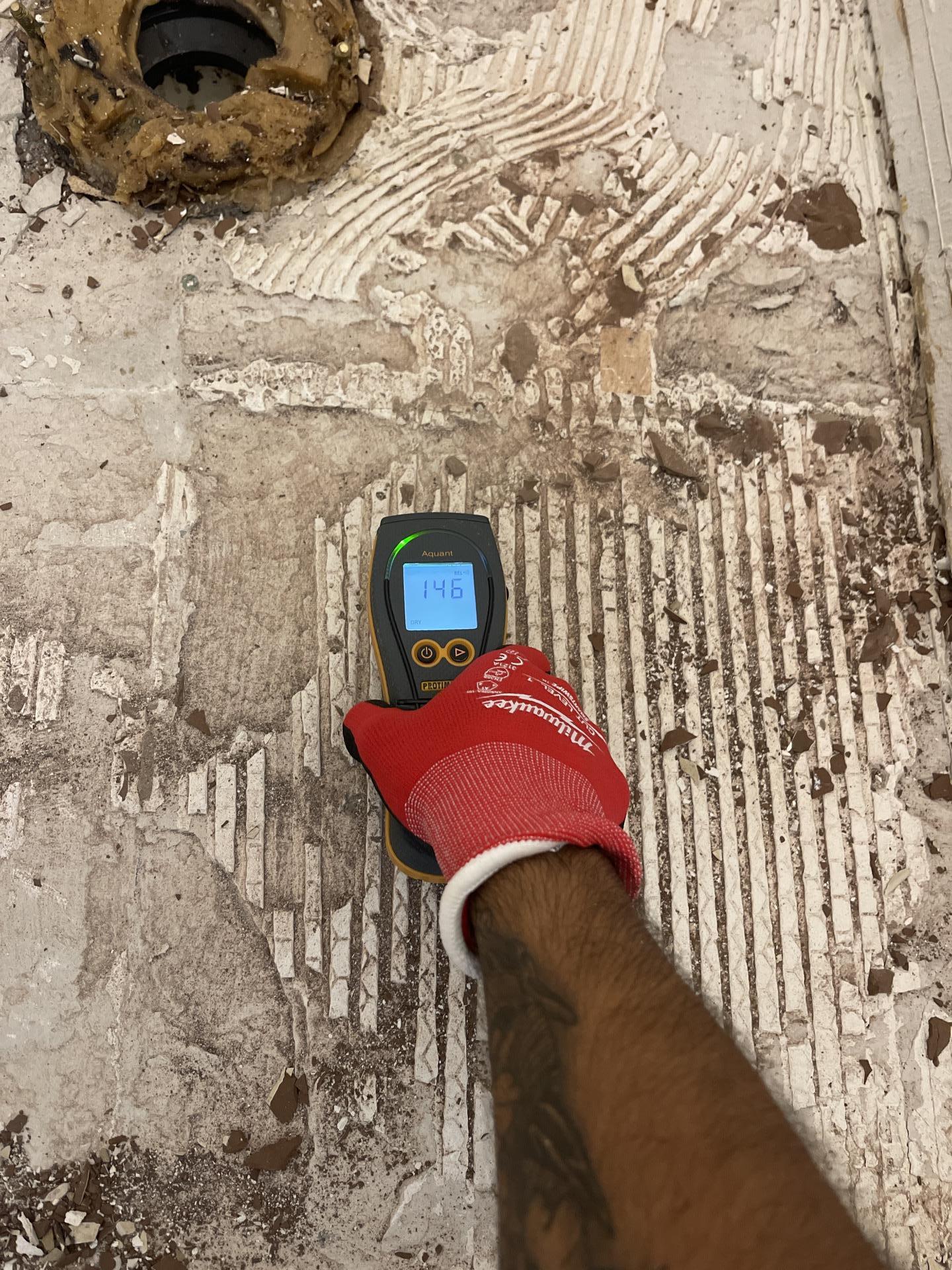
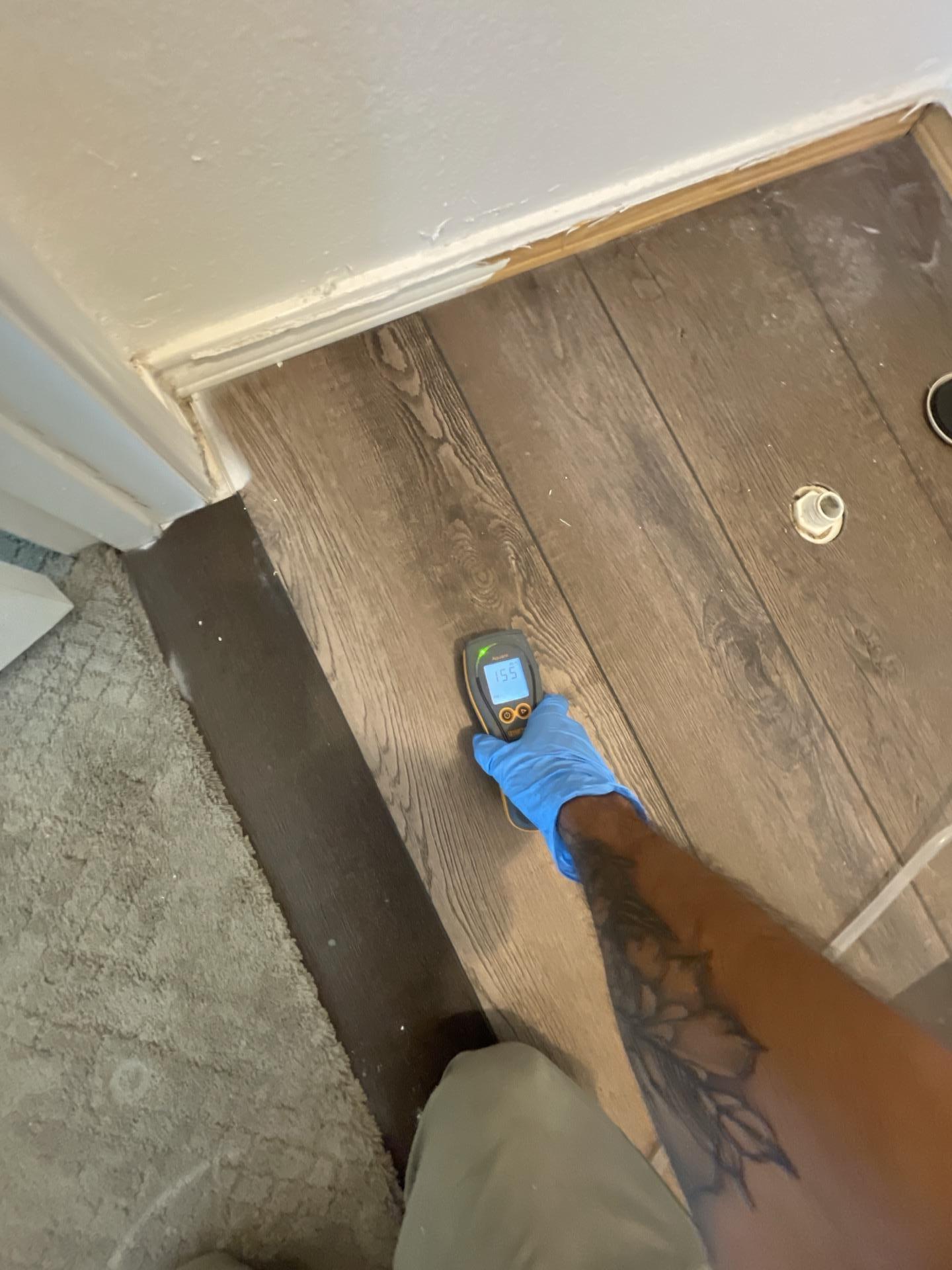
So our crew broke out the moisture meters and thermal imaging cameras. Thermal imaging shows cool, damp spots behind surfaces that look perfectly dry to the naked eye, which is a big part of why professional leak detection beats guessing. The trail led straight back to the washing machine drain line in the laundry room.
One thing worth knowing: water from a washing machine drain is considered Category 2, or gray water. It is not sewage, but it is not clean either, so it needs proper handling instead of a mop and a fan.
Here is what those first readings showed us:
What the moisture map revealed:
- The laundry room floor was saturated at the source
- Water had migrated into the nearby master bathroom
- Damp readings turned up in the hallway and upstairs family room
- Even the garage picked up moisture in the drywall
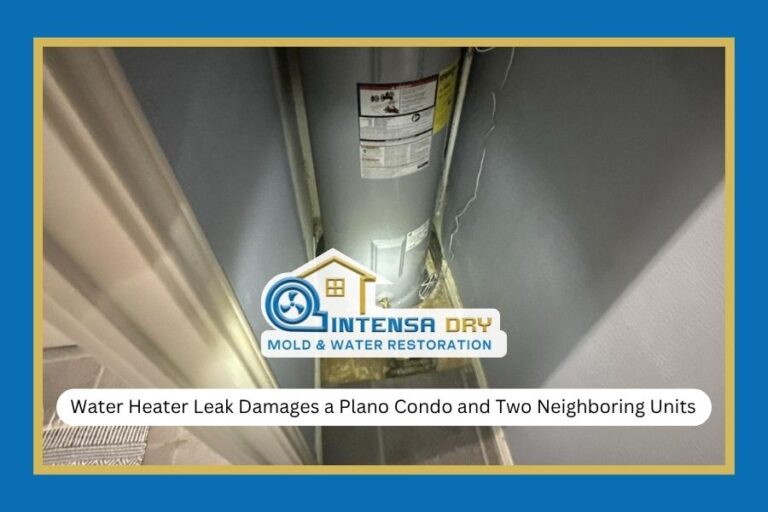
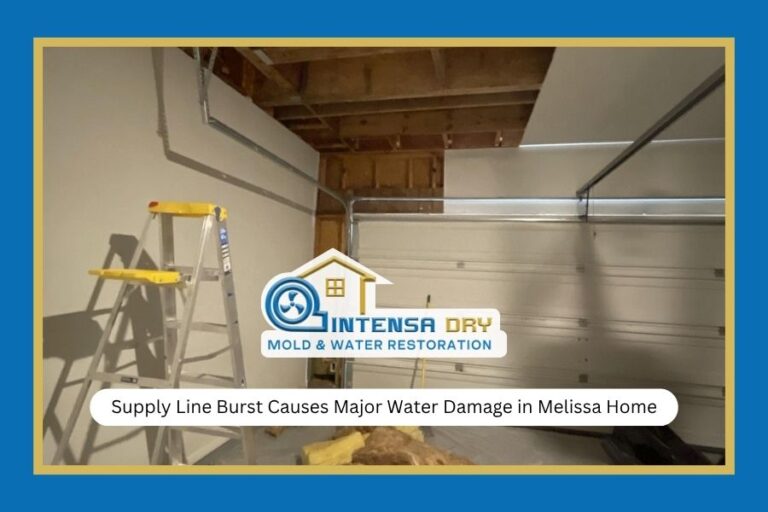
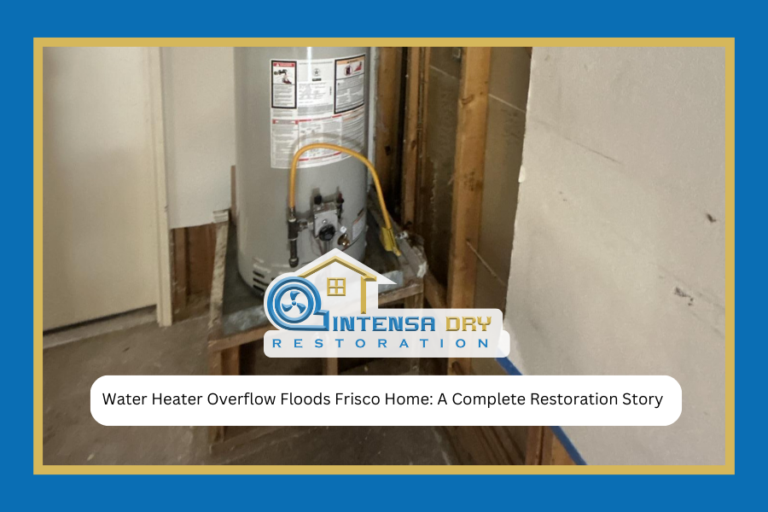
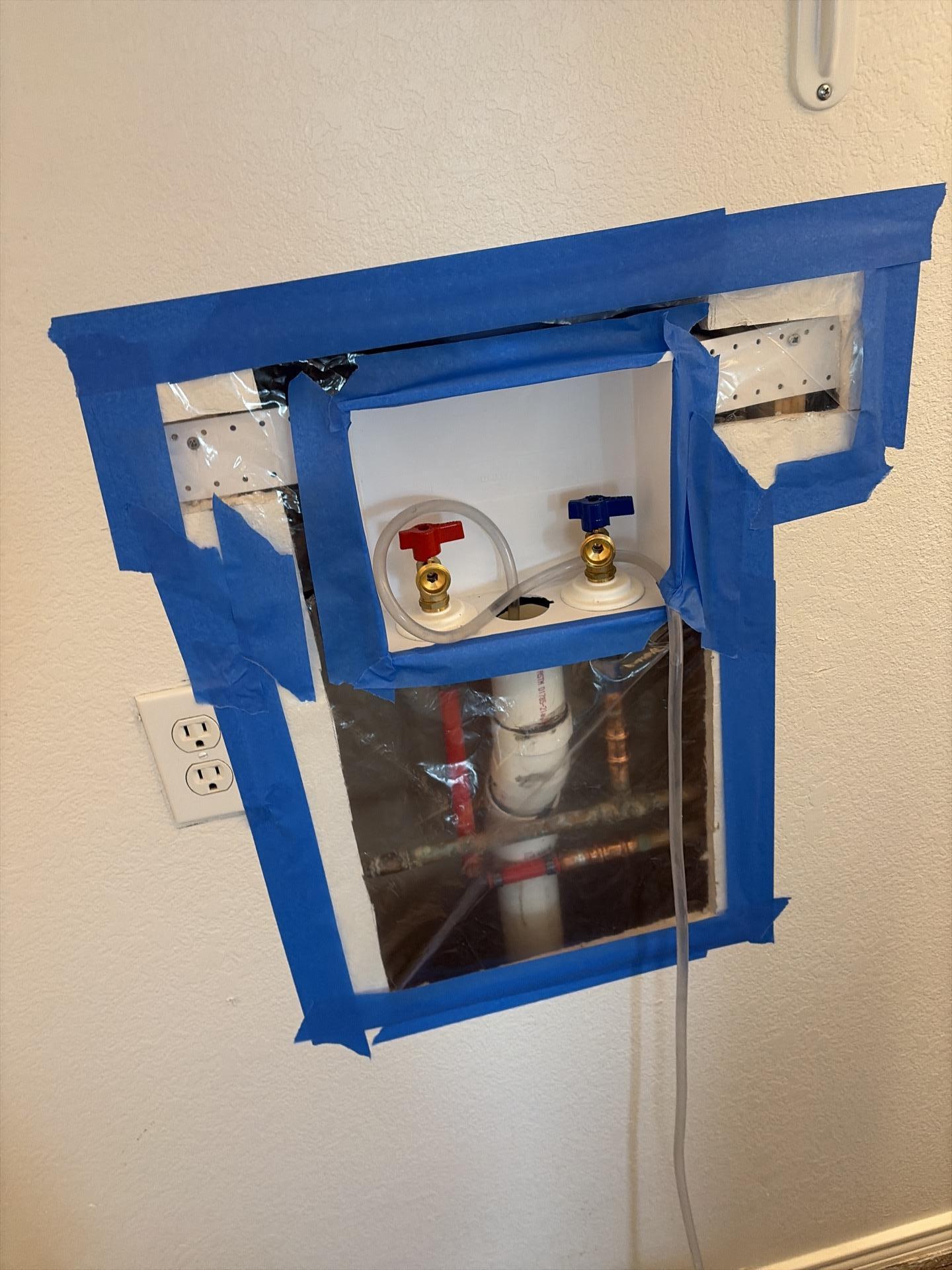
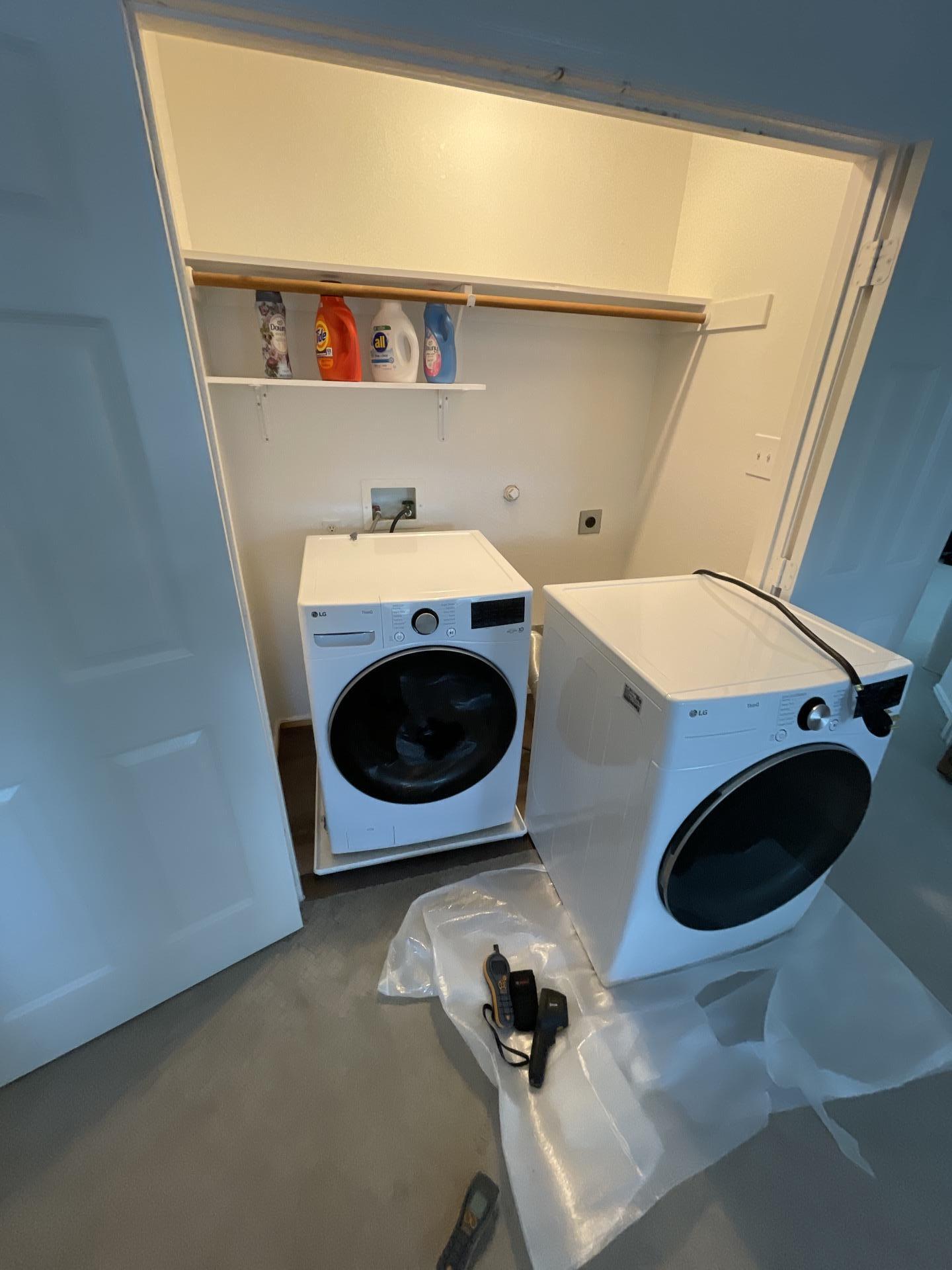
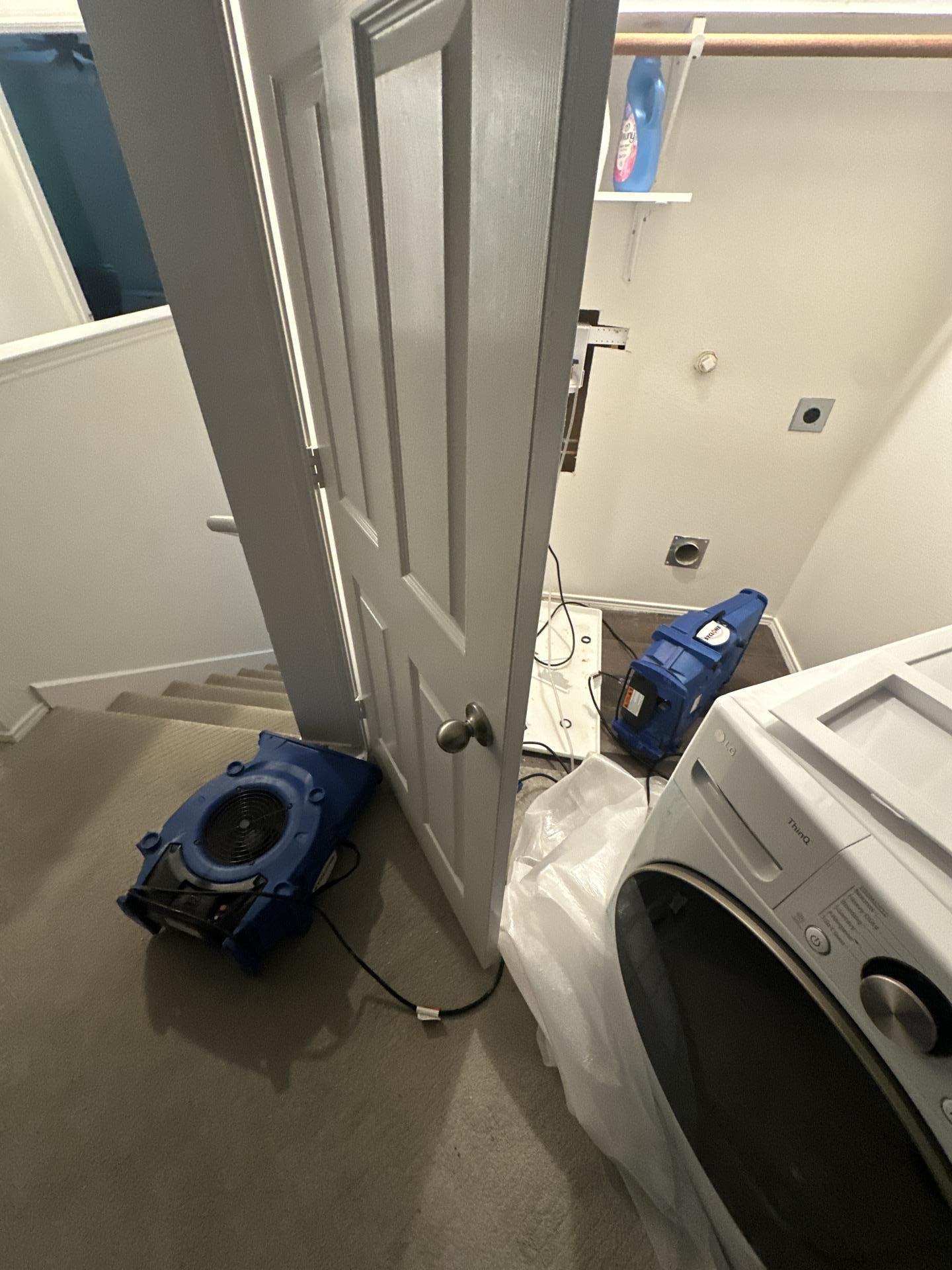
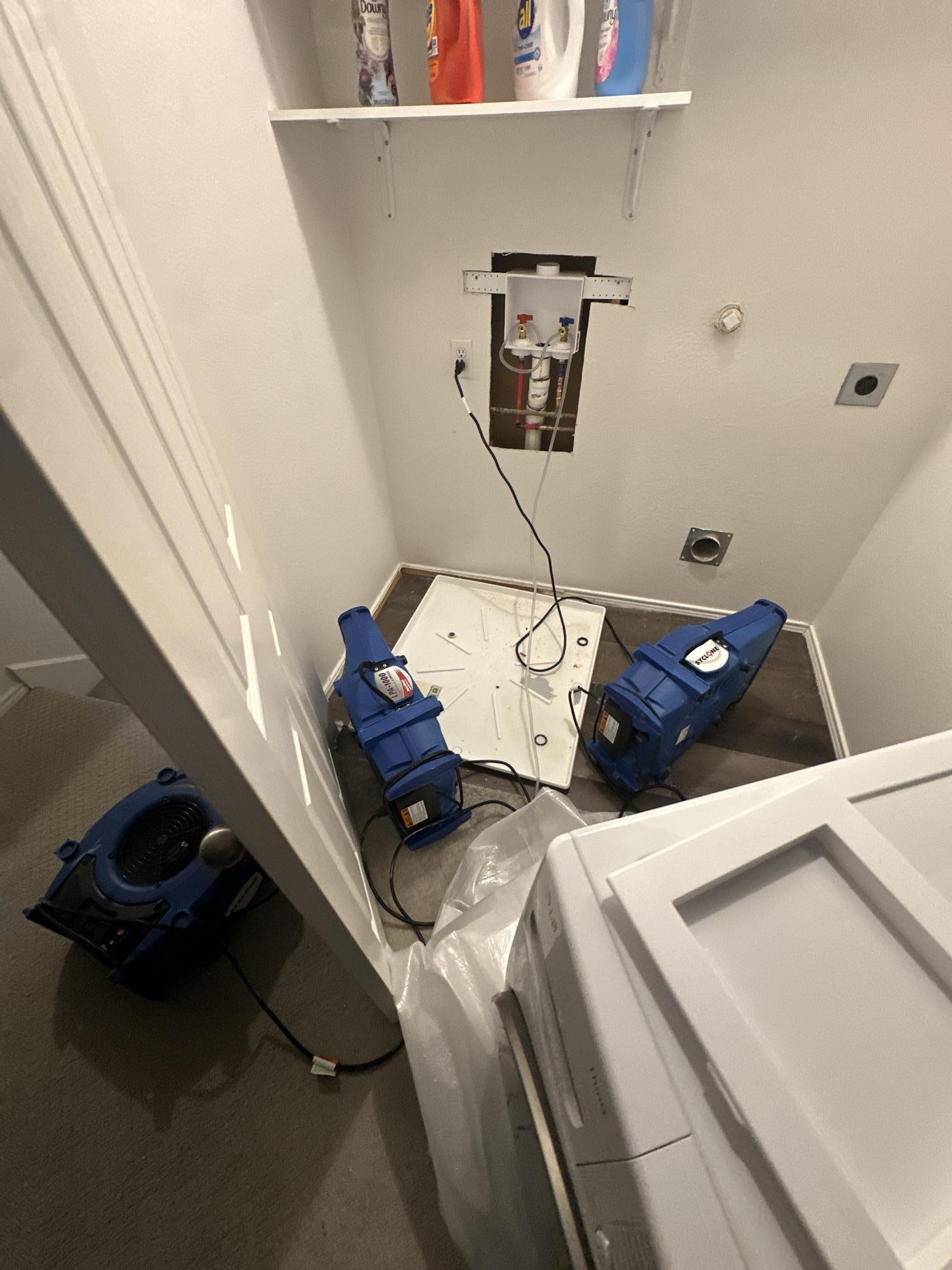
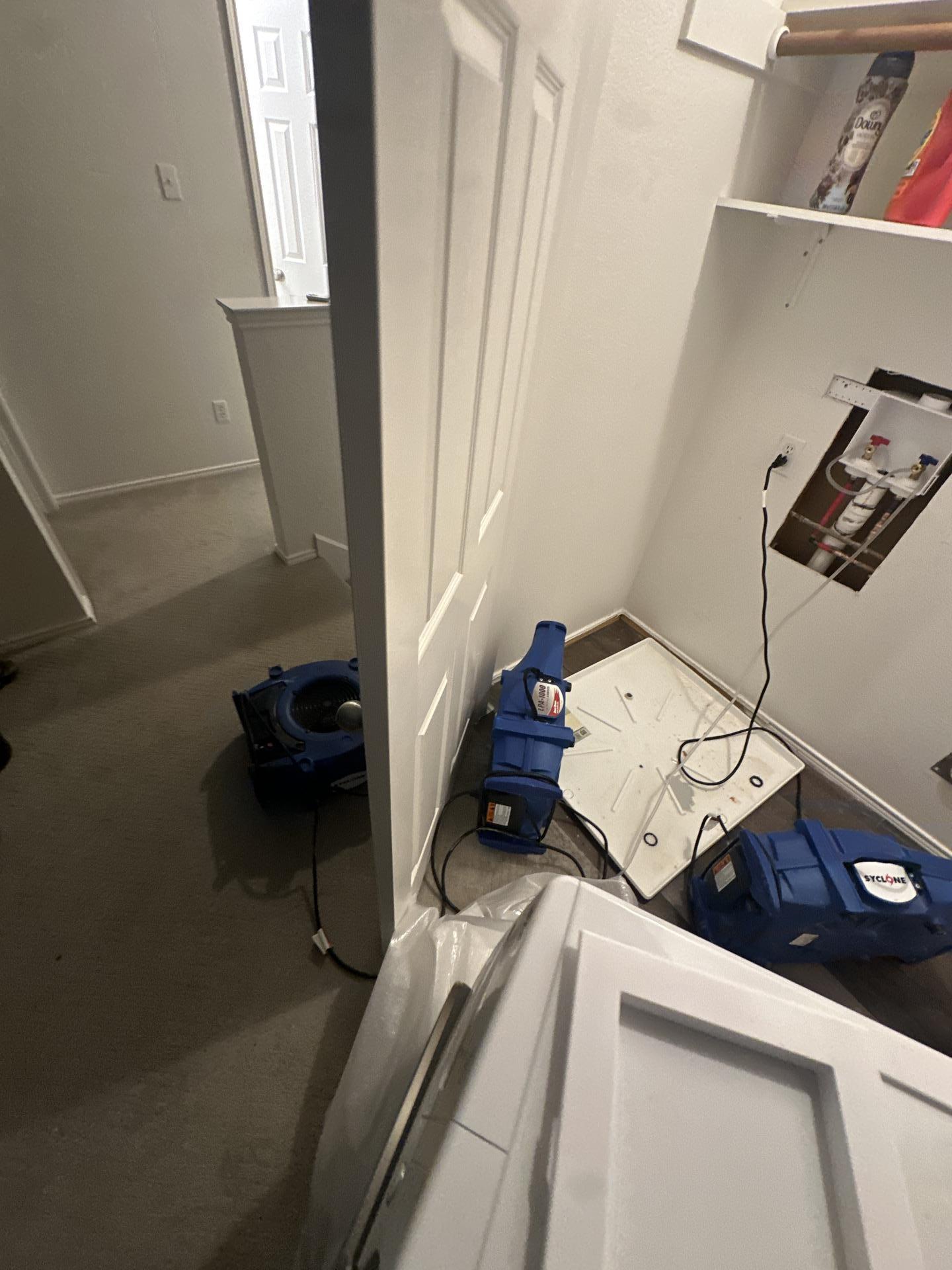
Photos below show the source of the loss and the inspection work that came first.
 |  |  |
 |  |  |
Why a Small Leak Spread Into So Many Rooms
Water does not stay put. It follows gravity, seams, and the path of least resistance, which is how a laundry room leak ends up soaking a hallway and drifting into a garage. In a two-story home like this one, that means moisture can move down and sideways before anyone spots a single drop.
That travel time is also why speed matters so much. The EPA notes that wet materials should be dried within 24 to 48 hours to head off mold growth. Wait longer and a water problem can quietly become a mold problem, which nobody wants.
Because our team responds fast, usually in under 40 minutes, we started pulling moisture out before it had a chance to settle in.
Drying the House Out the Right Way
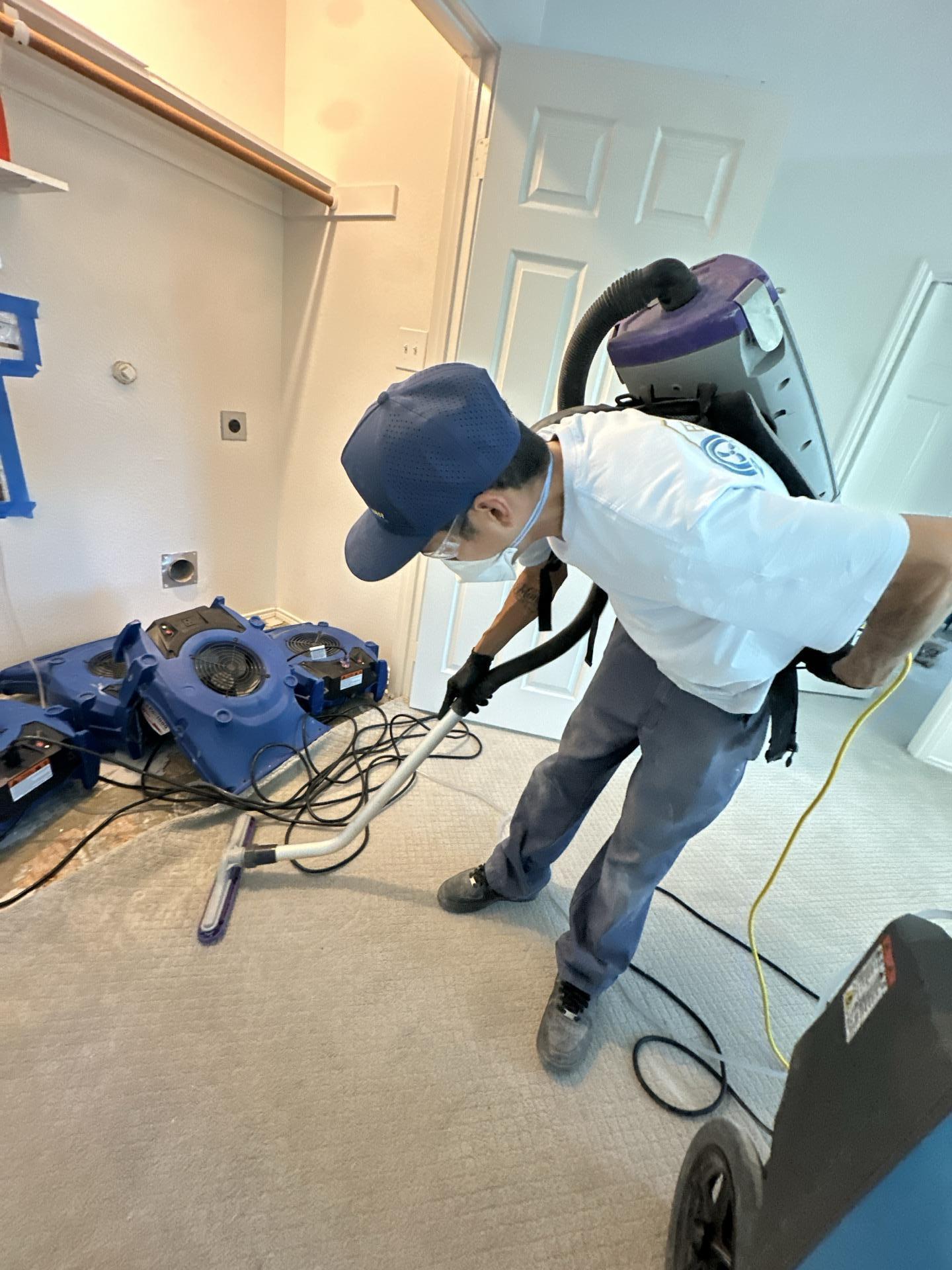
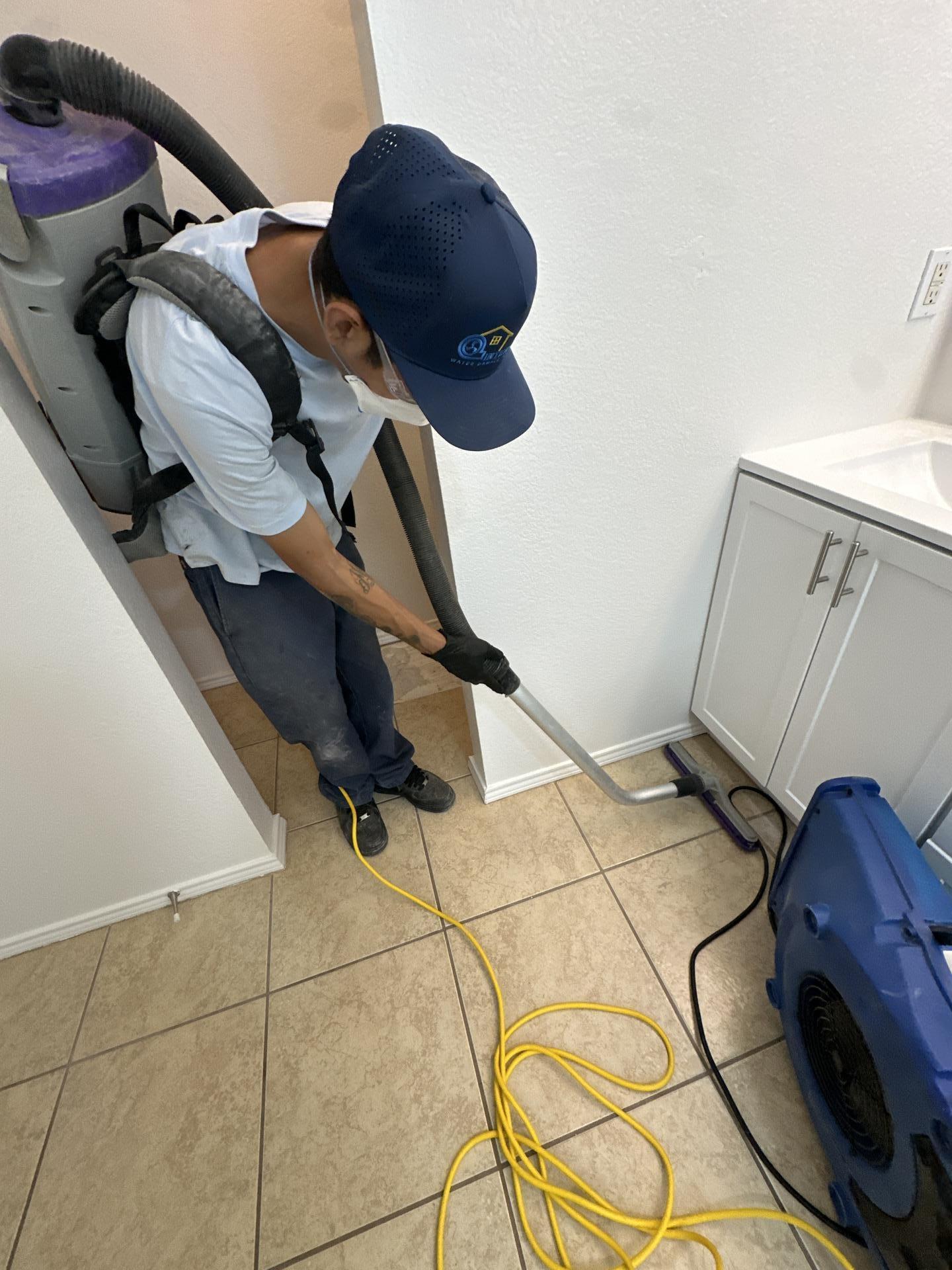
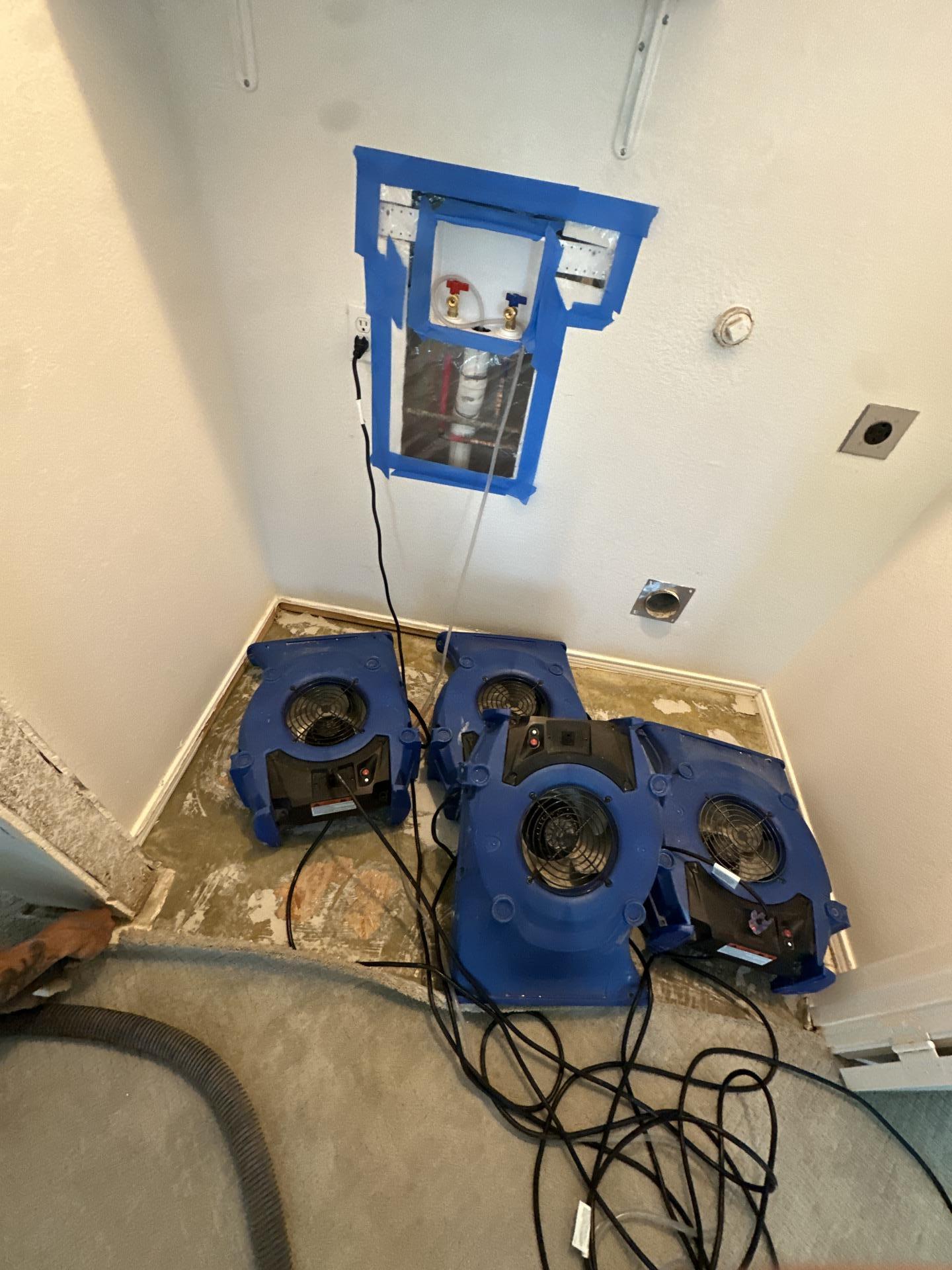
Real drying is not just aiming a couple of fans at a wet spot and calling it a day. It is a controlled process that hits every affected room and gets checked daily until the numbers say the structure is truly dry.
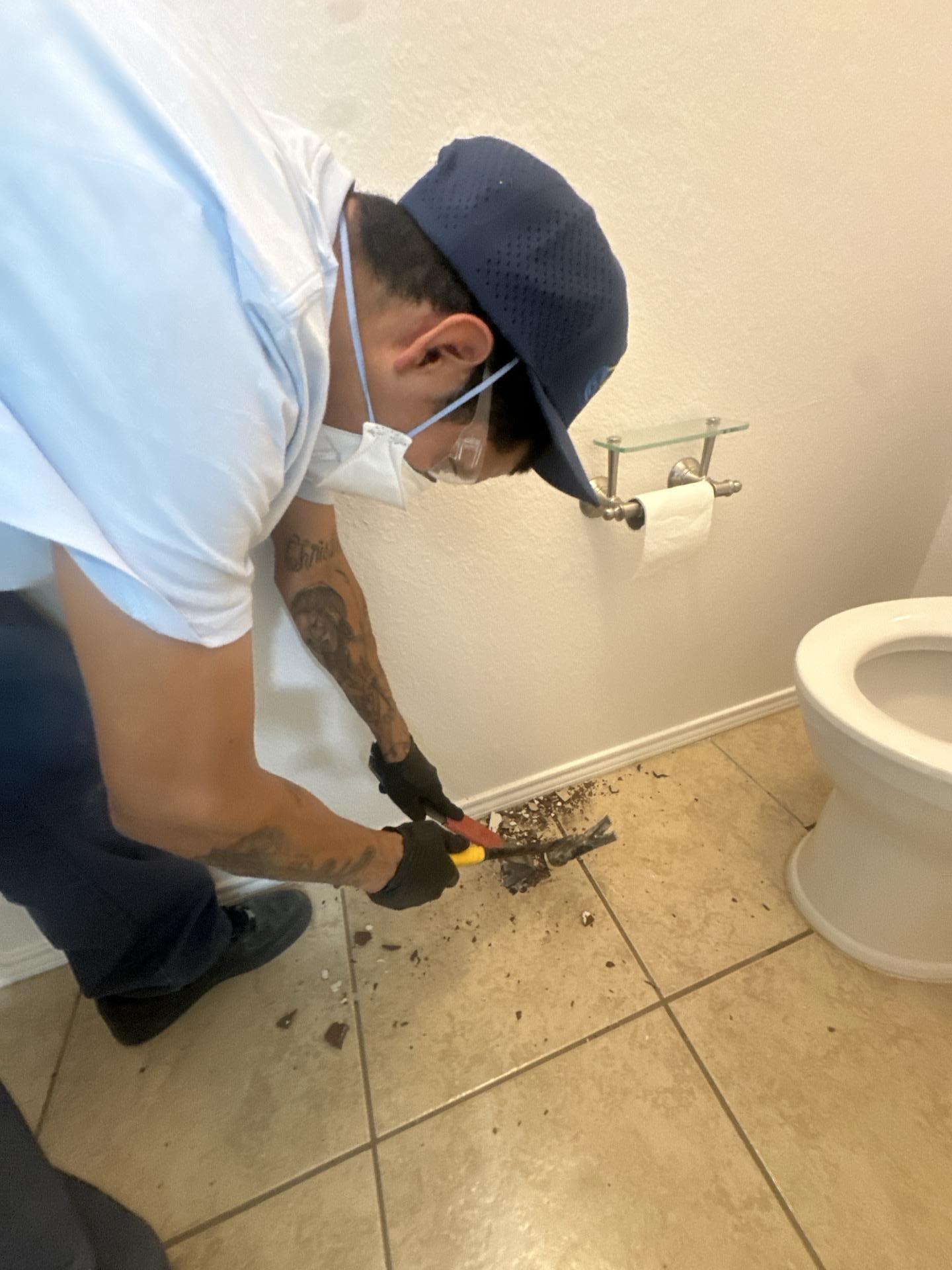
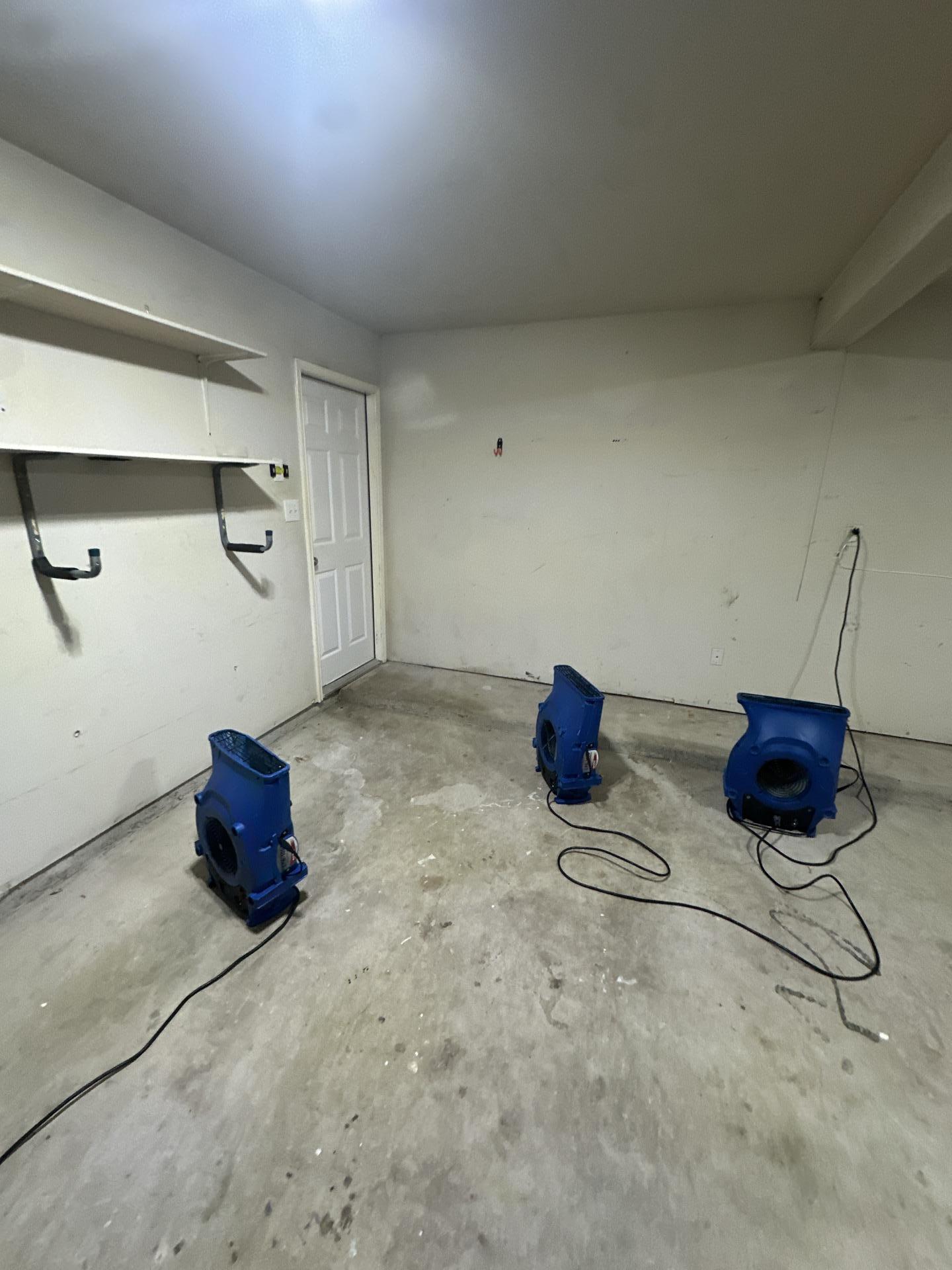
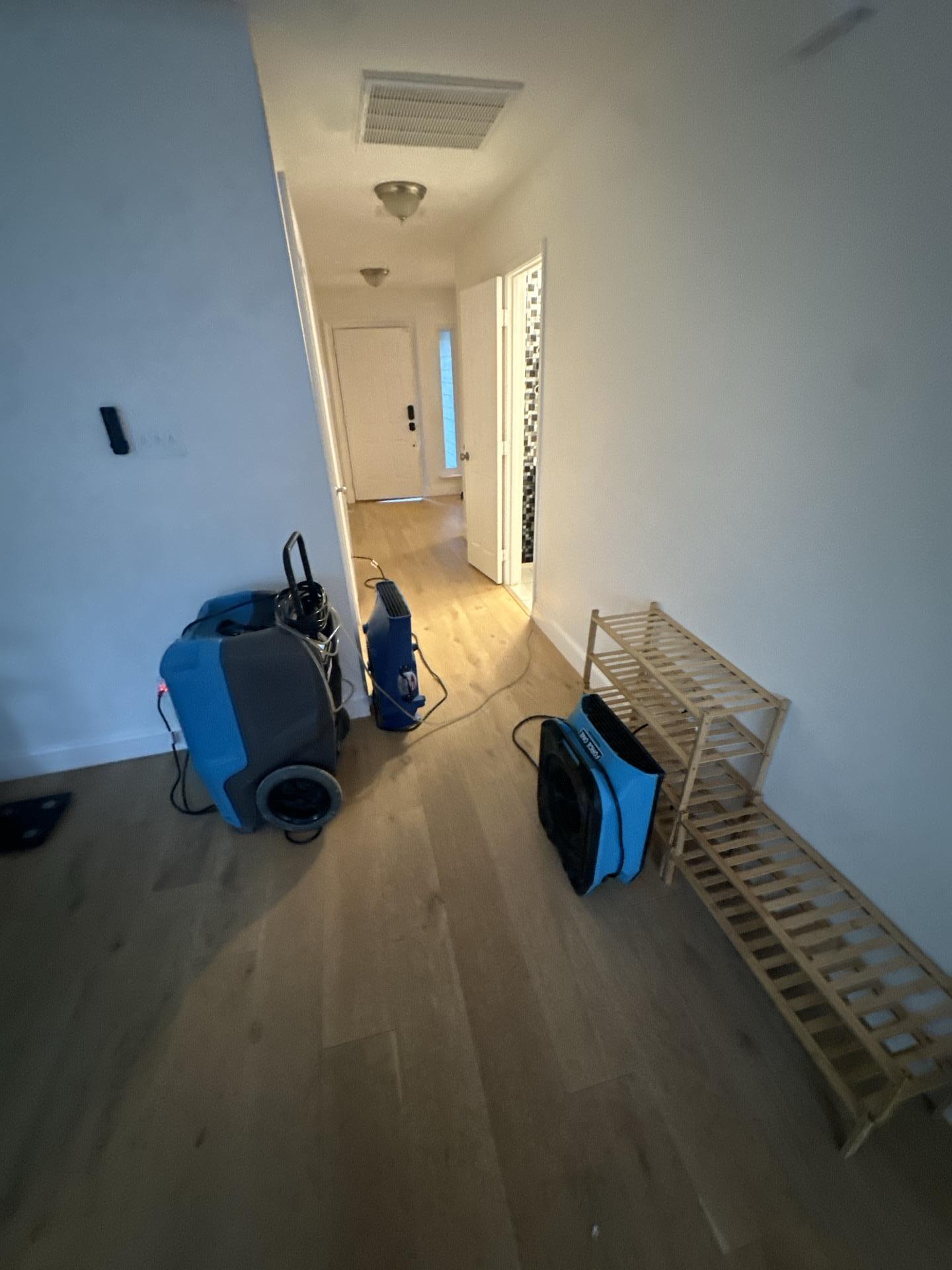
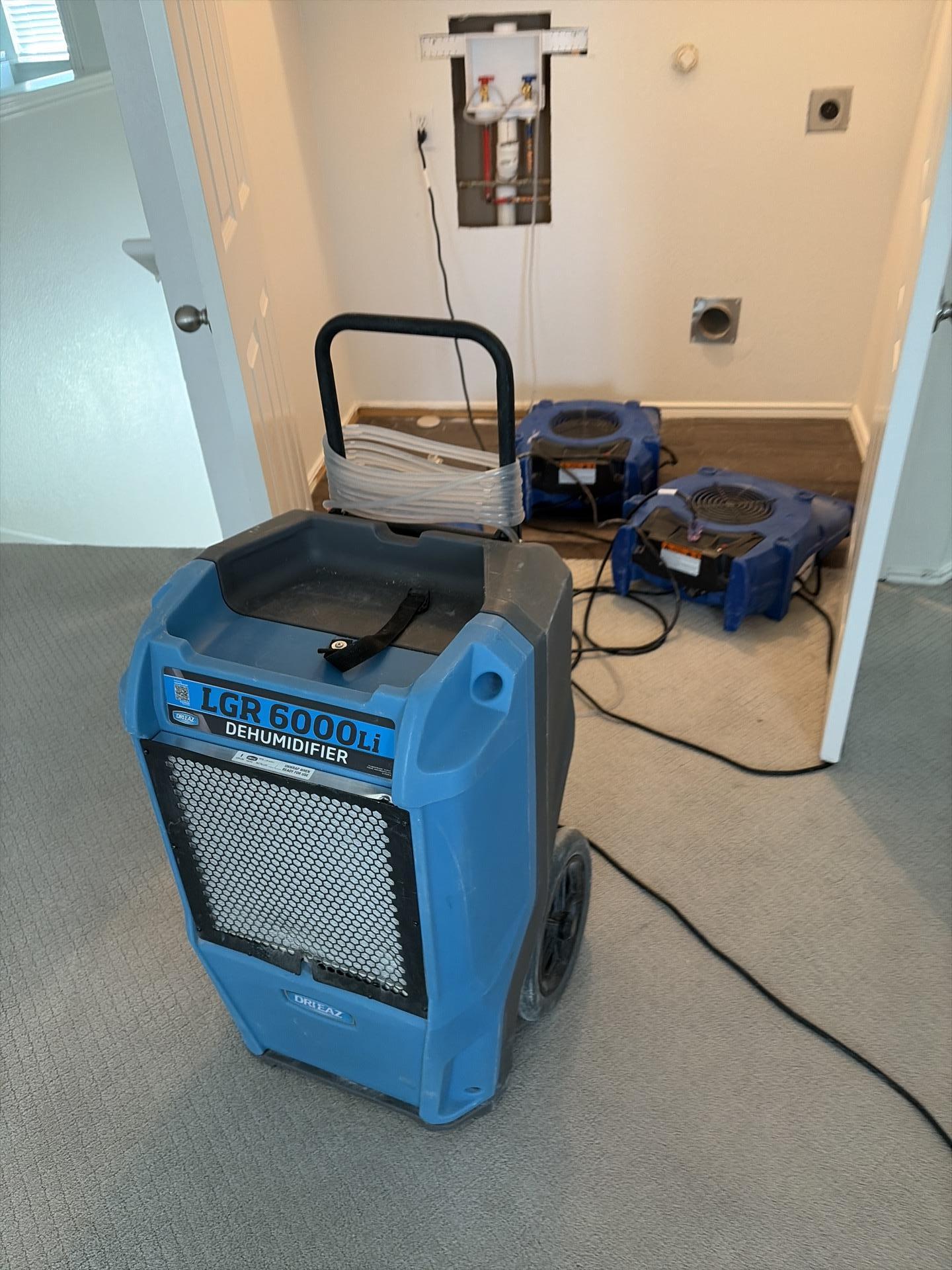
Our crew set up drying equipment across the laundry room, master bathroom, hallway, upstairs family room, and garage. Air movers kept air circulating, dehumidifiers pulled the moisture out, and a low profile floor dryer worked on the trickier spots. We also removed the flooring materials that were too far gone to save.
Every day, technicians took fresh moisture readings and compared them against dry standards, following IICRC S500 guidelines for water restoration. HEPA vacuuming cleaned up the affected areas along the way.
 |  |  |
 |  |  |
 |  |  |
Rebuilding the Rooms Back to Normal
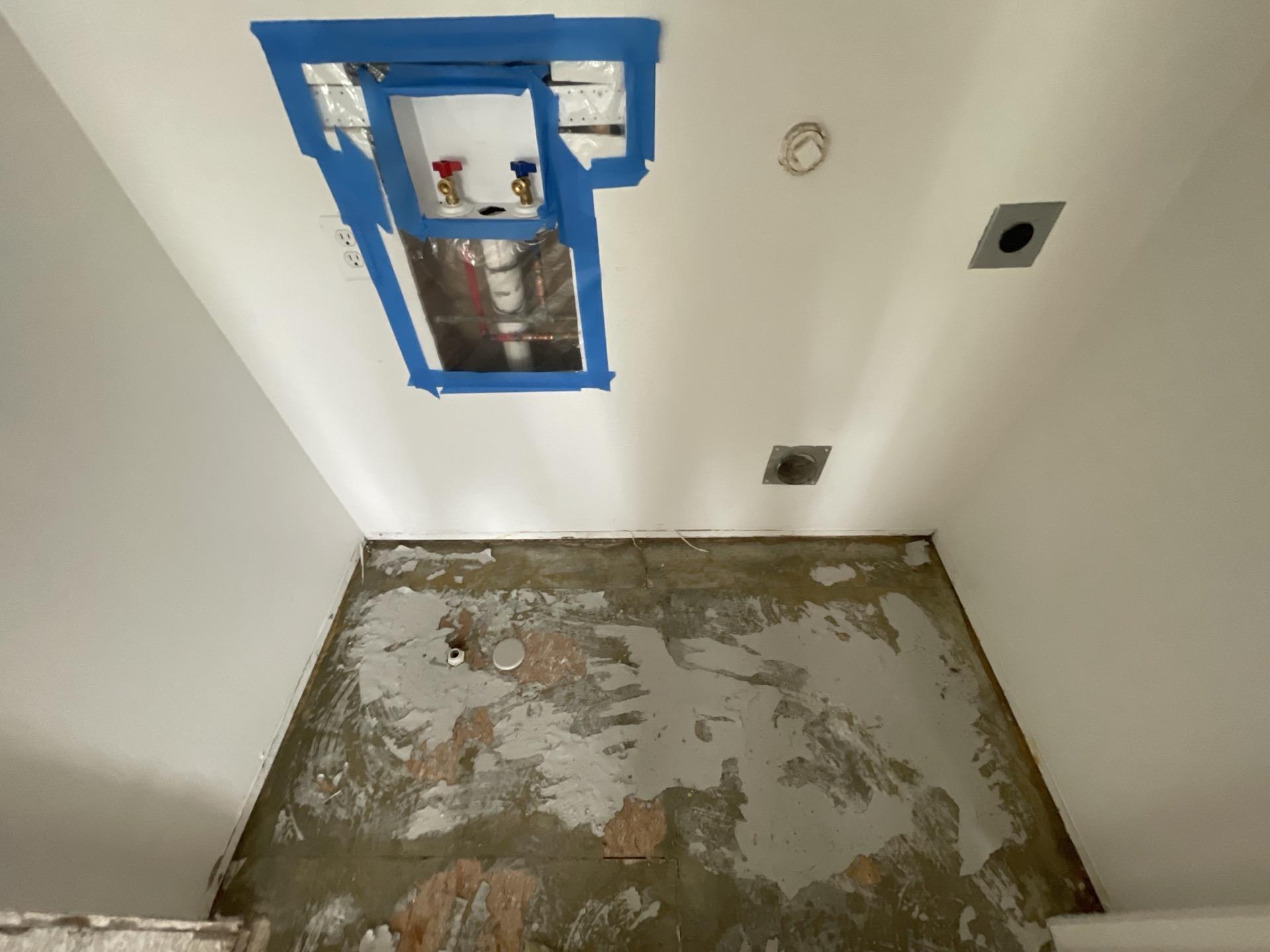
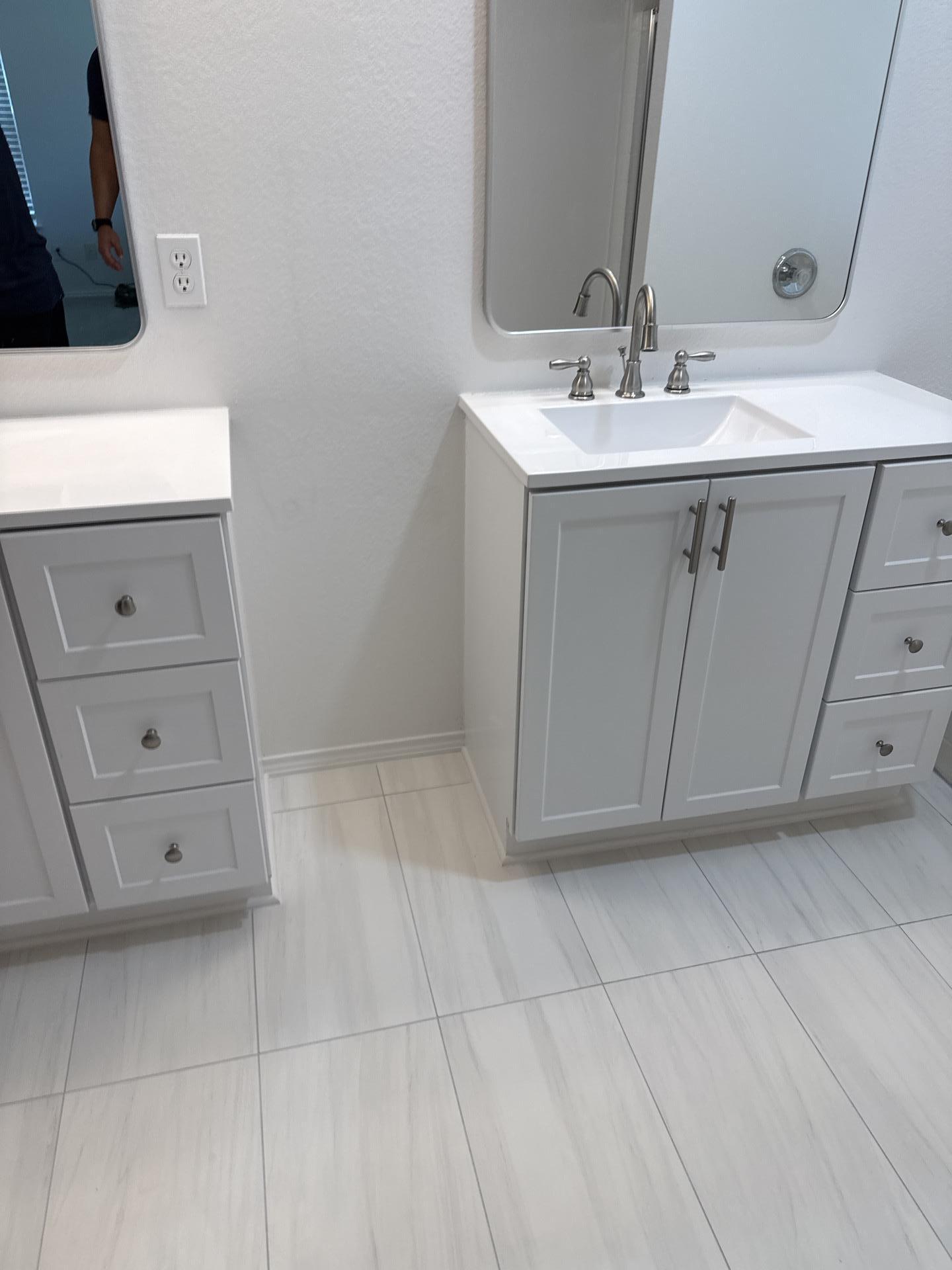
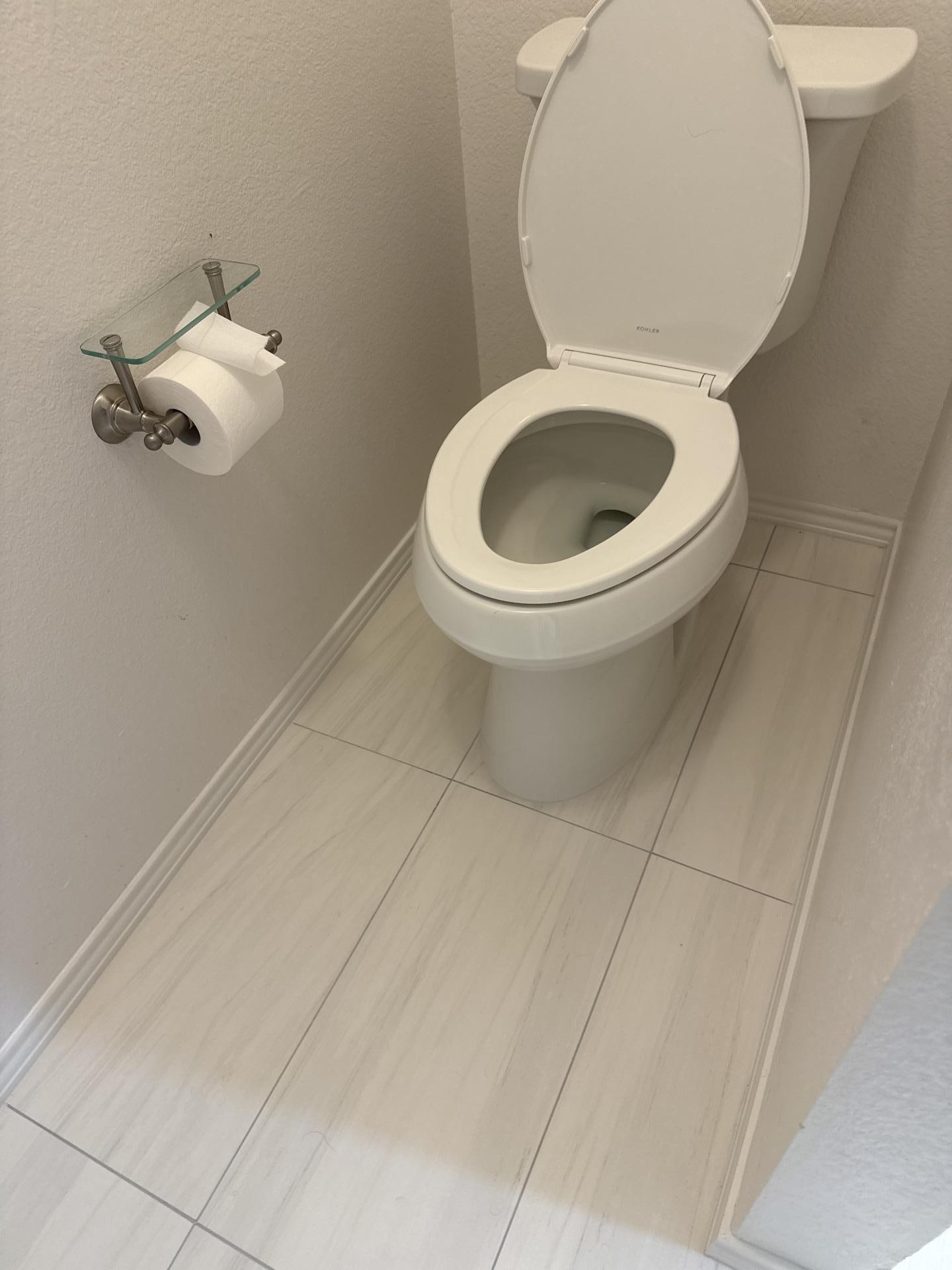
Drying a home is only half the job. Once the structure was dry and clean, the family still had missing flooring and open walls to deal with. So we handled the rebuild too, which meant they never had to hunt down a separate contractor to finish the work.
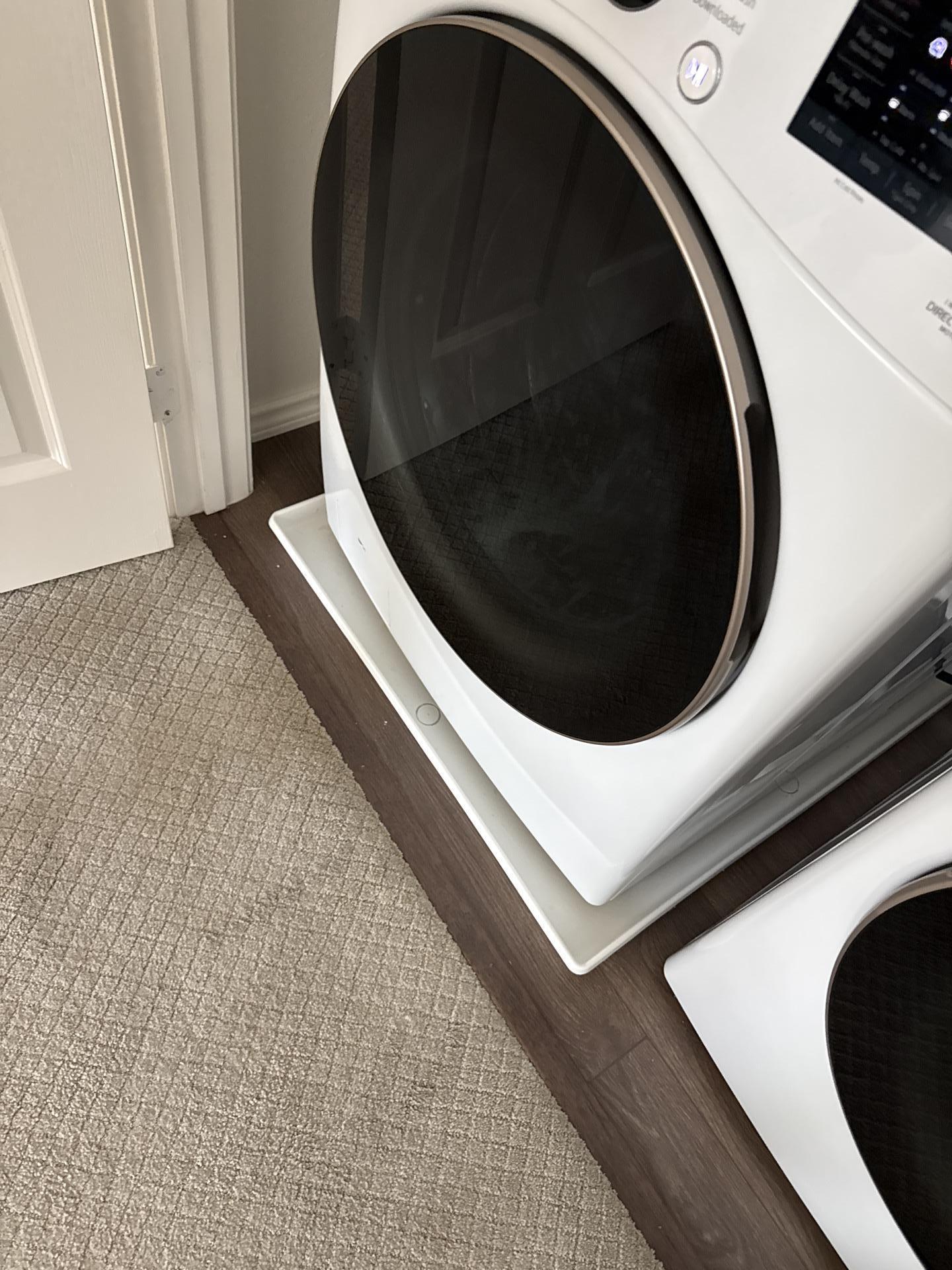
Our reconstruction services put the affected rooms back together, from new flooring in the laundry room to a finished master bathroom that looks like the leak never happened. Luis, our lead technician on this project, kept the homeowner in the loop the whole way, walking them through each step so there were no surprises. You can see more of our reconstruction work across McKinney if you want a sense of how we finish these jobs.
The last photos show the home drying out room by room and coming back together in the end.
 |  |  |
 |  |  |
What the Homeowner Thought
The best part of a job like this is a family that feels taken care of from the first call to the final walkthrough. This homeowner left us a glowing review, and it meant a lot to the crew, Luis especially.
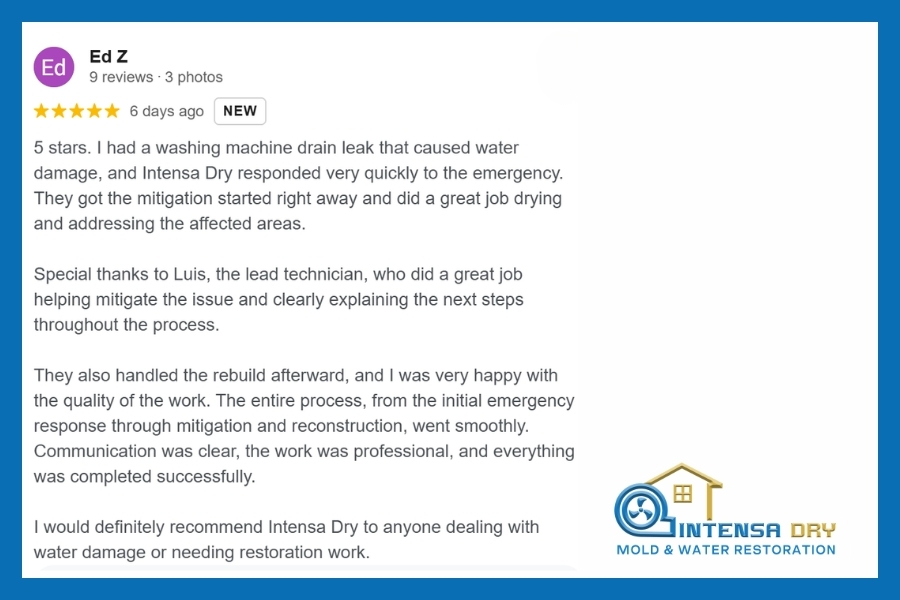
Stories like this are why we do this. Want more? Take a look at our recent jobs around the area.
Dealing With Water Damage in McKinney? We Can Help
A leak does not wait, and neither do we. Our locally owned, family run team offers 24/7 emergency response with free inspections, and we handle both the mitigation and the rebuild so you only deal with one crew. If you are facing water damage in McKinney or anywhere across the DFW MetroPlex, we are ready to jump in.
Call anytime: (972) 992-7331
Frequently Asked Questions
How fast should water damage be cleaned up?
As fast as possible. Wet materials should be dried within 24 to 48 hours to reduce the risk of mold. Our team typically responds in under 40 minutes so drying can start right away.
Is washing machine leak water dangerous?
Washing machine drain water is Category 2, or gray water. It is not sewage, but it carries contaminants, so it should be handled by professionals rather than mopped up and left to air dry.
Do you handle the rebuild after drying?
Yes. We take care of both the water mitigation and the reconstruction, from new flooring to finished walls, so you do not have to line up a separate contractor to put your home back together.