Project Details
- Completed: May 5, 2026
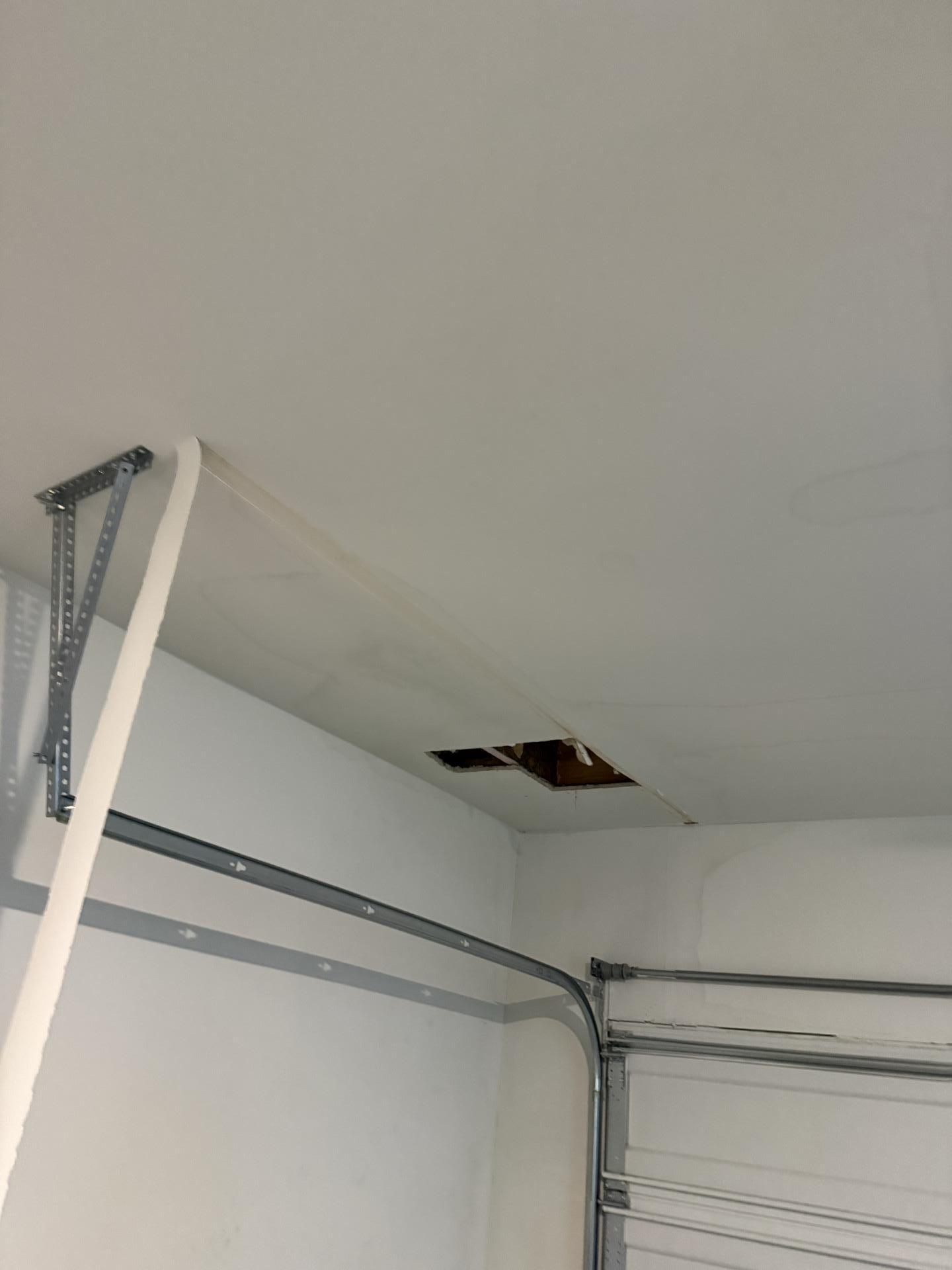
A frantic call came in from a homeowner in Melissa, TX. Water was dripping from their garage ceiling, and nobody knew where it was coming from. Our Intensa Dry Mold & Water Restoration Mold & Water Restoration crew jumped into action, arriving on scene to find a water damage restoration situation that had spread across two floors. What started as a mystery leak turned out to be a construction defect hiding in plain sight for who knows how long.
What Caused the Damage
Here is what we discovered: during the original construction, a nail was driven directly through the bathroom supply line. It happens more often than you would think. The nail created a slow weak point that finally gave way, sending water flooding through the upstairs bathroom and down into the garage below.
Damage Assessment
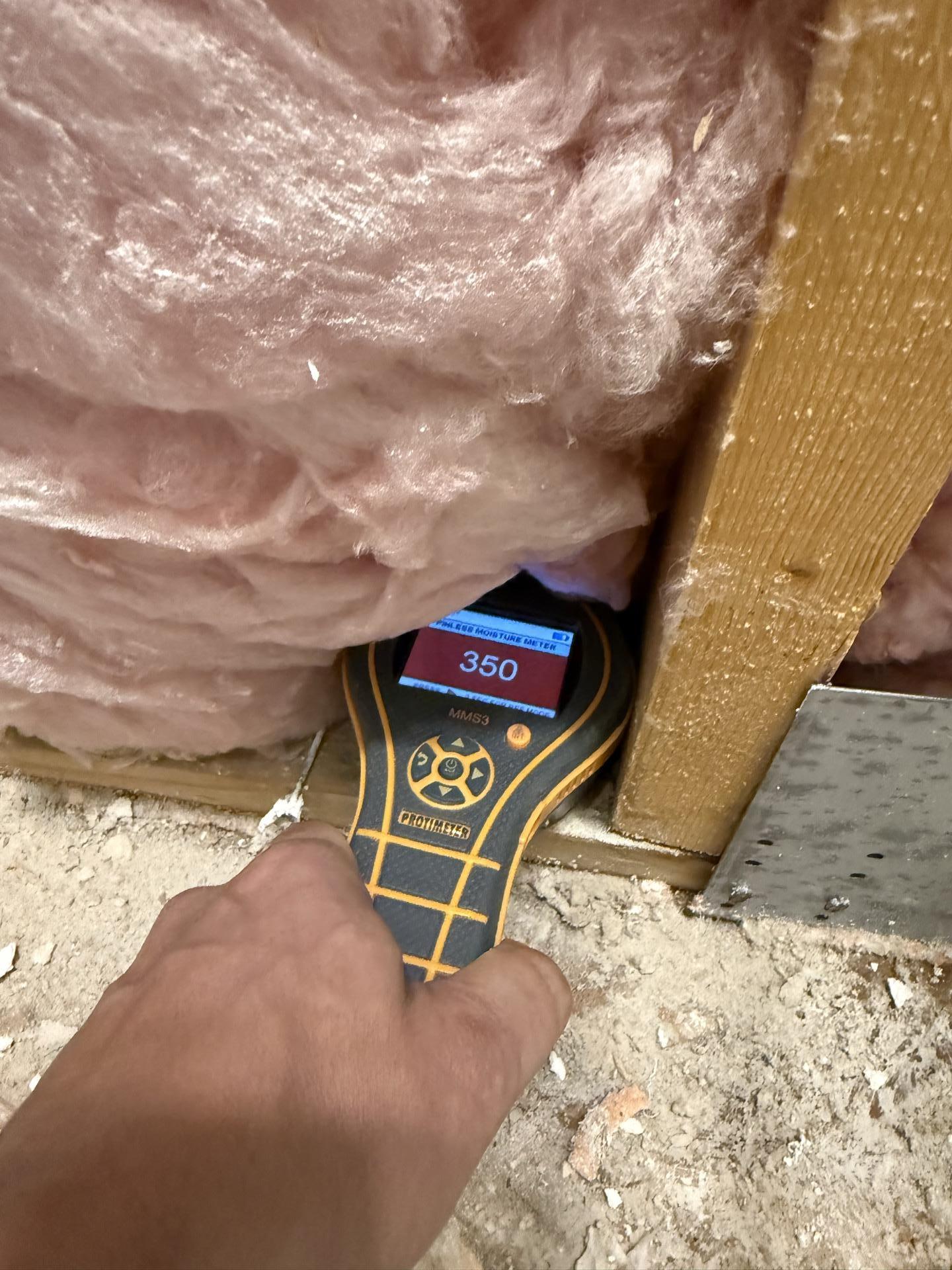
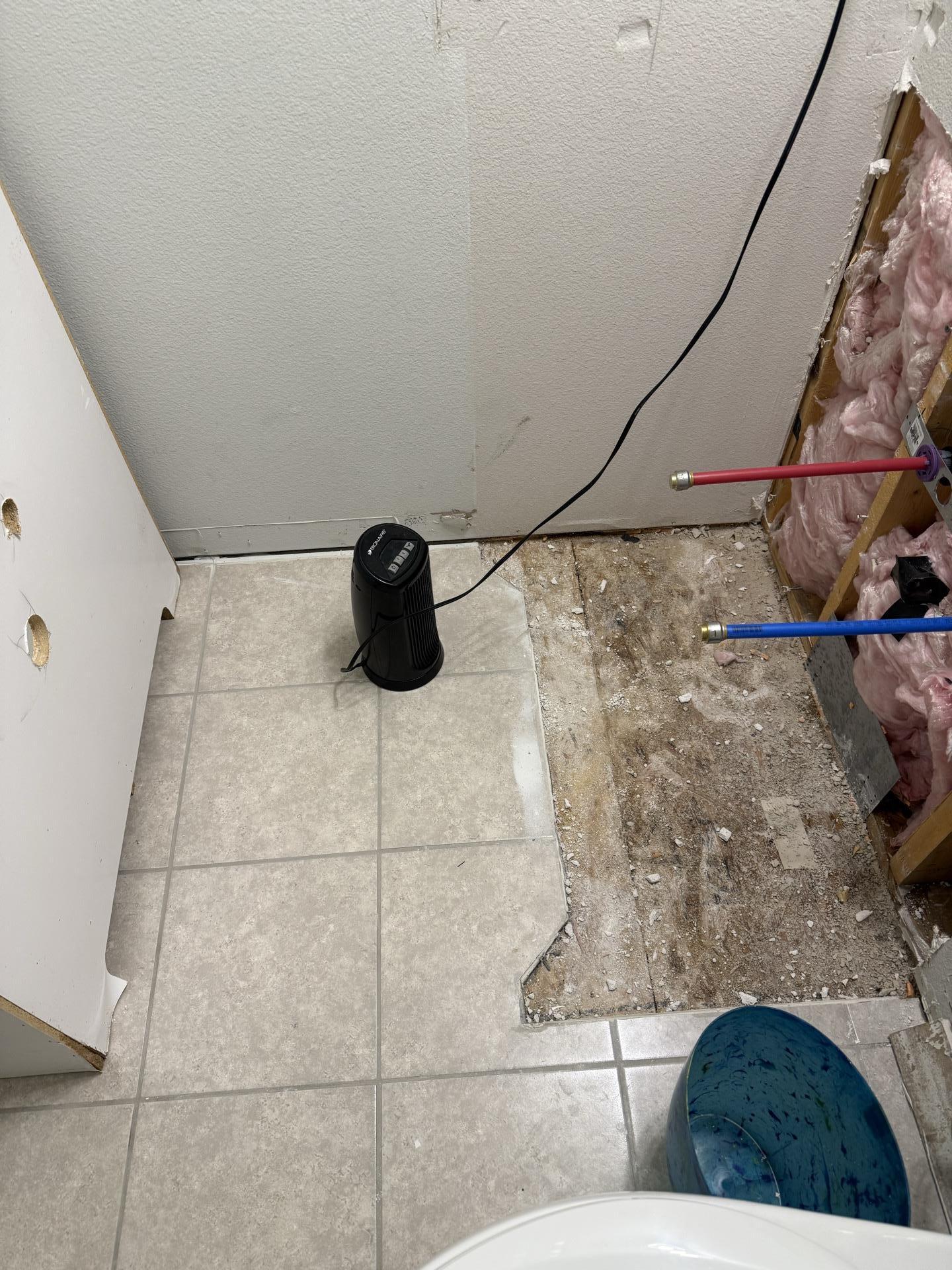
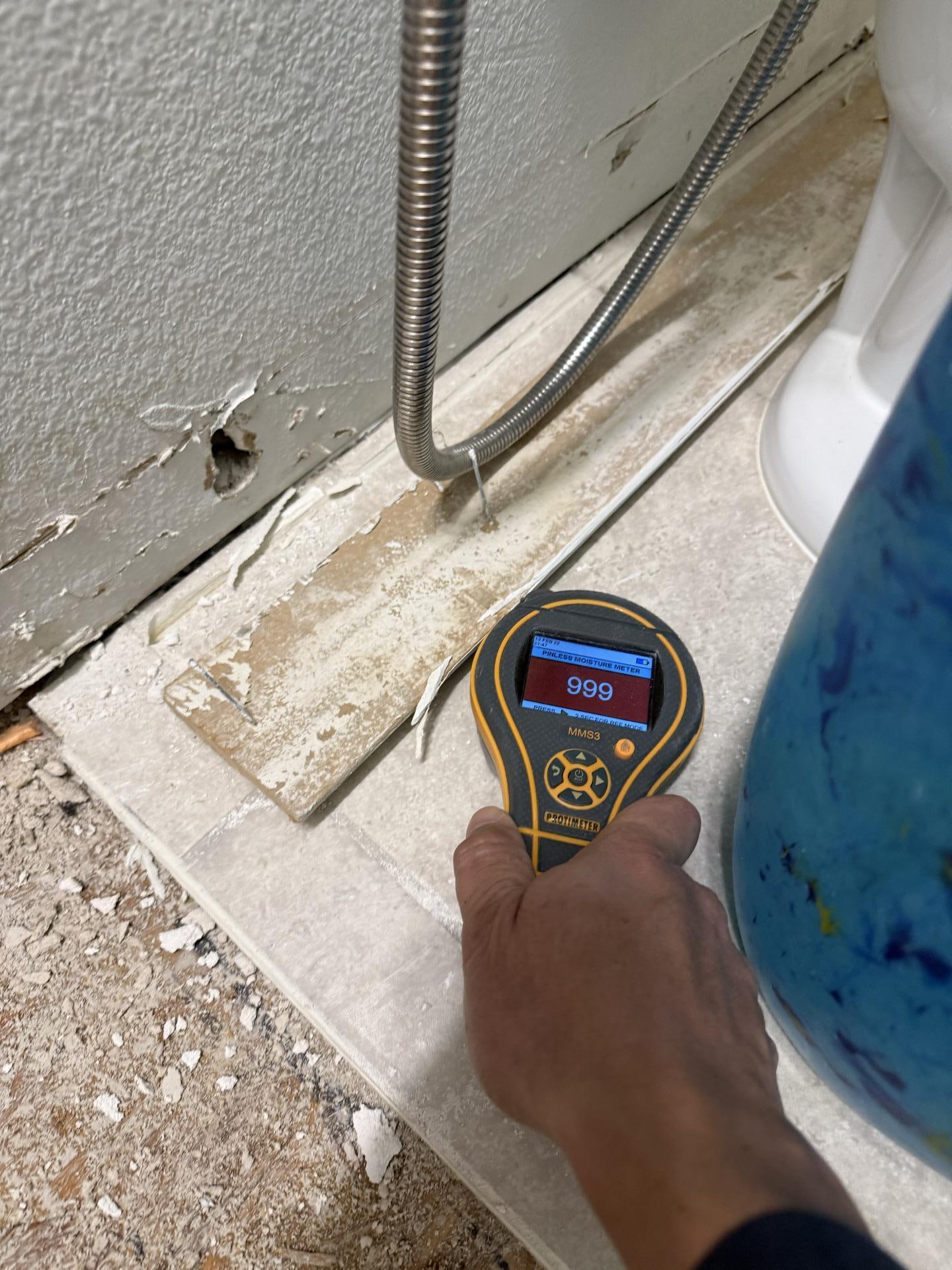
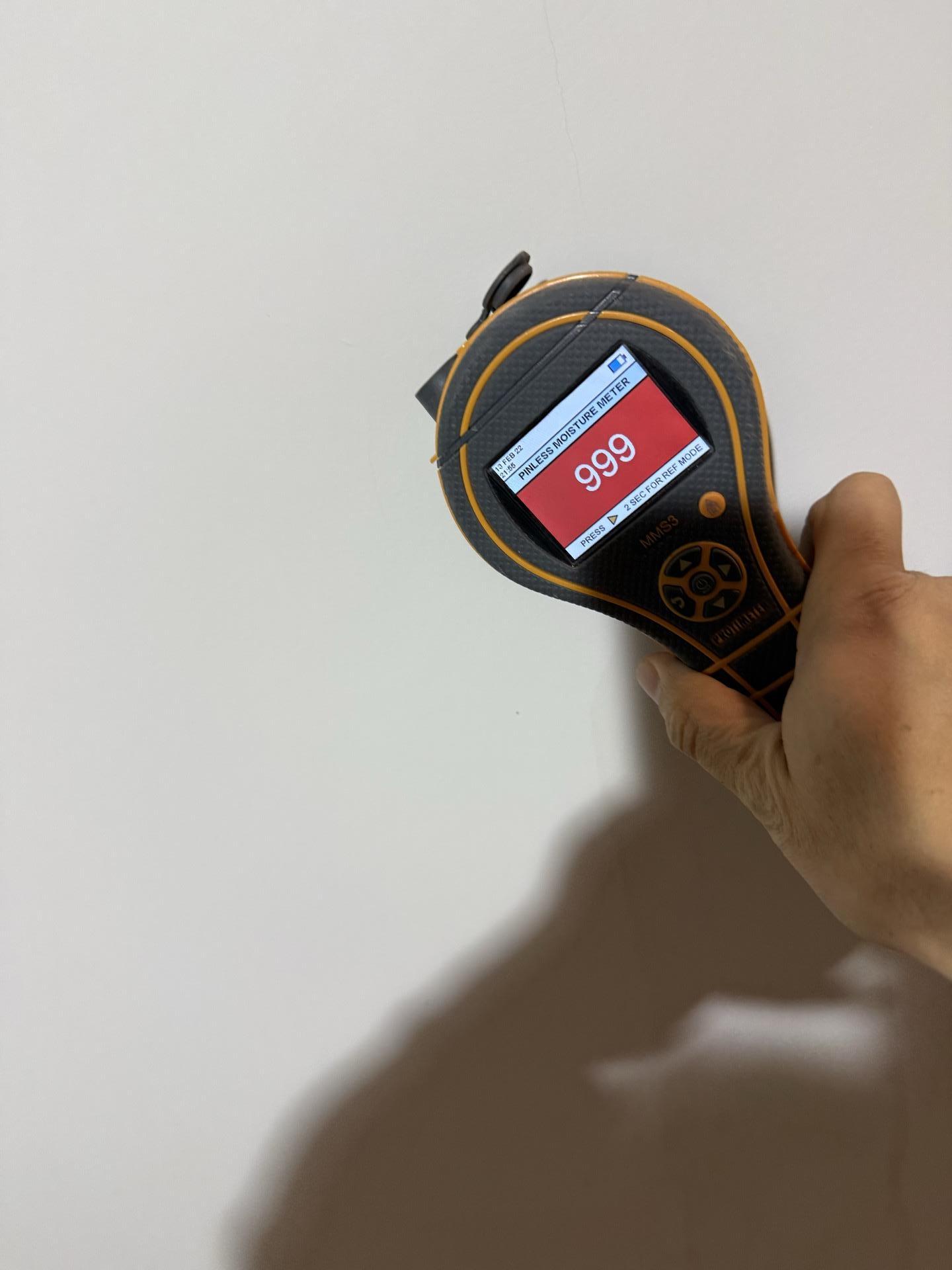
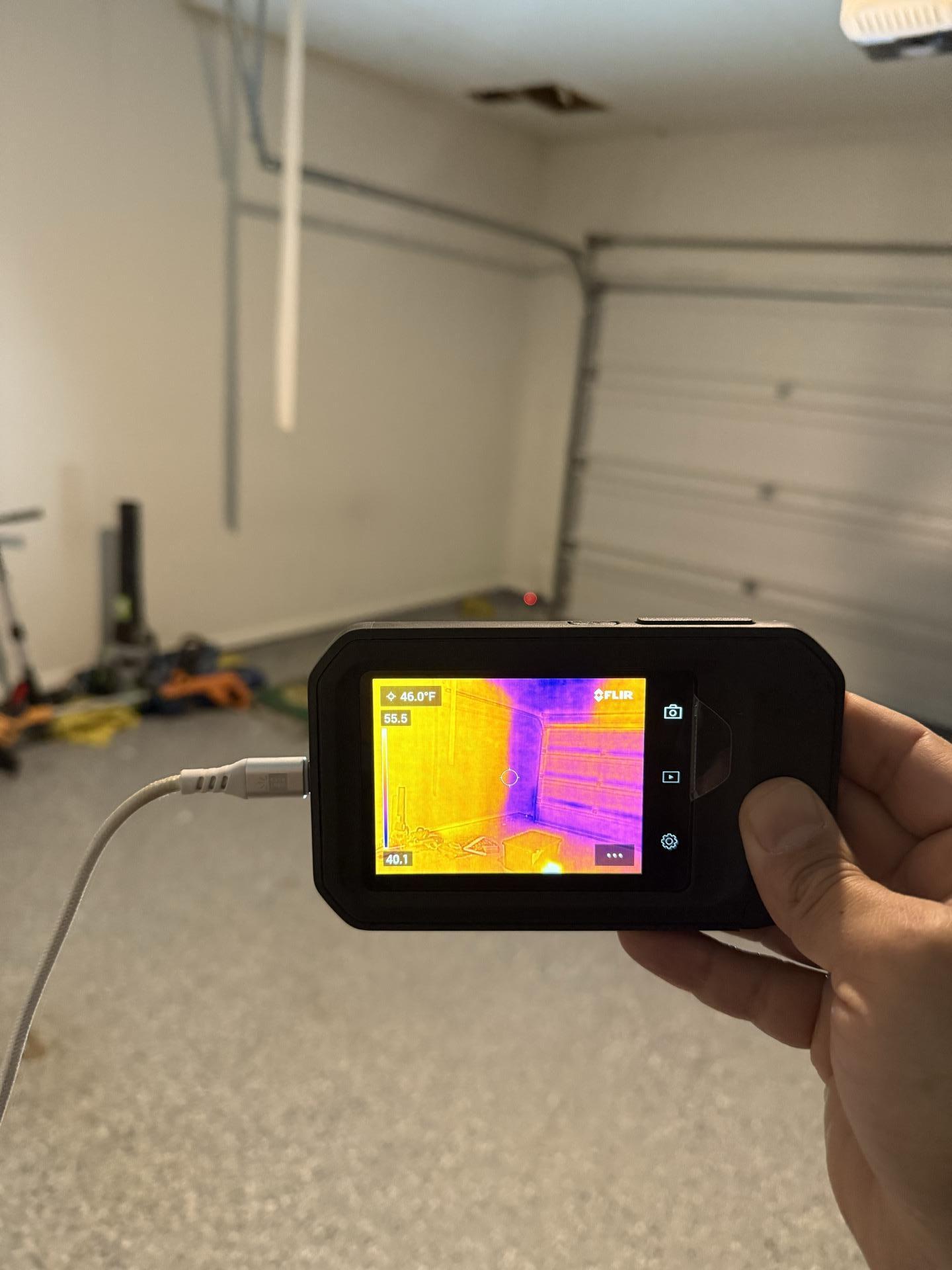
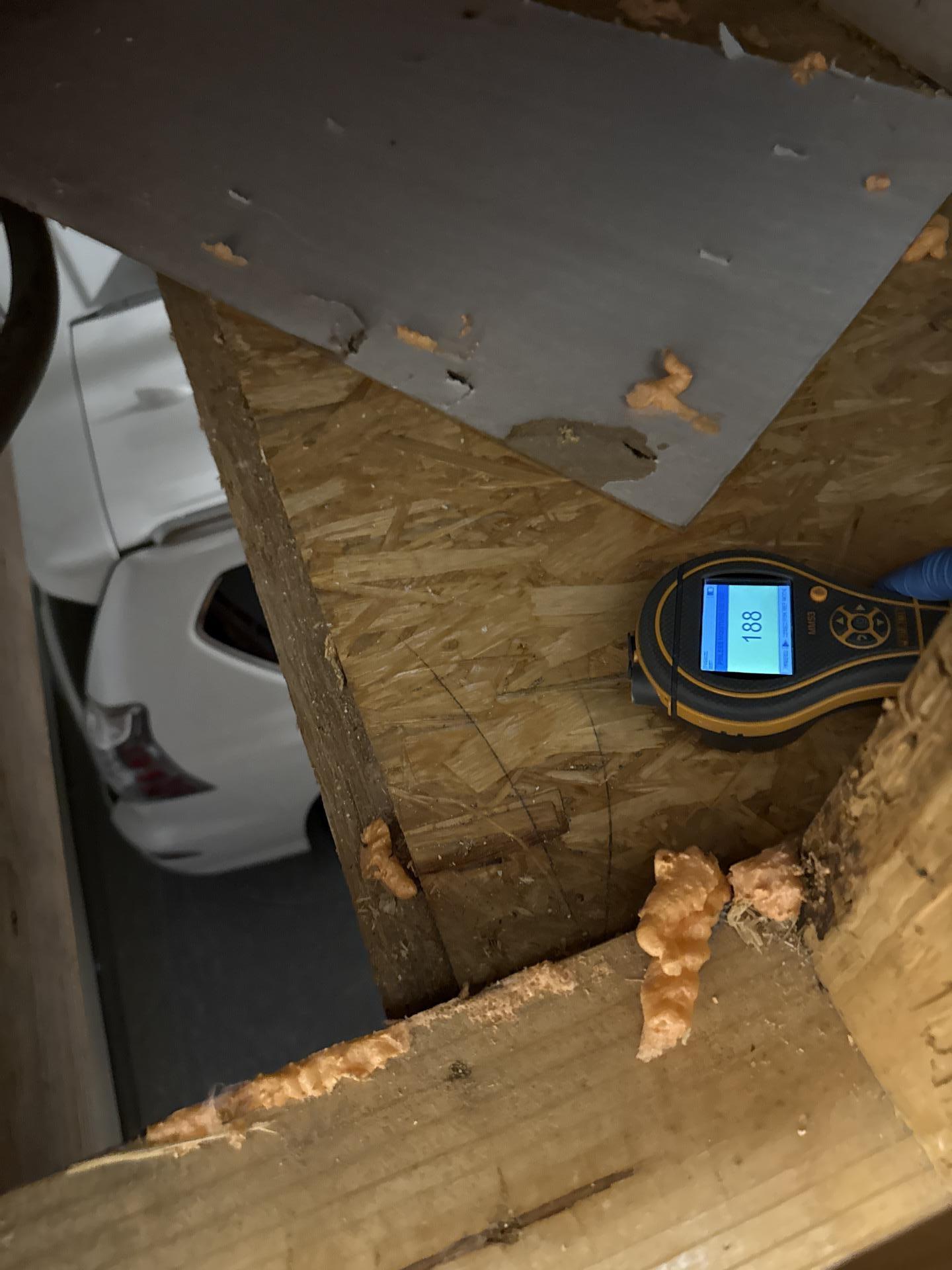
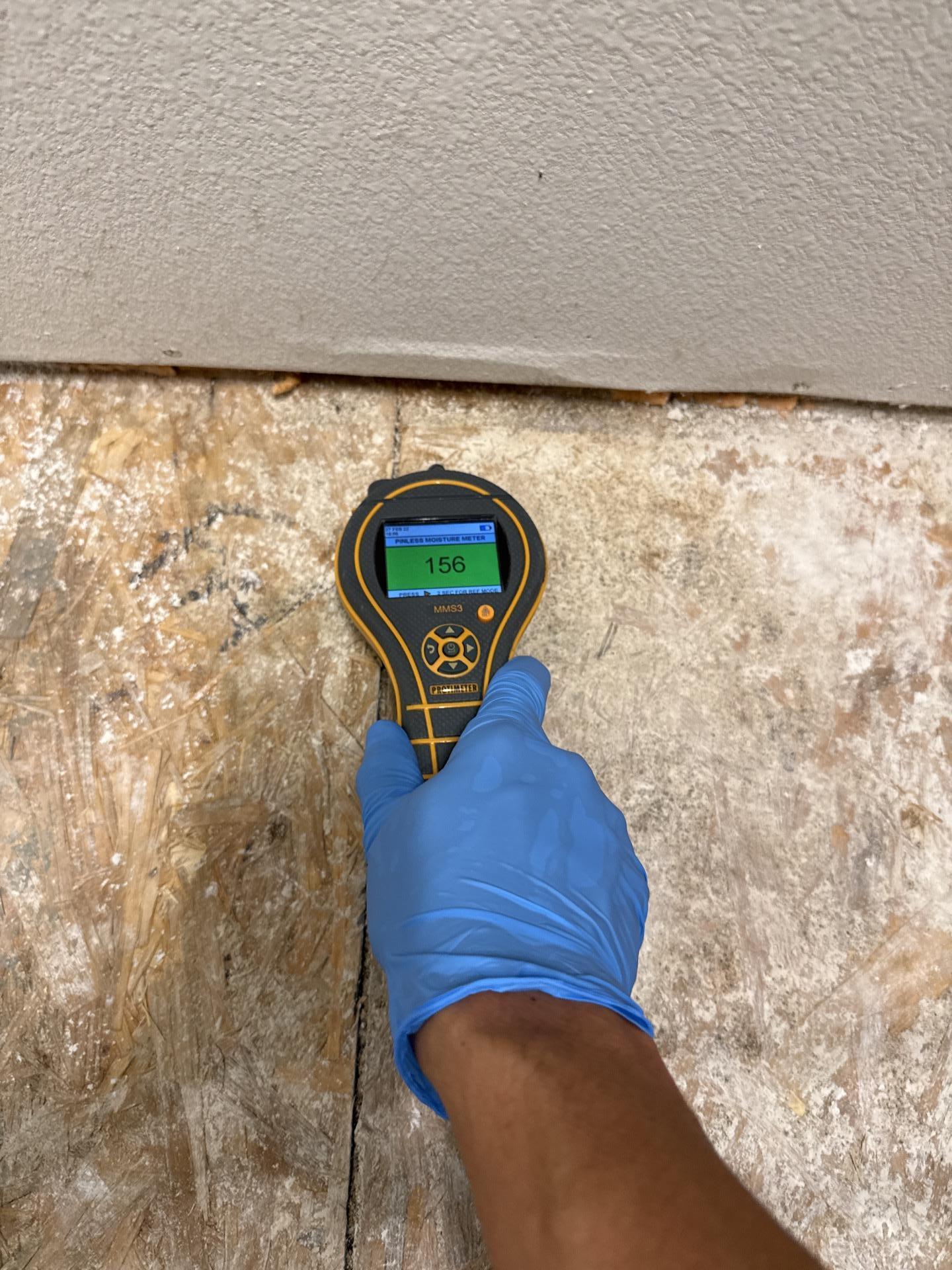
Our technicians pulled out the moisture meters and thermal cameras. The readings were not good. The upstairs bathroom had moisture saturating the drywall, insulation, tile, and plywood subfloor. Downstairs, an 8×7 foot section of garage ceiling was soaked through.
Initial Reading
Dry Standard
Gallery 1: Initial Damage Assessment
 |  |  |
 |  |  |
The Mitigation Process
The IICRC S500 Standard is clear: mold can start growing within 24 to 48 hours. We moved fast.
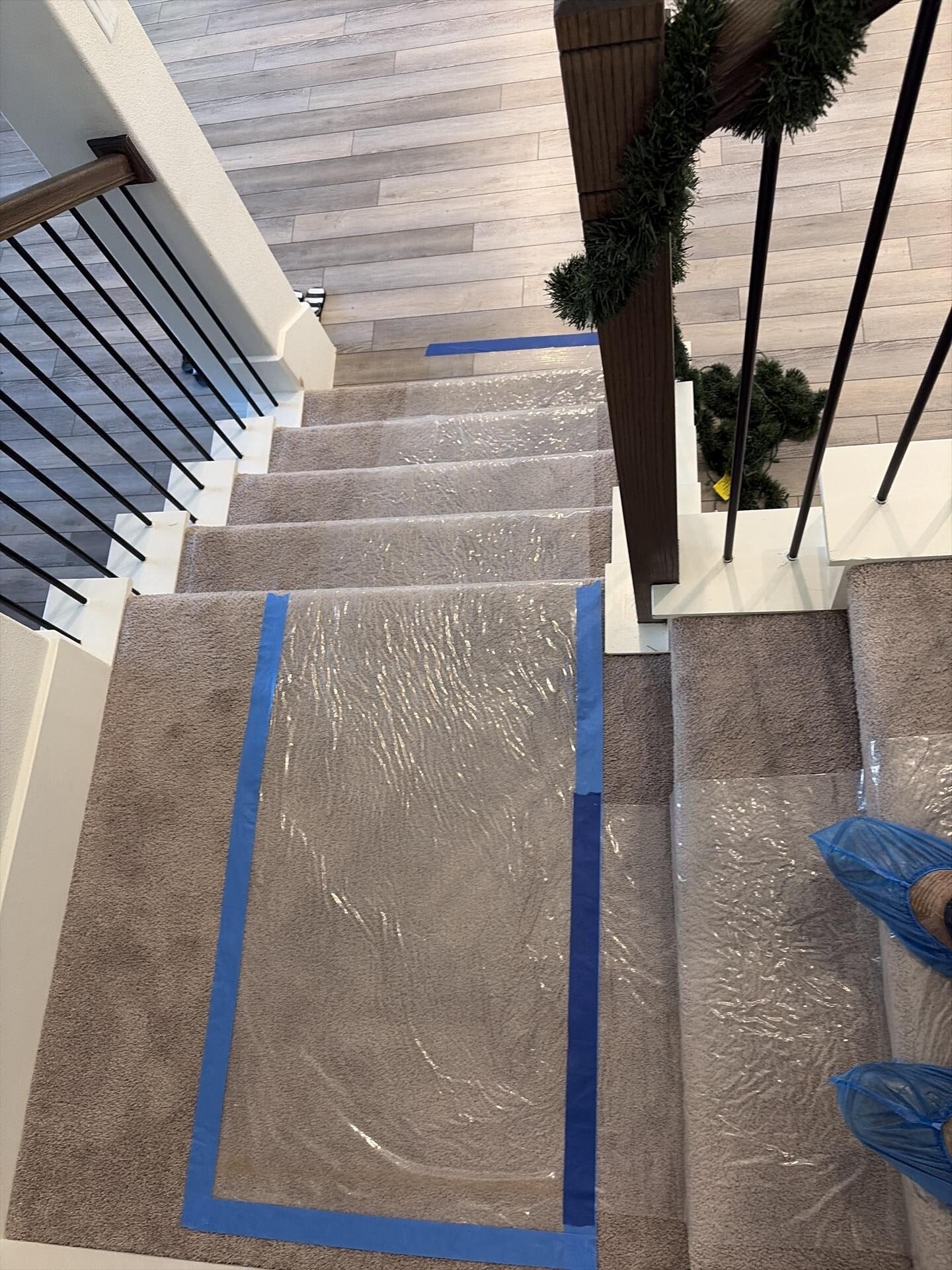
First, containment. Sticky plastic went down on the carpeted stairs. Paper-covered hard floors. Barriers went up to keep dust and debris from spreading to clean areas of the home.
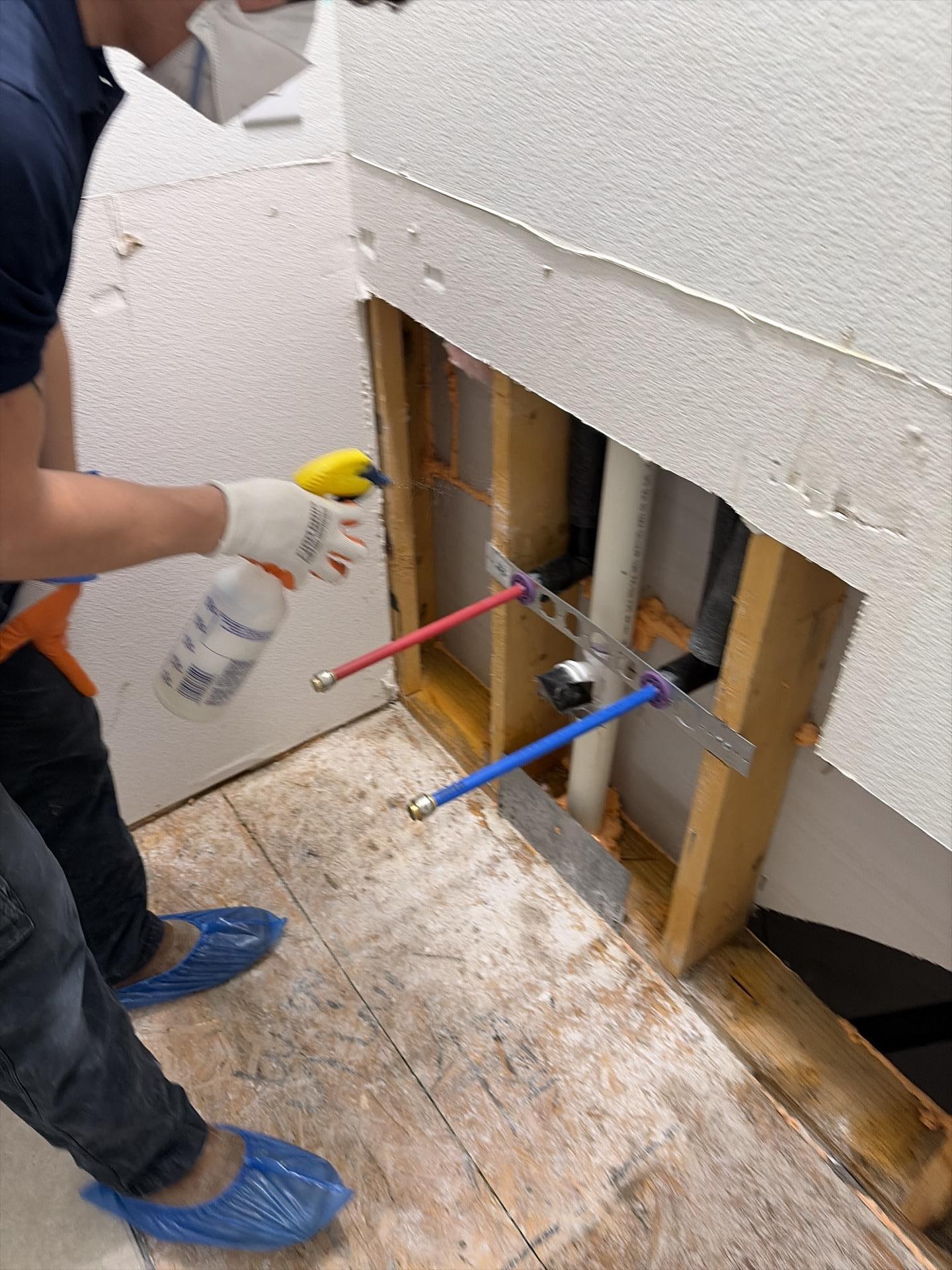
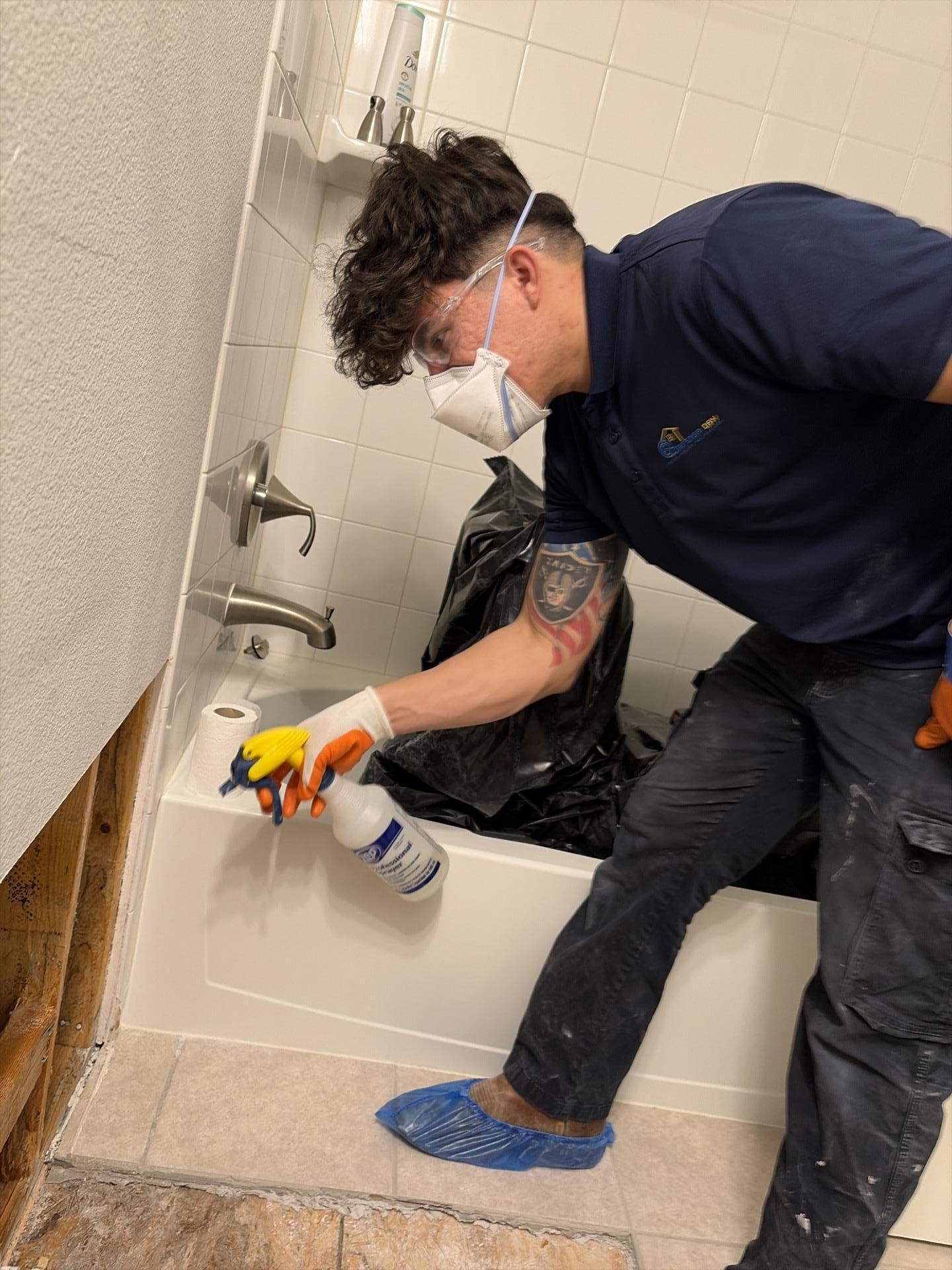
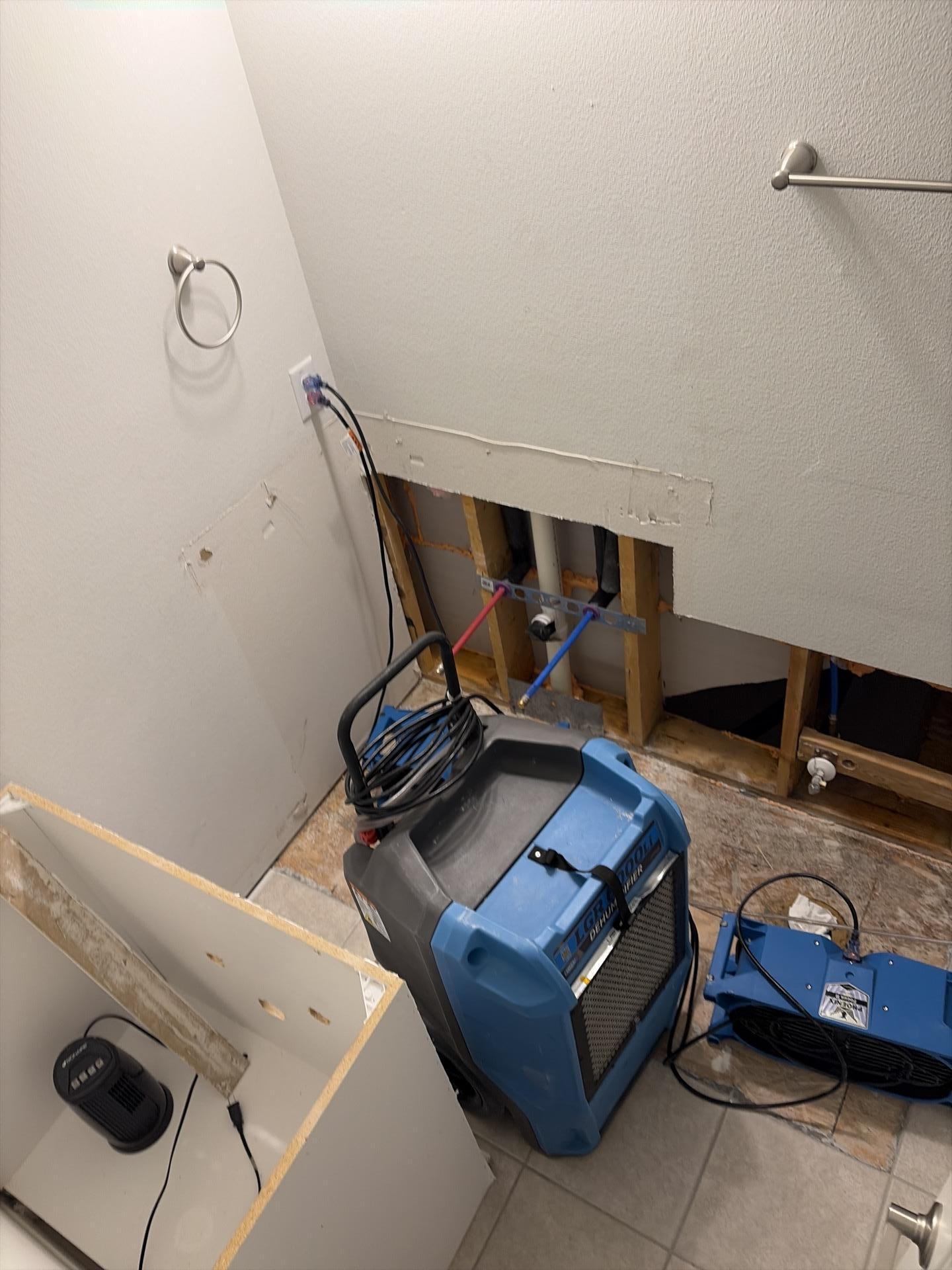
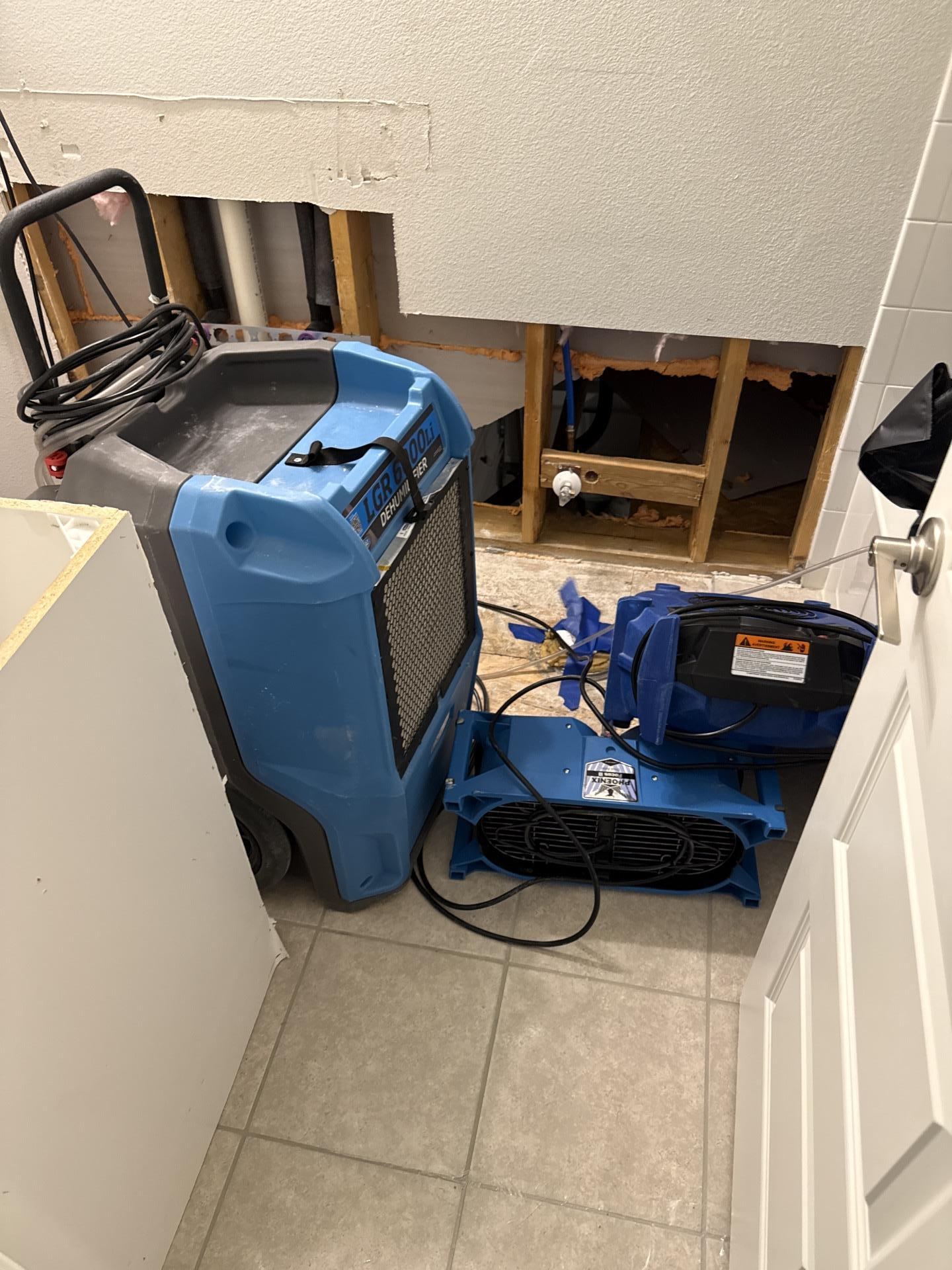
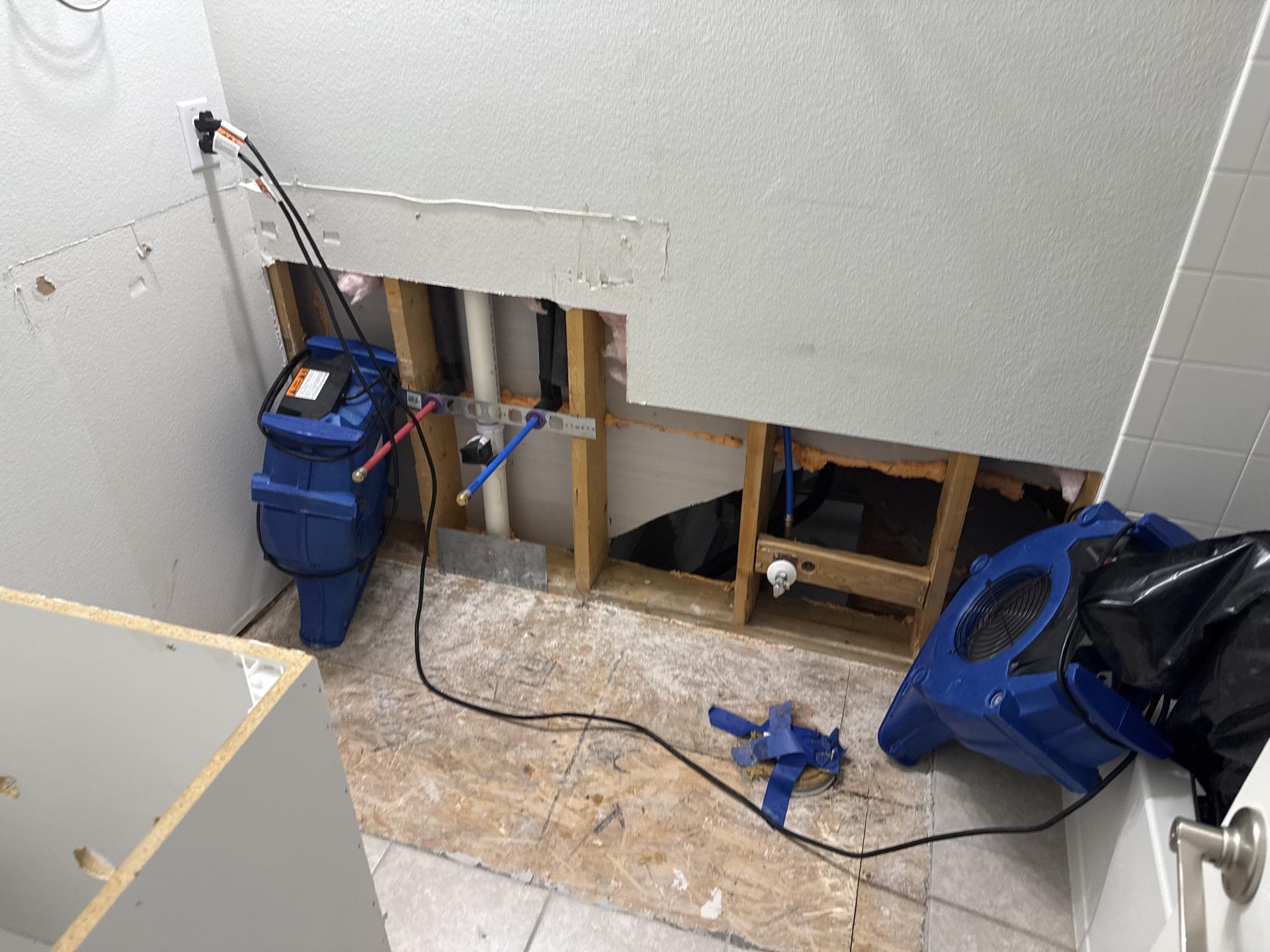
In the bathroom, we detached the toilet and pulled up wet tiles. Drywall was cut two feet high to expose the wall cavity. Saturated insulation came out in bags. Then we hit everything with antimicrobial treatment to stop mold before it could start.
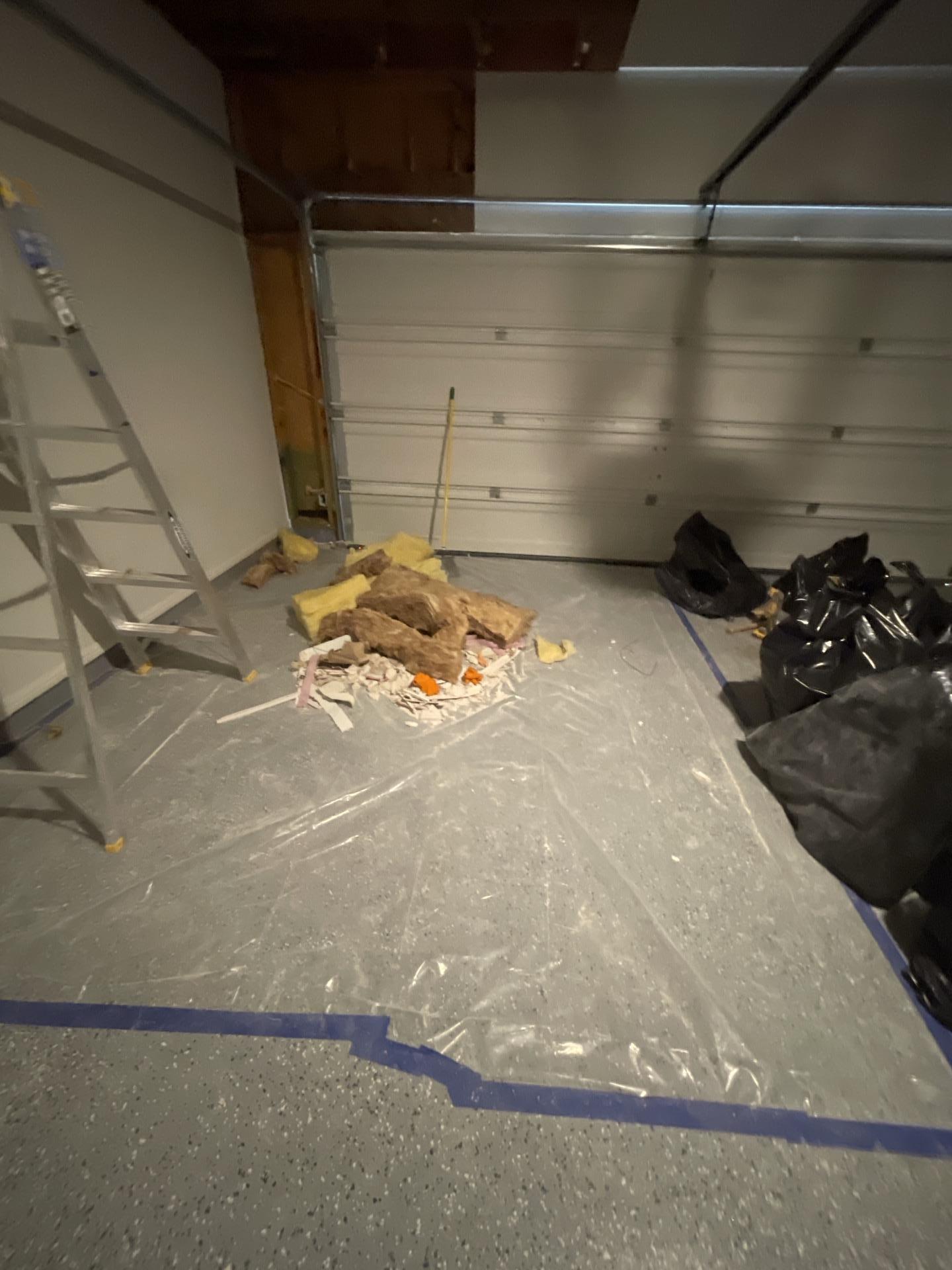
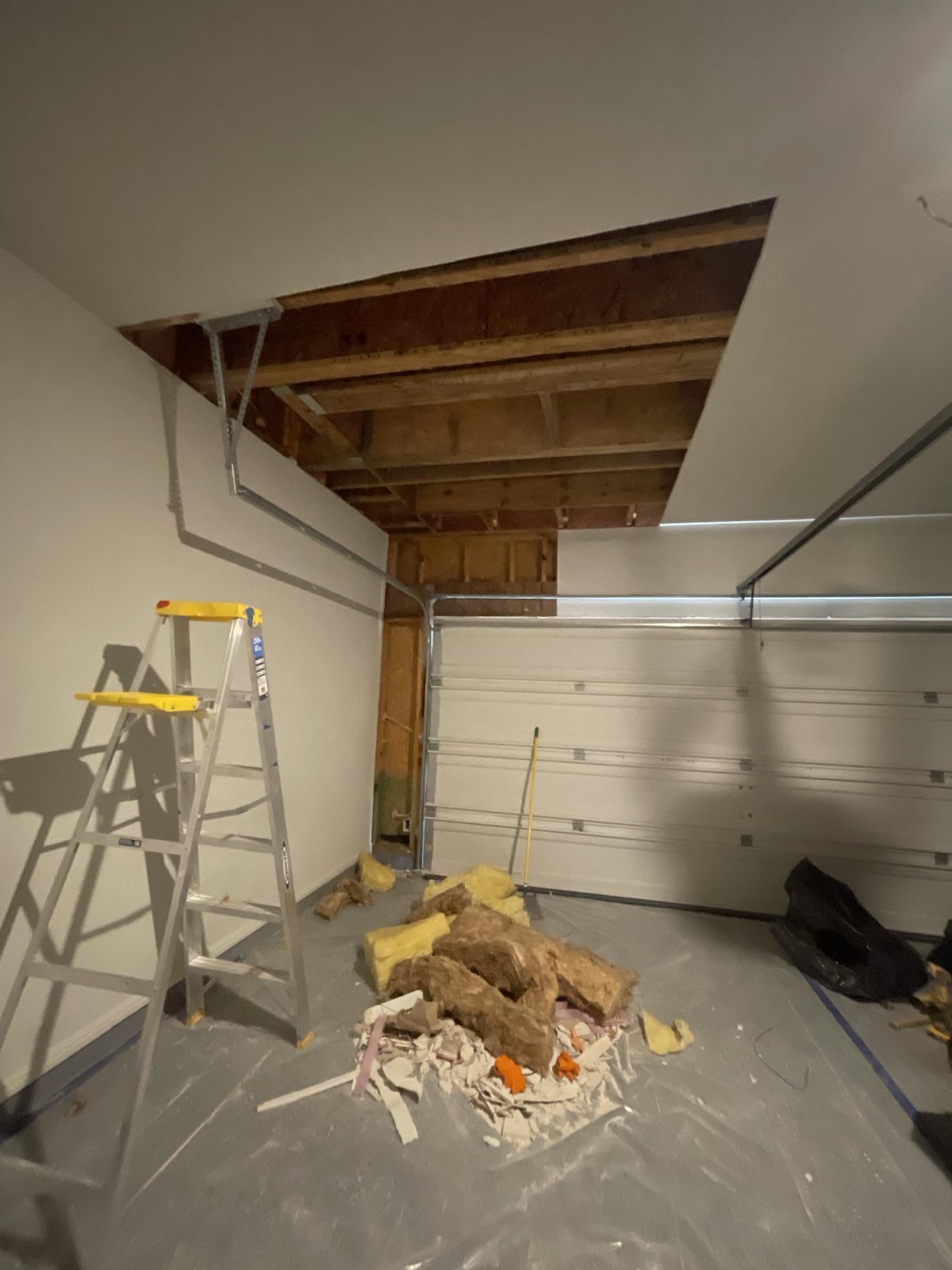
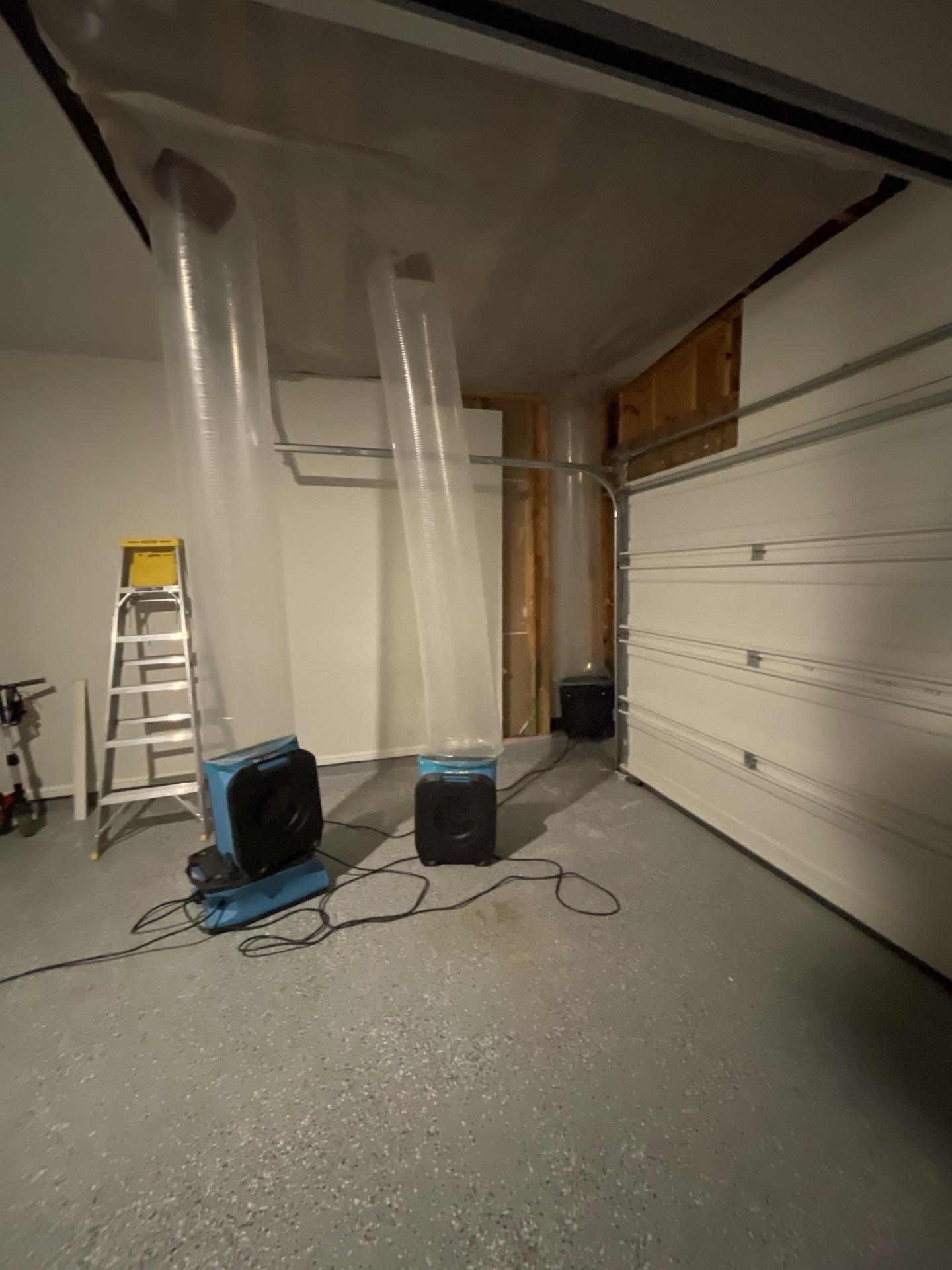
The garage needed serious attention. We laid plastic on the floor, then cut out the entire wet ceiling section. Corner walls showing moisture came down too. Once we exposed the cavity, antimicrobial went in and plastic sealed the opening to create a controlled drying chamber.
Gallery 2: Demolition, Treatment, and Drying
 |  |  |
 |  |  |
 |  |  |
 |  |  |
Drying and Monitoring
Professional water damage cleanup and mitigation means commercial-grade equipment running around the clock.
Bathroom: 2 air movers + 1 LGR dehumidifier
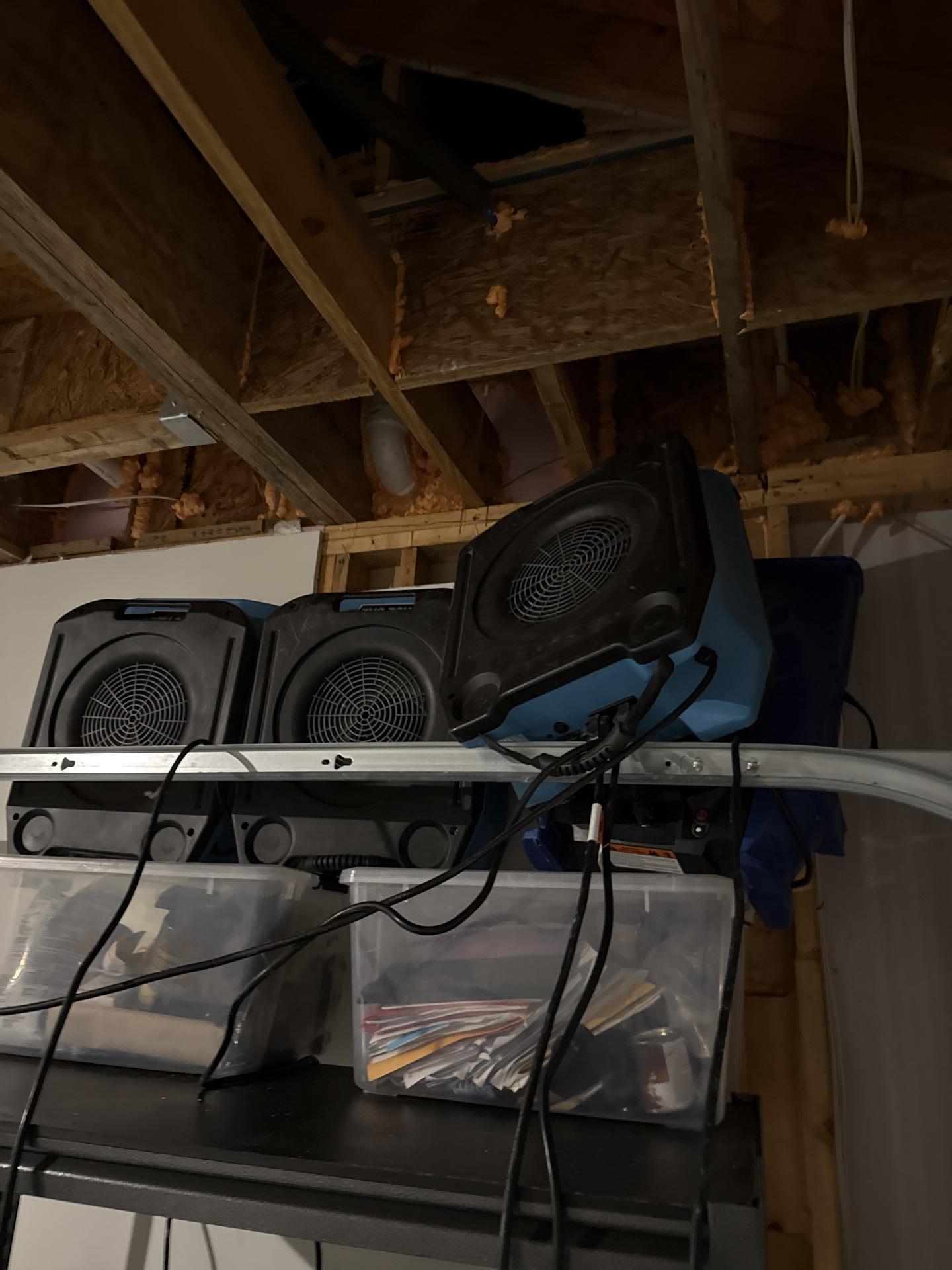
Garage: 4 air movers + layflat ducting + air scrubber
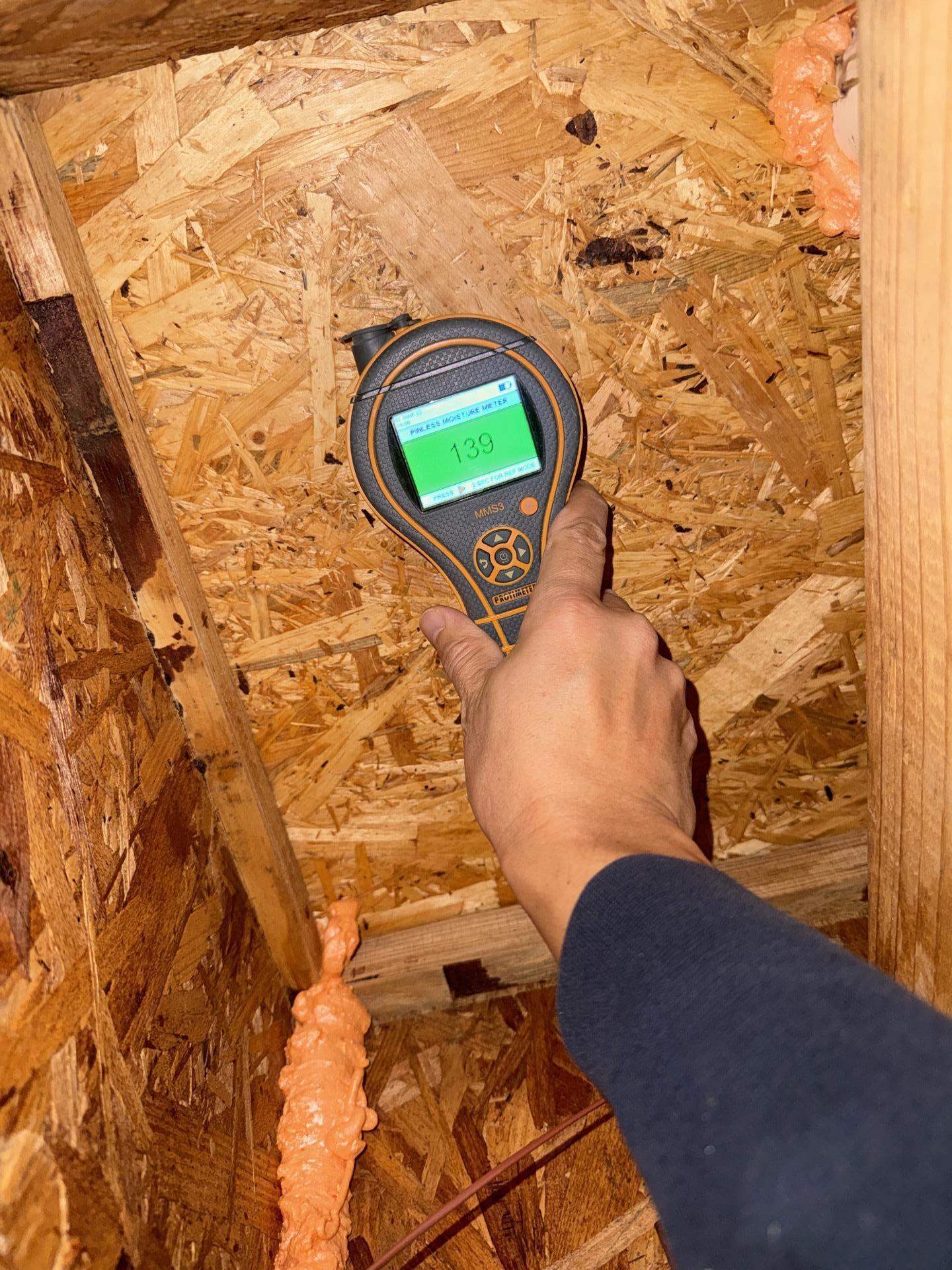
We returned every day to document humidity levels, adjust equipment, and track moisture readings. Restoration is not a set-and-forget operation. You have to watch the numbers drop and make sure everything is drying evenly. By the end of the drying period, materials had reached acceptable moisture levels throughout both affected areas.
The Final Result
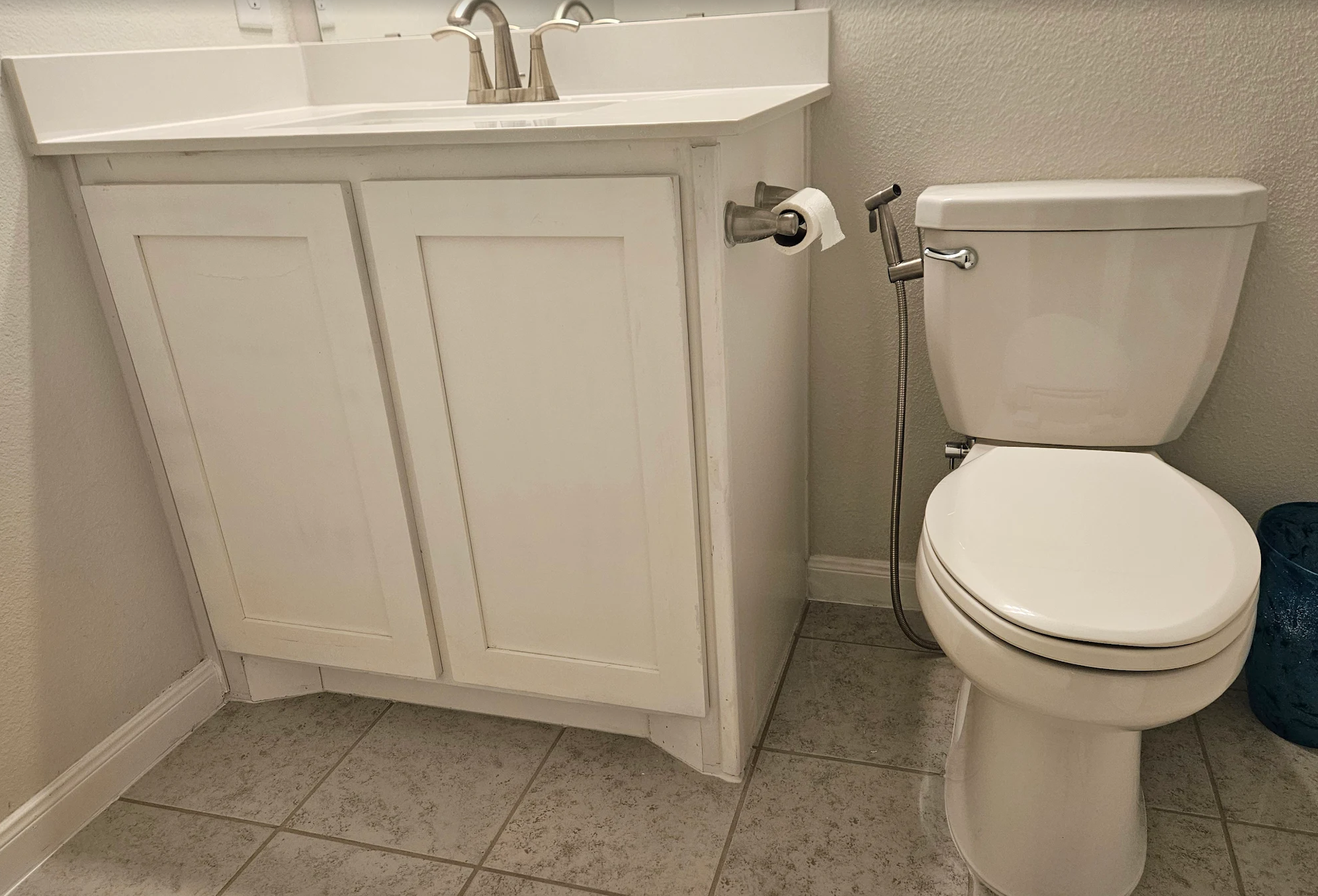
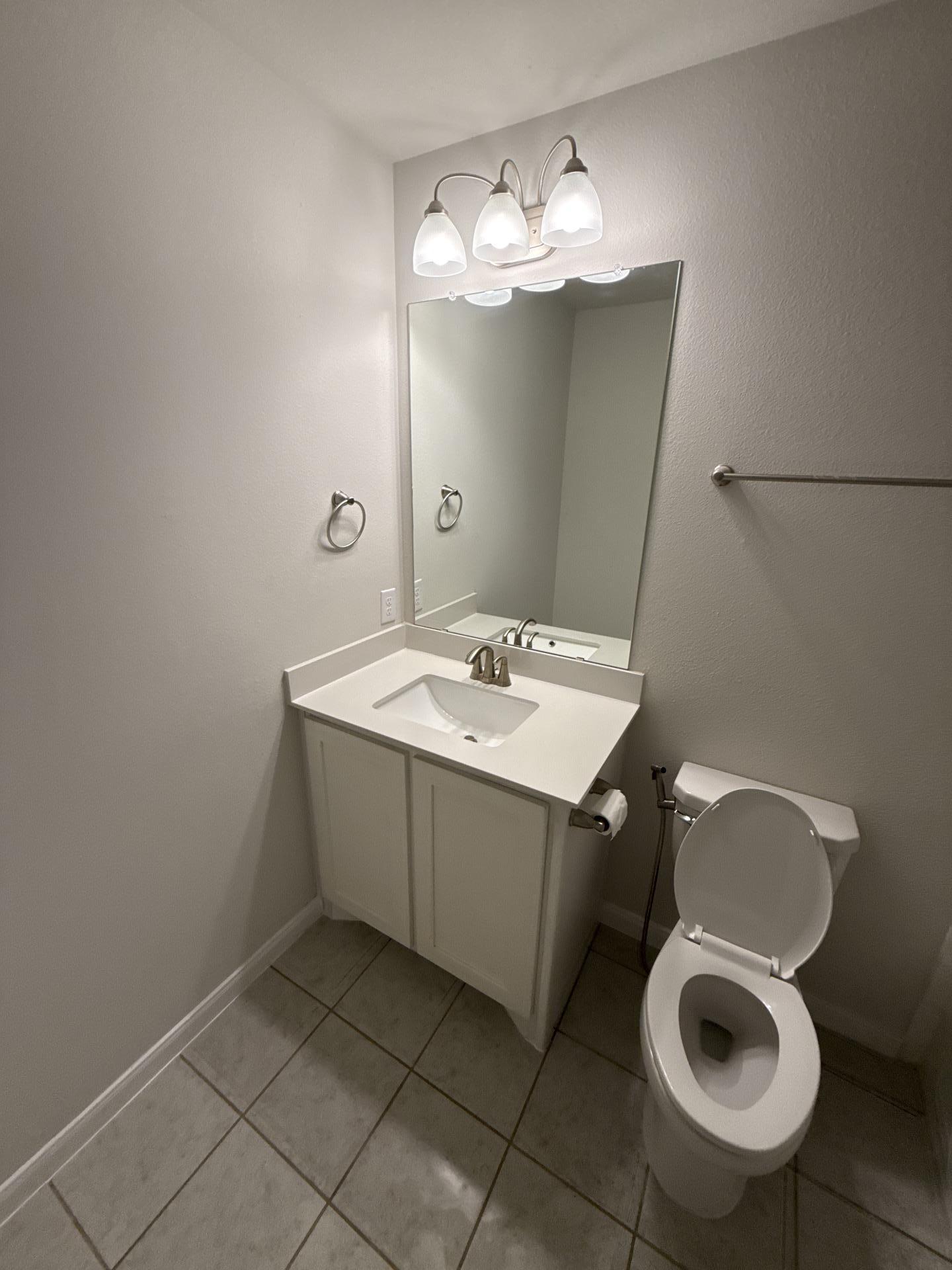
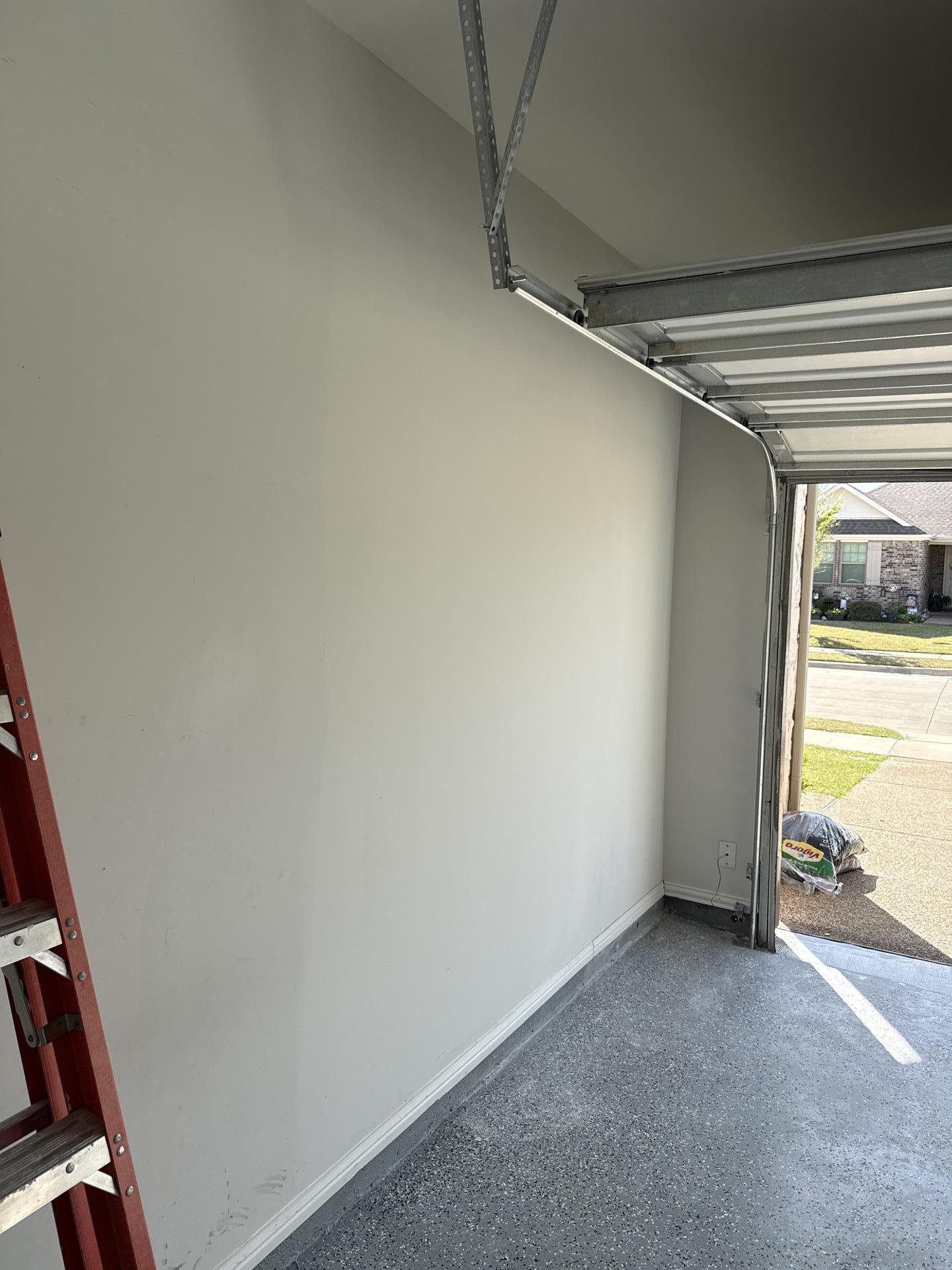
Once materials hit acceptable moisture levels, our reconstruction team stepped in. New drywall went up in both the bathroom and garage. Fresh insulation replaced what we removed. Tile, flooring, and fixtures were reinstalled. When we finished, you would never know the home had experienced serious water damage just weeks before.
Gallery 3: Monitoring and Completed Restoration
 |  |  |
 |
What the Homeowner Said
At the end of every project, the homeowner’s experience matters most. This Melissa homeowner left a review that captures what we strive to deliver on every job:
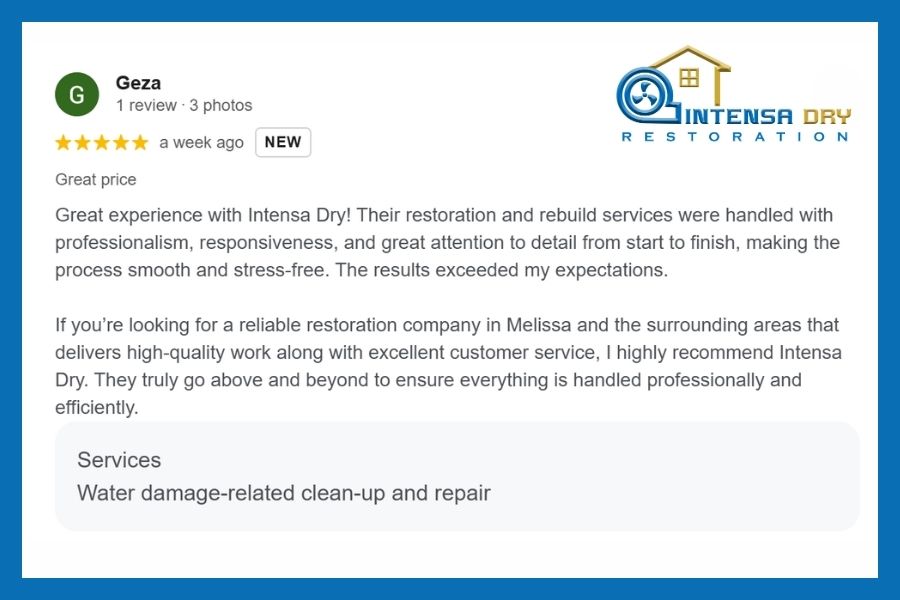
This is why we do what we do. Water damage is stressful, disruptive, and overwhelming. When we can guide homeowners through the process with clear communication, quality work, and genuine care, we have done our job right.
IICRC-certified team. 24/7 response. On-site in under 40 minutes.
Get Help Now
Prevent This From Happening to You
You cannot always prevent construction defects from years past, but you can catch problems early. Know where your main water shutoff is. Watch for unexplained moisture, higher water bills, or sounds of running water when nothing is on. The EPA estimates household leaks waste nearly one trillion gallons annually, and early detection prevents small problems from becoming major restoration projects.
7 Hidden Signs of Water Damage in Your North Texas Home
How to Fix Water-Damaged Drywall and Ceiling
Learn more about our Water Damage services , serving Melissa, TX and surrounding areas.
Dealing With Property Damage?
This is the kind of job we handle every week. Get a fast, local response.