
A slow drip under the kitchen sink is one of those things that can go quietly unnoticed for weeks, sometimes longer. By the time it gets noticed, the damage is already spreading in places you can’t see. That’s exactly what happened in this Sherman, TX home, and it’s why our team at Intensa Dry Mold & Water Restoration gets called out for water damage restoration more often than people expect for something as “small” as a sink leak.
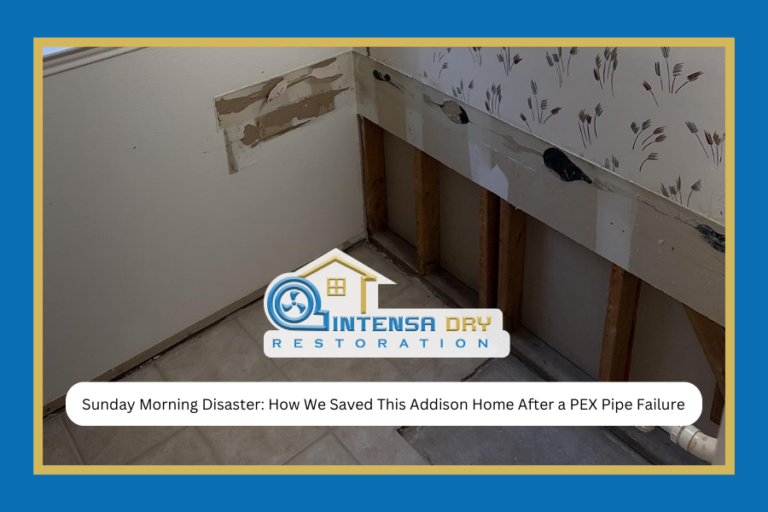
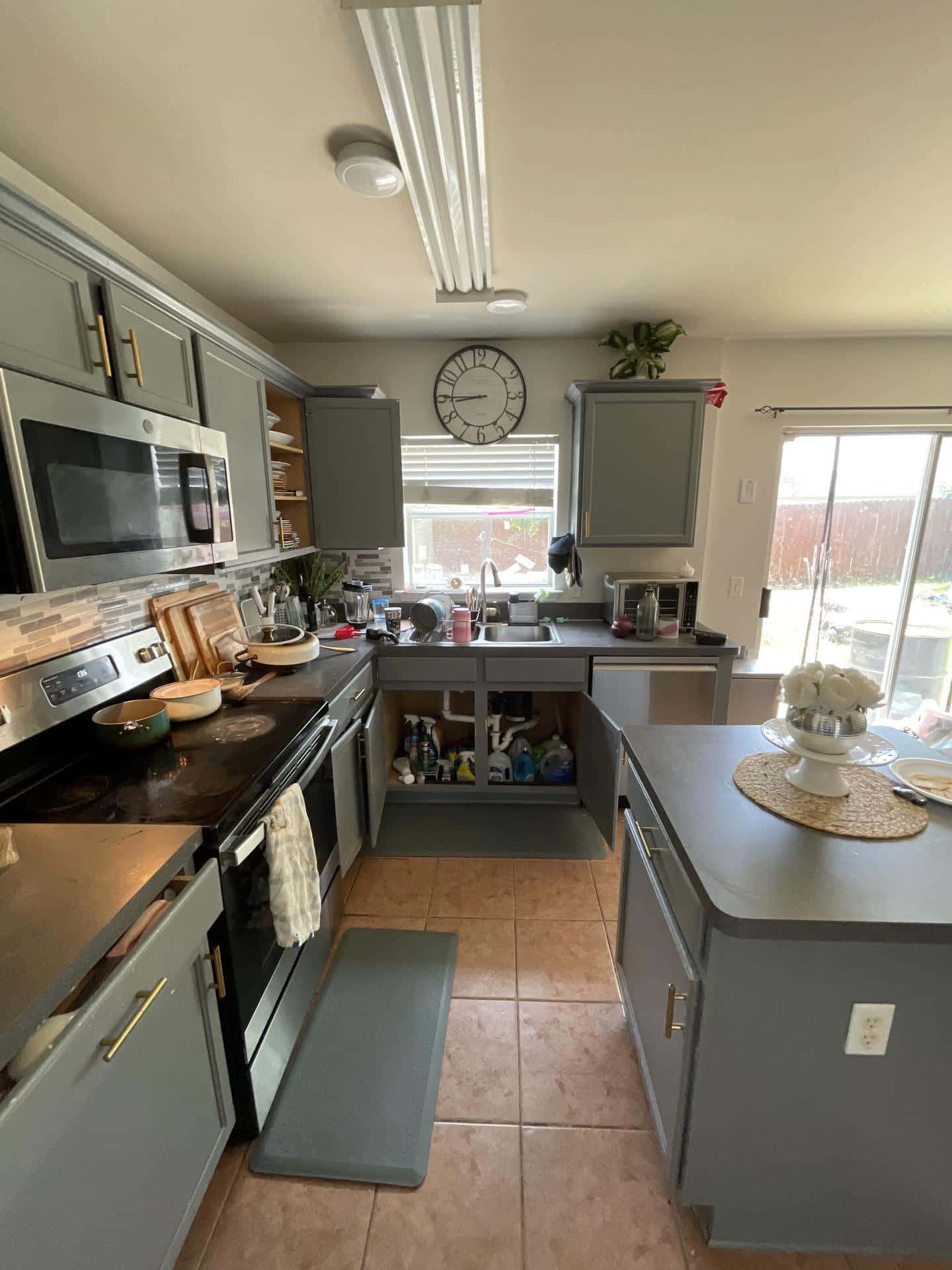
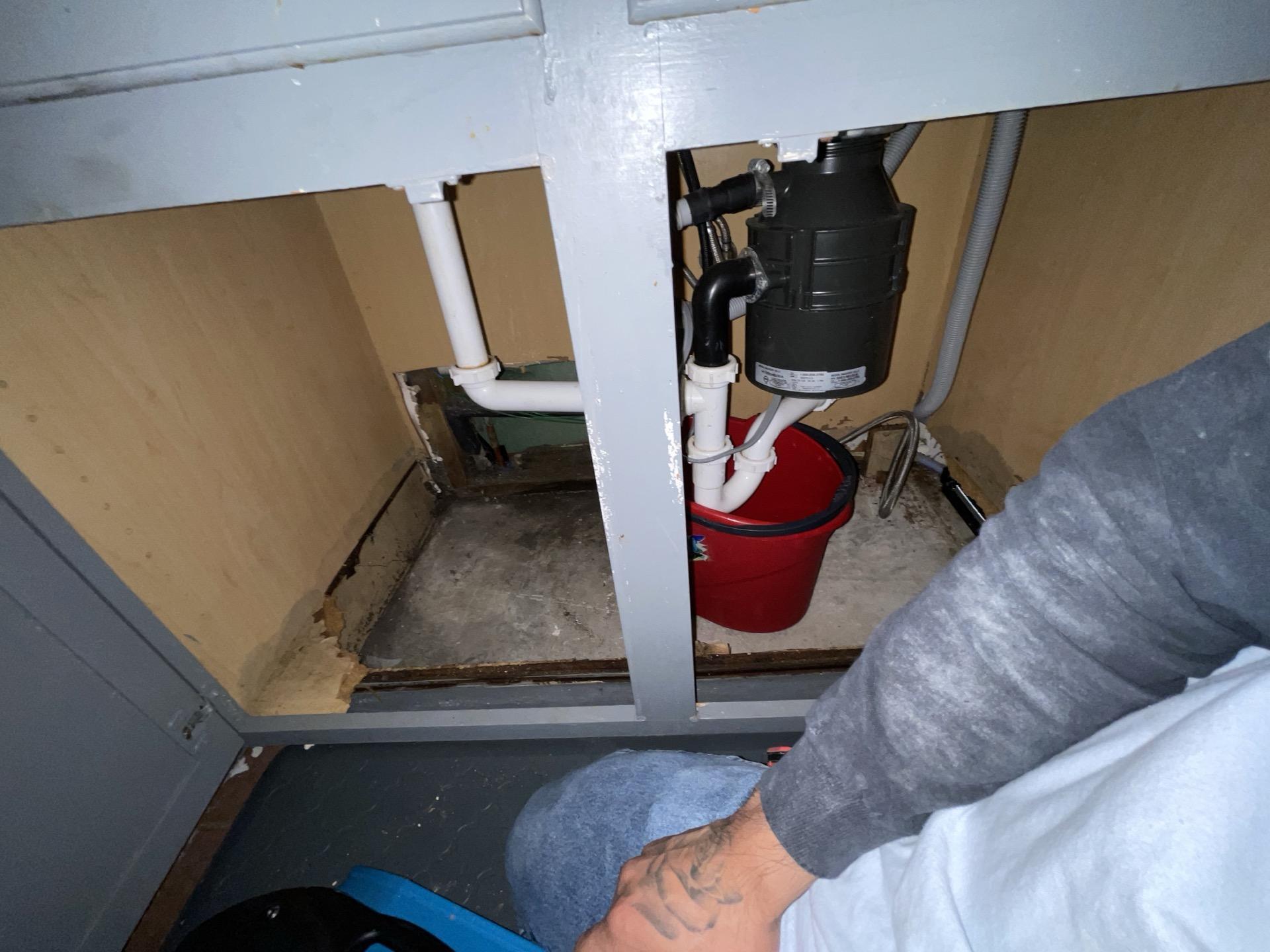
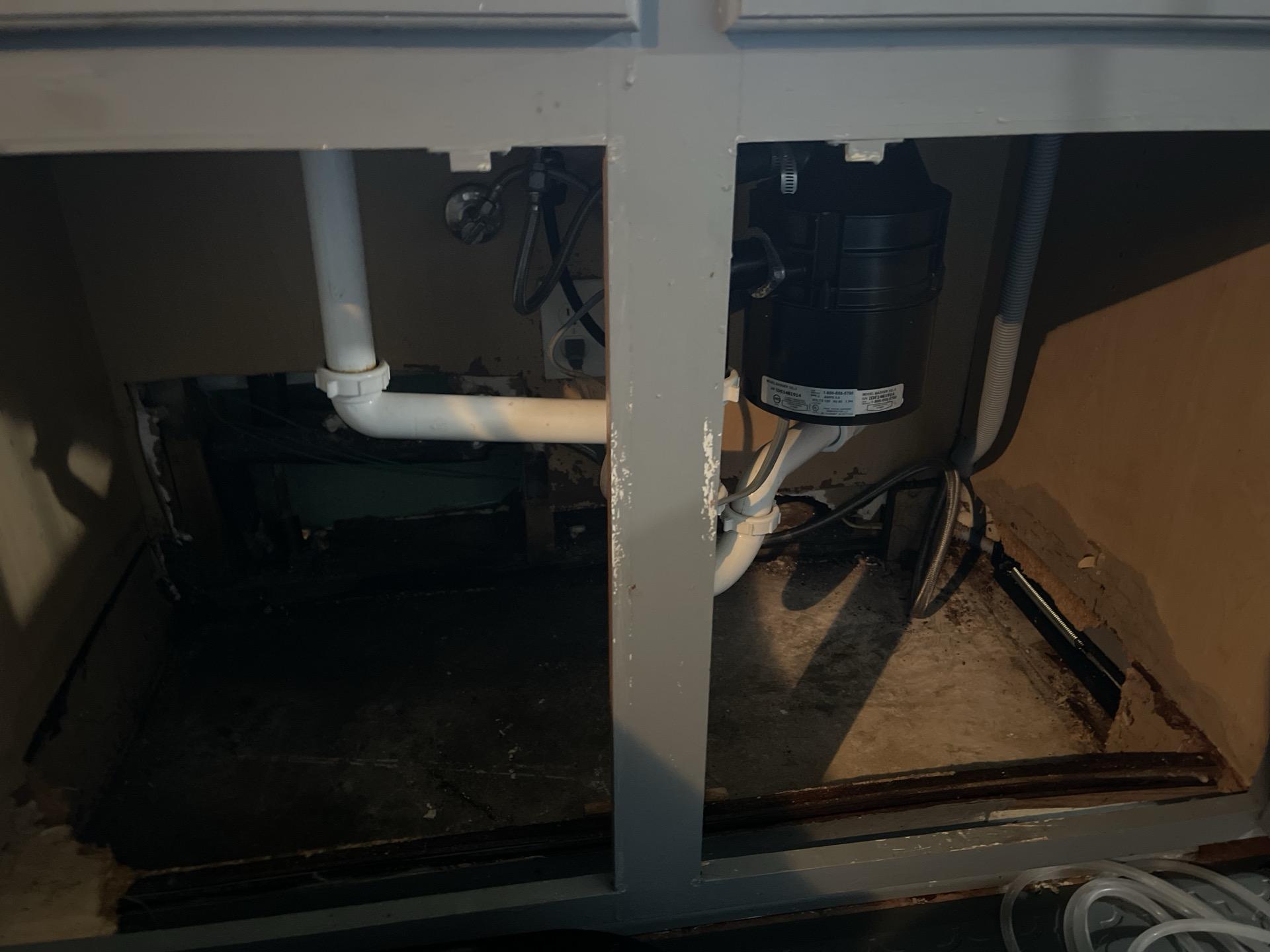
What we found when we arrived: water damage already spreading beneath the surface.
 |  |  |
What Seemed Like a Minor Leak Wasn’t So Minor
The homeowner noticed a bit of moisture under the kitchen sink and figured it was something simple. A slow drip from the supply line, probably easy to clean up with a towel and a quick tightening of the fitting. Unfortunately, the water had other plans.
By the time the leak was discovered, water had already seeped into the cabinet base, traveled beneath the toe kicks, and made its way under the kitchen flooring. That’s the thing about slow, hidden leaks: they’re patient. The moisture just keeps moving until something stops it, and drywall, wood, and flooring are not great at stopping it.
Our team was on-site quickly after the call came in. When we got there, we could already see visible warping on the cabinet base, and there was that familiar damp smell that tells you the water has settled in somewhere it shouldn’t be.
What Our Moisture Assessment Revealed
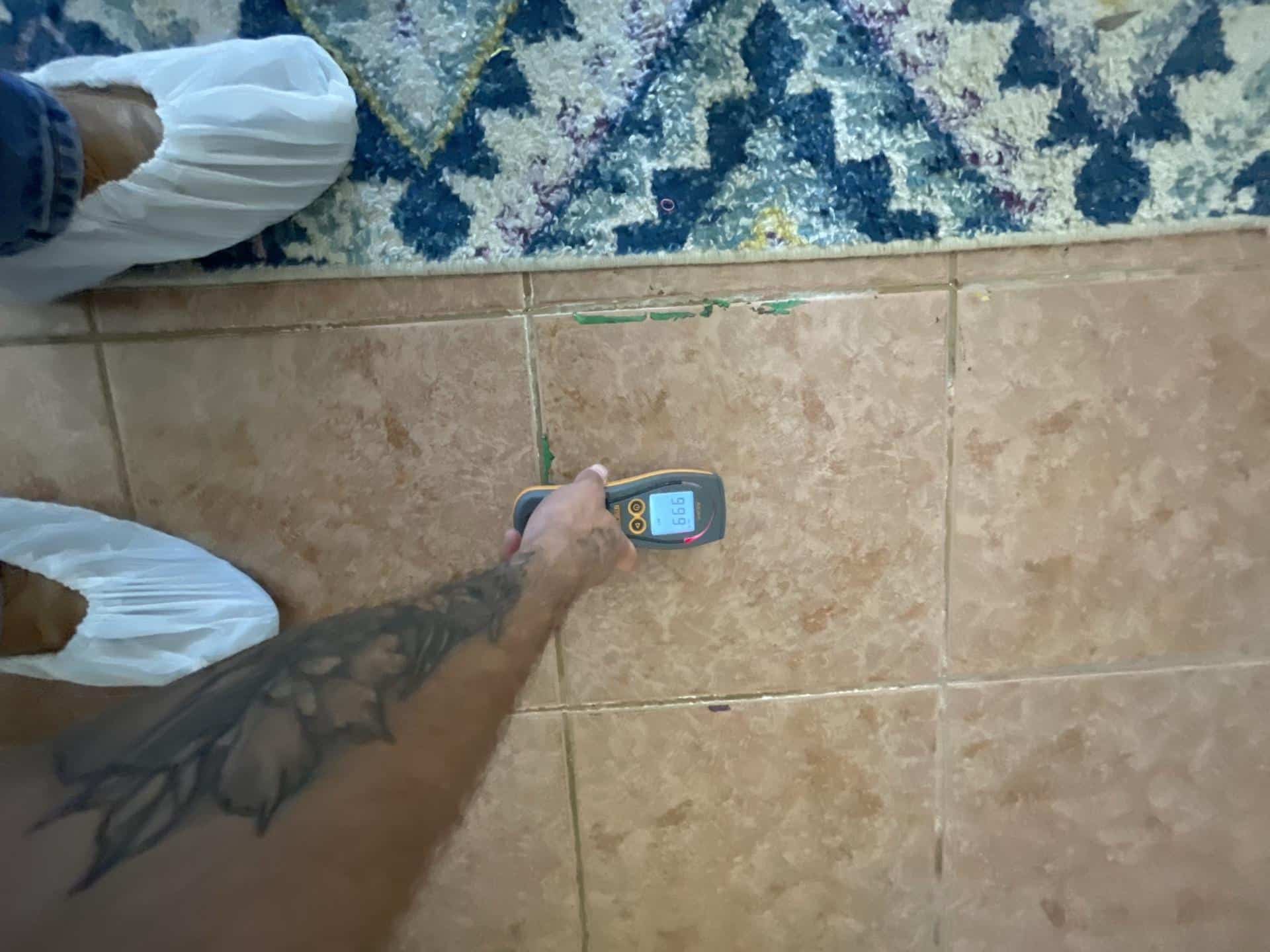
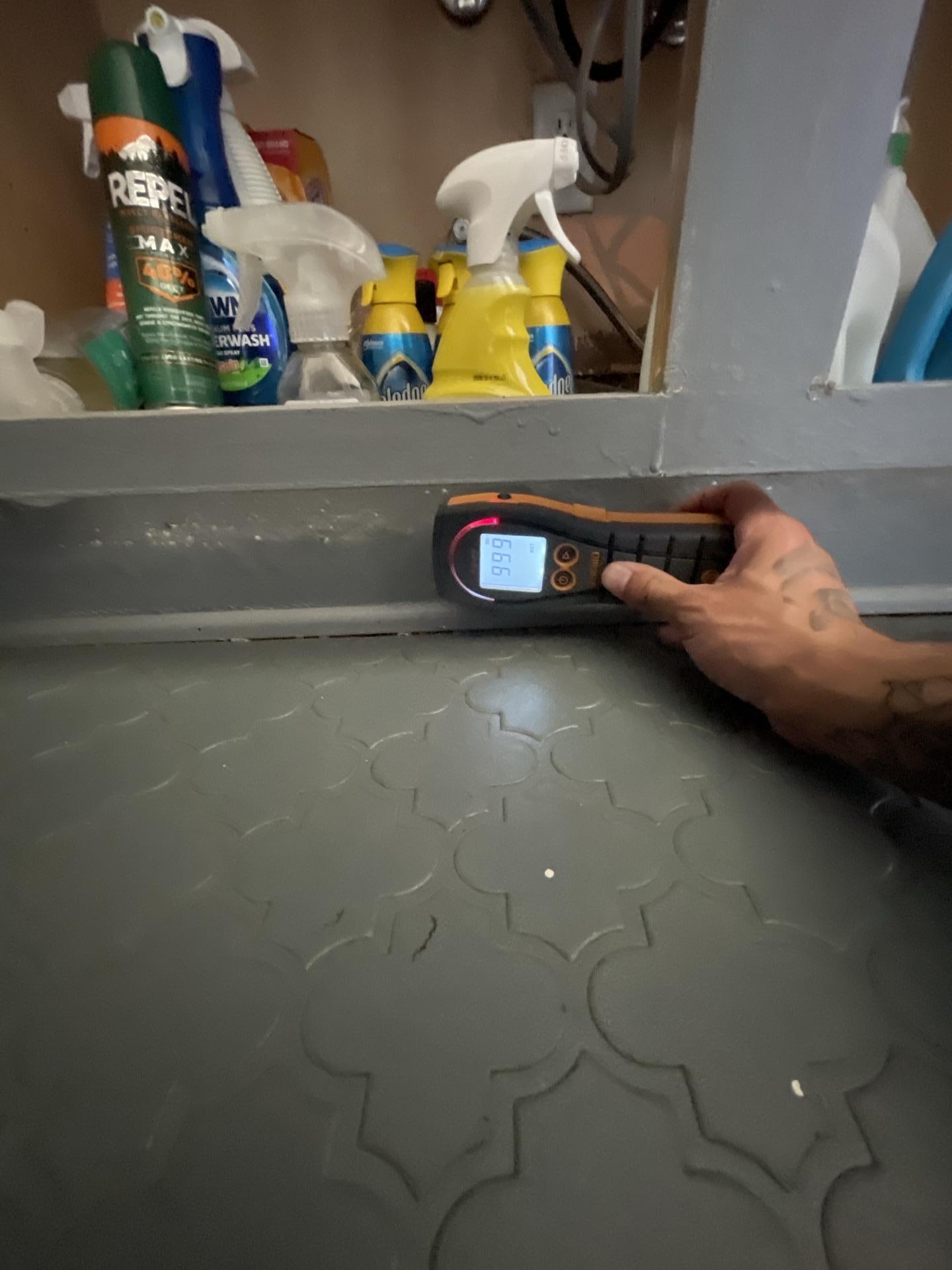
The visible damage was only part of the story. We brought in our moisture meters to map out how far the water had actually traveled, and the readings under the flooring confirmed what we suspected: moisture had spread well beyond what the eye could see.
This is one of the most important steps in any water damage job, and it’s something we take seriously on every call. According to IICRC standards for water damage restoration, accurate moisture mapping is essential for determining the actual scope of damage and confirming that drying is complete. Guessing leads to missed pockets of moisture, and missed moisture leads to mold.
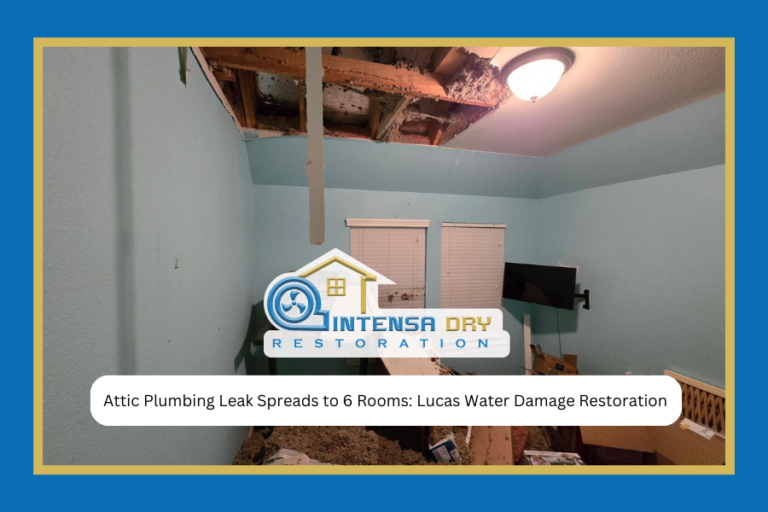
Moisture readings confirmed water had traveled beneath the flooring, far past the visible damage area.
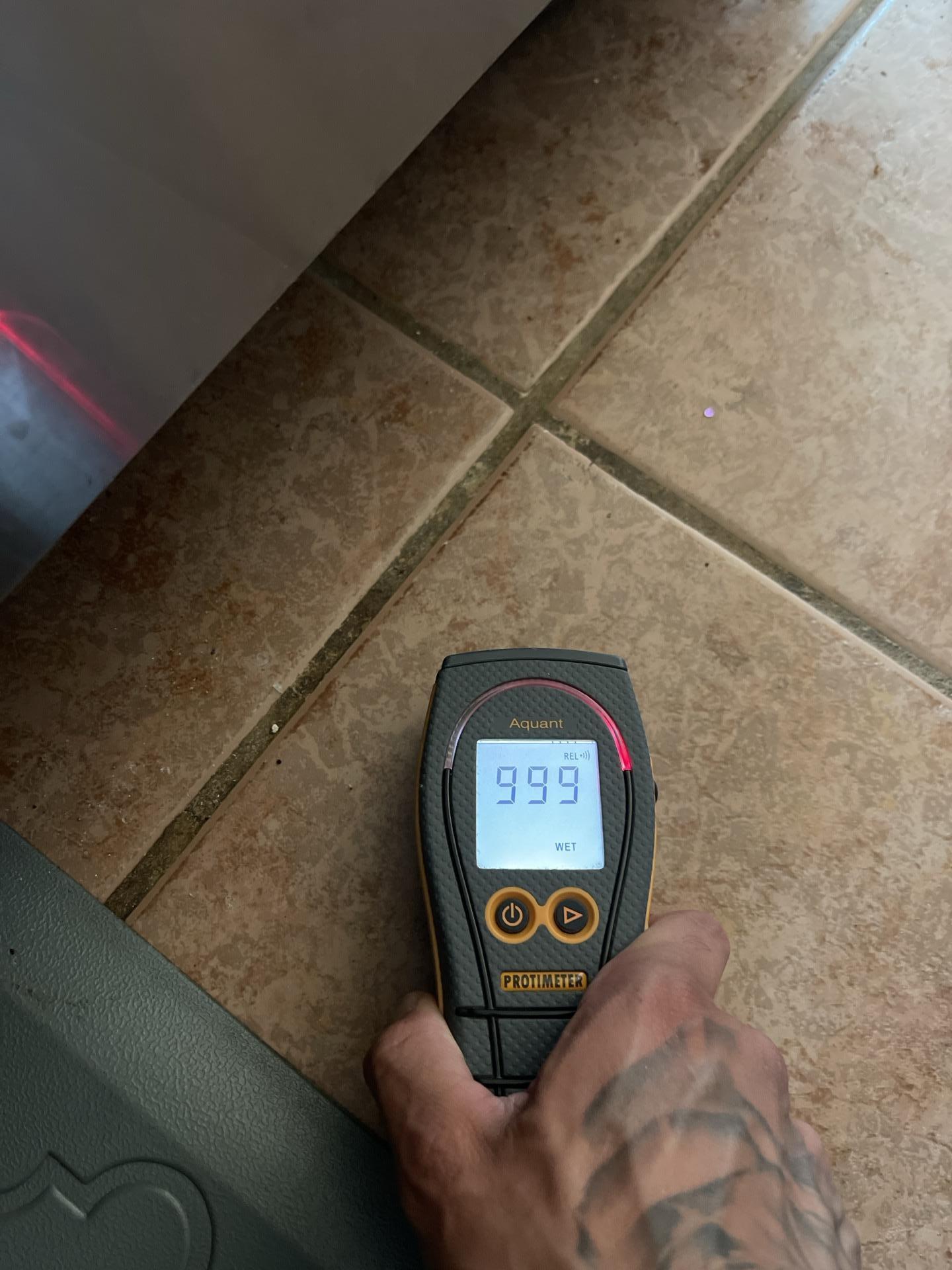 |  |  |
Here’s What the Readings Showed
- Elevated moisture levels throughout the cabinet base and lower sidewalls
- Moisture migration beneath the flooring, extending several feet from the source
- Subfloor materials showing signs of saturation in multiple spots
None of this would have been caught with a visual inspection alone. That’s exactly why we don’t skip the meters, even on jobs that look small on the surface.
Drying Out the Right Way
Once we had a full picture of the damage, we put together a drying plan targeted to the actual affected areas. Industrial air movers and dehumidifiers were positioned to pull moisture out from beneath the flooring and from inside the cabinet structure. We don’t just set equipment and disappear; we monitor readings throughout the drying process to make sure moisture levels are actually dropping.
For a job like this, proper drying is what protects the home from a much bigger problem down the road. Trapped moisture under flooring or inside cabinet materials is one of the most common causes of mold growth in kitchens, and that’s a headache nobody wants to deal with after they thought the leak was handled. If you want to understand more about what cabinet damage from a water event can involve, our team put together a detailed breakdown in this post about how to repair kitchen cabinets with water damage.
What Homeowners Often Don’t Realize About Kitchen Leaks
Kitchen sink leaks are surprisingly common, and they’re one of the more sneaky sources of water damage in a home. Because the plumbing is tucked inside a cabinet and the cabinet door usually stays closed, small leaks can go undetected for a long time. By the time there’s visible warping or a musty smell, the damage has typically been building for a while.
A few signs that a kitchen leak may be doing more damage than it looks:
- Cabinet floors or walls that feel soft or spongy
- Discoloration or swelling on the inside cabinet surfaces
- A persistent musty or damp odor near the sink area
- Flooring that feels slightly soft or uneven near the cabinets
- Water stains or mineral deposits on the cabinet interior
If any of those sound familiar, it’s worth having someone come out and take a look before it gets worse. And if you’re wondering whether you’d need to leave your home during the restoration process, here’s a helpful read: can you stay in your Plano home during water damage restoration.
Working With Insurance on Water Damage Claims
One thing that makes an already stressful situation more manageable is knowing someone’s handling the documentation side. Our team at Intensa Dry Mold & Water Restoration assists with the insurance claims process, which means we keep detailed records of moisture readings, affected areas, and drying progress throughout the job. That documentation matters when it comes time to file.
Whether a leak is covered often comes down to the cause and how quickly the damage was reported. Our IICRC-certified team can walk homeowners through what to expect and help make the process as smooth as possible from day one.
Dealing With a Leak in the DFW Area?
Whether it’s a kitchen sink, a burst pipe, or anything in between, hidden water damage moves fast. The sooner it’s addressed, the better the outcome for your home and your wallet.
Intensa Dry Mold & Water Restoration is locally owned, IICRC certified, and available 24/7 with an average response time of under 40 minutes. We serve Sherman, the DFW area, and surrounding communities.
- Free inspections and consultations
- Insurance claims assistance
- 24/7 emergency response
- IICRC certified team