Jump To:
Hidden smoke damage causes more long-term problems than most homeowners expect. After a fire, the visible destruction gets all the attention. But smoke particles quietly embed themselves in walls, fabrics, and ductwork, slowly deteriorating your home’s structure and air quality. For homeowners in Plano, TX, and across the Dallas-Fort Worth MetroPlex, learning to spot these hidden signs early can save thousands in future repairs. Our IICRC-certified team at Intensa Dry Mold & Water Restoration handles fire damage restoration in Plano regularly, and we’ve seen how overlooked smoke damage snowballs into major issues.
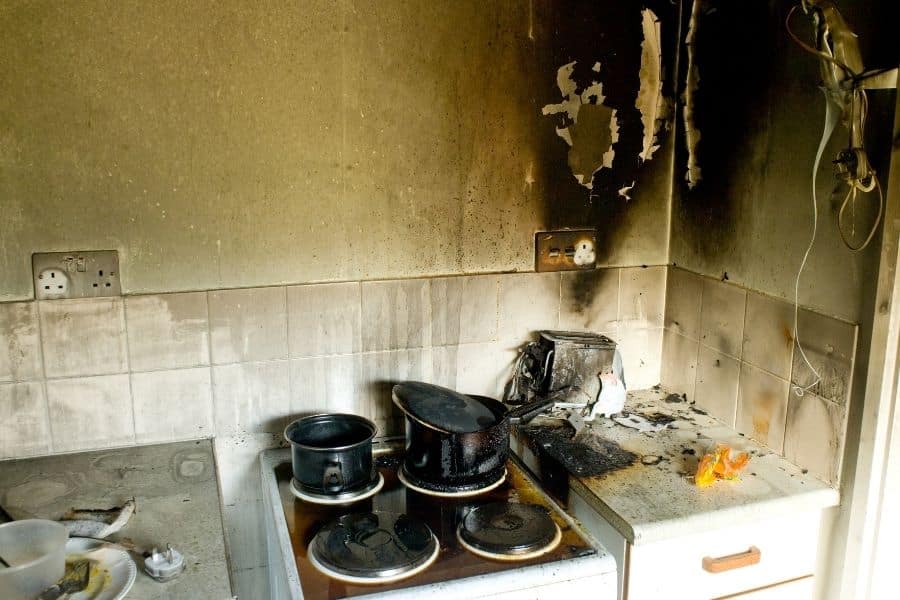
Smoke residue can settle on surfaces throughout your home, even in rooms that weren’t directly affected by flames.
Check for Lingering Odors
A persistent, unpleasant odor that won’t go away no matter how much you clean is one of the earliest signs of hidden smoke damage. That stubborn smell means smoke particles have worked deep into your home’s materials, and air fresheners won’t fix it.
Here are some tips for tracking down where the odor is hiding:
- Sniff around areas with soft textiles like carpets, curtains, and upholstered furniture. These materials trap smoke odor more than hard surfaces.
- Check closets and storage spaces. Limited ventilation makes them prime spots for trapped smells.
- Pay attention to variations in smell intensity from room to room. Stronger odors in certain spots often point to concentrated soot deposits.
While your own sniff test gives you a starting point, professional assessment uncovers what your nose misses. According to the IICRC S500 Standard, proper smoke remediation requires understanding the type of residue involved and matching the treatment method accordingly. That’s what separates a quick fix from a real solution.
Worried About Hidden Smoke Damage?
Our team responds 24/7 with an average on-site time of under 40 minutes across the DFW MetroPlex.
Inspect Walls and Ceilings
Walls and ceilings are magnets for smoke particles, and the damage isn’t always obvious at first glance. Over time, those particles cause discoloration, leave soot stains, and can weaken materials beneath the surface. Start by examining areas with the most direct smoke exposure. Look for changes in color or texture, even subtle yellowing or grayish streaks.
Don’t skip the spots you rarely look at. Attics, areas behind heavy furniture, and corners near the ceiling can hide significant damage. Peeling paint, yellowing wallpaper, or soot streaks in those spaces all signal that smoke has settled in. If firefighting efforts added water damage on top of the fire itself, professional reconstruction services may be needed when structural damage runs deep.
Look for Staining on Fabrics and Upholstery
Soft furnishings are especially vulnerable to smoke damage. Fabrics act like sponges, absorbing both soot and odor. Walk through your home and examine all your textiles: carpets, curtains, throw pillows, and furniture upholstery.
Look for a grayish hue or dark streaks that shouldn’t be there. These are telltale signs of soot in the fabric fibers. If you find them, professional cleaning is the smart move. Specialized techniques remove embedded soot and restore your belongings in ways household products can’t match.
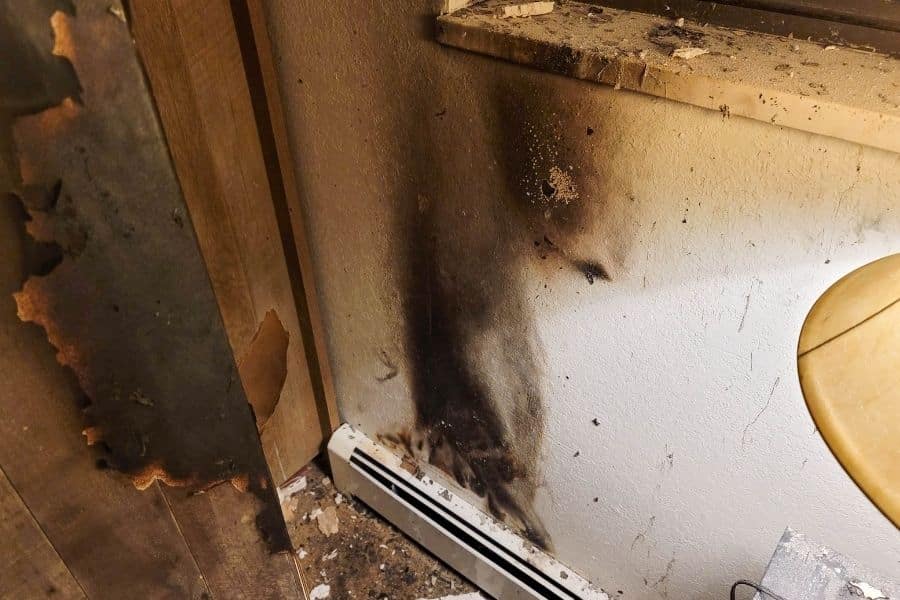
Soot deposits on drywall are a clear indicator that smoke damage has penetrated beyond the surface.
Assess Your Ventilation Systems
Your HVAC system is one of the easiest places for smoke damage to hide. When smoke enters your ductwork, every time you turn on the heat or AC, it circulates those particles right back into your living space. You could be breathing in smoke residue for months without realizing it.
Watch for these warning signs:
- A smoky smell when your heater or air conditioner kicks on
- Visible dust or dark residue around vents and registers
- Increased allergy symptoms or respiratory irritation among household members
The EPA recommends professional duct cleaning when there’s evidence of contamination, and smoke residue qualifies. A professional inspection ensures your system runs efficiently without spreading harmful particles throughout the house.
| Area of Your Home | Common Signs of Smoke Damage | Recommended Action |
|---|---|---|
| Walls & Ceilings | Discoloration, soot streaks, peeling paint | Professional soot removal and repainting |
| Fabrics & Upholstery | Gray hue, dark streaks, persistent odor | Specialized textile cleaning or replacement |
| HVAC & Ductwork | Smoky smell when running, dark residue on vents | Professional duct inspection and cleaning |
| Exterior Surfaces | Staining on siding, hazy windows, damaged shingles | Exterior cleaning and material inspection |
| Closets & Storage | Trapped odors, soot on stored items | Ventilation improvement and deep cleaning |
Examine Your Home’s Exterior
Don’t stop at the front door. Your home’s exterior takes a beating from smoke too. Smoke can leave stains on siding, create a hazy film on windows, and damage roofing materials if left unaddressed.
Walk around your property and check for discoloration on siding, filmy residue on windows, and staining or shingle damage on the roof. These exterior signs might seem cosmetic, but ignoring them leads to material degradation and bigger repair costs later. If you’ve noticed long-term effects of fire damage on your property, acting sooner rather than later can save you thousands.
Why Professional Help Makes the Difference
Smoke damage is sneaky. You can clean surfaces, air out rooms, and replace filters, but embedded particles require professional-grade treatment to truly eliminate. This isn’t just about cleaning. It’s about restoring your home to a genuinely safe condition.
Professional restoration teams use thermal fogging, ozone treatment, and specialized cleaning agents that consumer products can’t match. They understand the science behind different smoke residue types (protein-based, synthetic, wet smoke) and tailor their approach accordingly. The wrong method can actually make certain types of smoke damage worse.
Understanding the health risks of fire and smoke damage is another reason not to delay. Prolonged exposure to smoke residue can trigger respiratory issues and headaches, especially for children, seniors, and anyone with existing conditions.
Ready to Restore Your Home After Fire or Smoke Damage?
Intensa Dry Mold & Water Restoration is a family-owned, IICRC-certified team serving the DFW MetroPlex with free inspections and 24/7 emergency response.
If you’re noticing signs of fire residue around your home and want lasting results, professional fire damage restoration can help eliminate hidden issues effectively. Let Intensa Dry Mold & Water Restoration bring your home back to a clean, safe, and comfortable environment with solutions tailored to your needs.
Frequently Asked Questions
How long does smoke odor last in a home after a fire?
Without professional treatment, smoke odor can persist for months or even years. The particles embed themselves in porous materials like drywall, carpet, and wood. Surface cleaning may reduce it temporarily, but the smell typically returns because the source hasn’t been addressed.
Can smoke damage from a small kitchen fire affect other rooms?
Yes. Smoke travels through air currents and HVAC systems, reaching rooms far from the original fire. Even a minor kitchen fire can deposit soot and odor in bedrooms and living areas through your ductwork.
Will my homeowner’s policy cover smoke damage restoration?
Most homeowner’s policies cover smoke damage restoration as part of fire damage claims. Coverage typically includes structural cleanup, deodorization, and content cleaning. File your claim promptly and document all visible damage with photos before cleanup begins.
Is it safe to stay in a home with smoke damage?
It depends on the severity, but in many cases it’s not advisable. Smoke particles contain chemicals that can irritate the lungs, particularly for children, older adults, and those with respiratory conditions. A professional assessment can determine whether it’s safe to stay during restoration.