Jump To:
Fire damage can be overwhelming for homeowners, leaving behind destruction both visible and hidden. At its core, fire damage restoration is about reversing the impact of a fire and making a house feel like home again. This process involves steps that address not just the apparent problems but also hidden threats that could affect safety and livability. For families across the Dallas-Fort Worth area, understanding these steps can provide clarity and peace of mind.
Acting quickly when fire damage occurs is crucial. Initiating professional restoration promptly can greatly aid in salvaging personal belongings and restoring structural integrity. It’s not merely about fixing what’s been damaged. It’s about creating a safe environment once more. With IICRC-certified professionals at your service, the task of restoration becomes significantly more manageable.
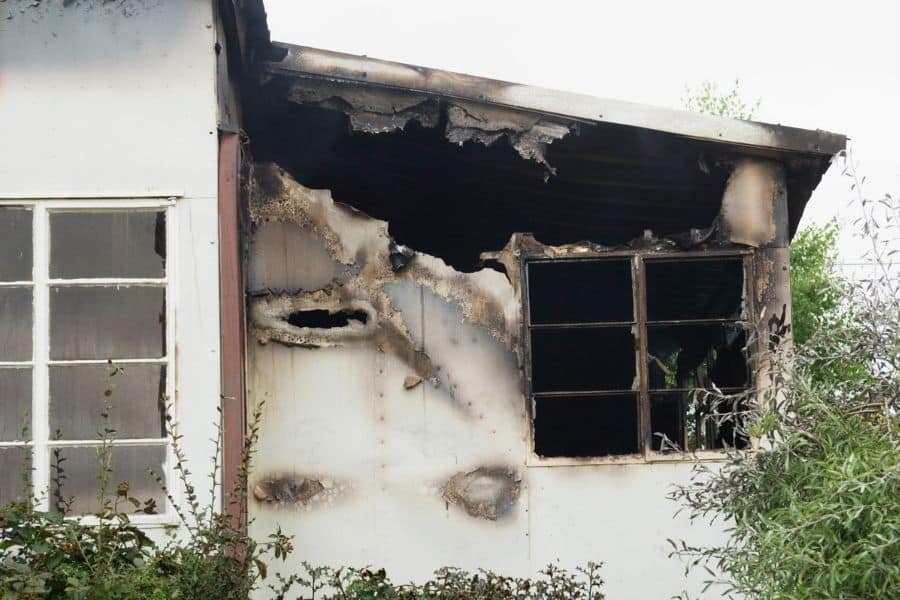
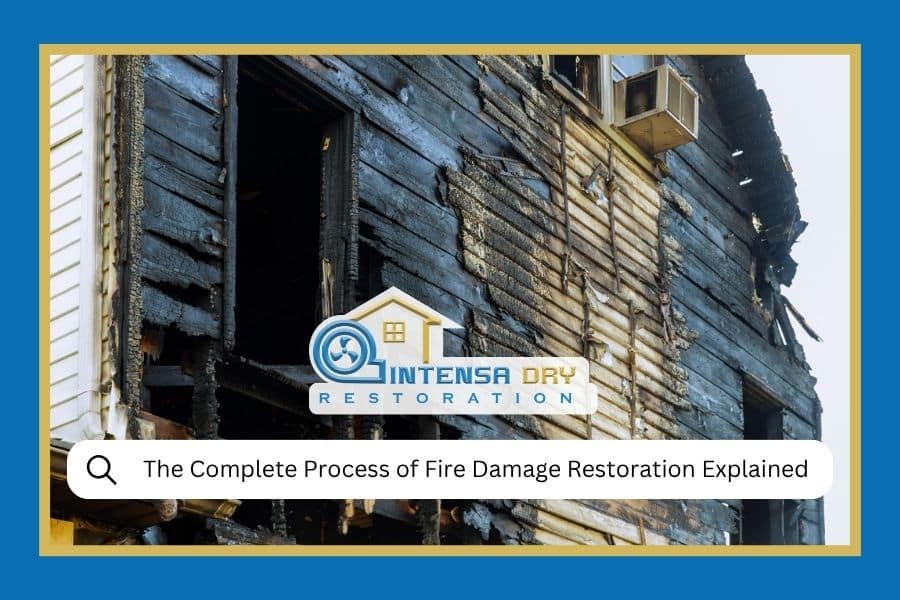
Visible fire damage on a home’s exterior. Acting fast after a fire helps prevent further structural deterioration.
What Happens During the Initial Assessment?
The moment after a fire is a whirlwind of emotions and decisions. The first priority should be to secure your property and ensure everyone’s safety. Here’s where professionals step in.
1. Conducting a Thorough Assessment: Upon arrival, restoration experts perform an exhaustive assessment. They survey the extent of the damage, checking both the obvious and subtle areas that might have been affected.
2. Safety Inspections: The structure will be evaluated for safety risks. Damaged wires, weakened support beams, and potential toxic residues are some of the concerns addressed during this phase.
3. Securing the Property: This involves boarding up windows, reinforcing doors, and covering gaps in the roof to prevent further damage from environmental elements and deter unauthorized access.
4. Documentation for Insurance: Professionals also document the damage extensively. This step is essential for insurance claims, ensuring that nothing is overlooked when filing for financial recovery.
Taking these initial steps helps stabilize the property and sets the groundwork for a smooth restoration process. By addressing immediate safety concerns, homeowners can focus on recovery knowing their property is in knowledgeable hands.
Dealing with fire damage in your home? Our IICRC-certified team responds in under 40 minutes, 24/7.
How Are Debris and Soot Removed After a Fire?
Once initial safety measures are in place, attention turns to clearing out debris and tackling soot. This step is fundamental in returning your home to its pre-fire condition.
Debris Removal: Clearing the site of debris quickly removes hazards and allows for a clearer picture of the work ahead. This includes disposing of charred furniture, burnt materials, and any items beyond repair.
Soot Cleanup Techniques: Soot, which can settle everywhere after a fire, is managed using specialized tools and cleaning agents. High-efficiency vacuums and air scrubbers are often employed to extract it from surfaces and the air.
Addressing Lingering Odors: Unpleasant smoke odors are tackled with deodorizing treatments. These treatments neutralize lingering smells that could remind residents of the fire.
Storing Salvaged Contents: All salvaged contents must be carefully moved out and placed into climate-controlled storage. This protects items not directly damaged by fire from lingering smoke, moisture, or temperature changes during restoration.
The thorough removal of debris and soot significantly reduces lingering odors and creates a safer foundation for the rest of the restoration work.
Typical Fire Damage Restoration Timeline
| Day 1 Assessment, board-up, and securing the property | Days 2-4 Debris removal, soot cleanup, content pack-out | Days 5-10 Deep cleaning, sanitizing, deodorization | Weeks 2-6+ Structural repairs, reconstruction, final walkthrough |
*Timelines vary depending on the extent of damage. Larger projects may take longer.
Why Is Professional Cleaning and Sanitizing So Important?
Once debris and soot have been dealt with, the focus shifts to cleaning and sanitizing the affected areas. This is key for ensuring a safe living environment free from health hazards. The cleaning process involves specialized techniques and equipment.
Professionals clean surfaces to remove lingering soot and smoke particles. High-powered vacuums with HEPA filters capture even the smallest particles floating in the air, improving air quality significantly as you start reclaiming your space.
Sanitizing takes the restoration process a step further by addressing bacteria or toxins introduced by the fire or by water used in firefighting. Experts apply disinfectants across affected areas, targeting both visible and hidden spots. According to the EPA’s guidance on fire and indoor air quality, smoke particles can penetrate deep into building materials and continue affecting air quality long after a fire is out.
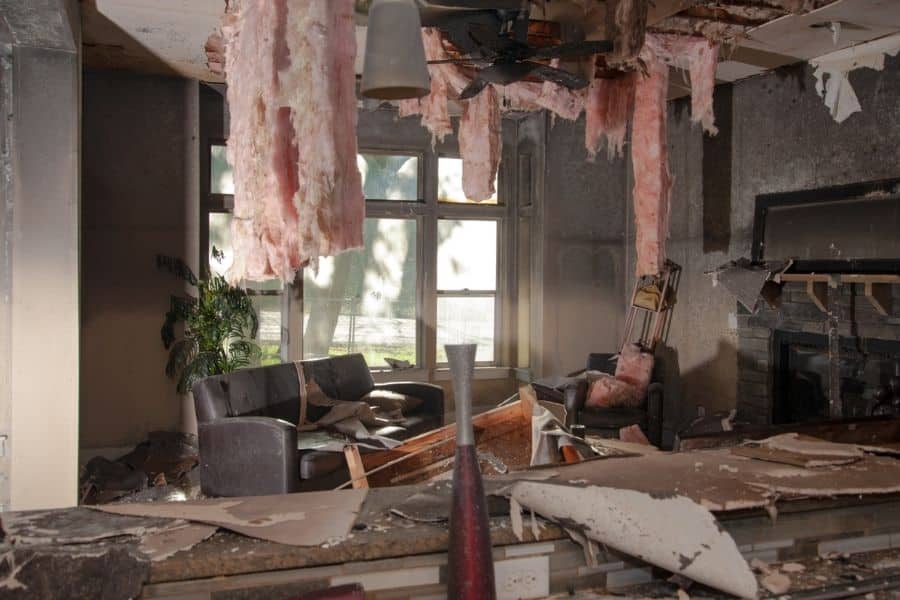
Ceilings and walls showing heavy fire and smoke damage. Professional cleaning addresses both visible soot and invisible toxins.
Specialized equipment such as foggers and ozone machines helps neutralize smells and ensures spaces are safe to occupy. These treatments eliminate odors that settle deep into fabrics and structures. For more detail on this phase, check out our post on cleaning and sanitization after fire damage.
What Does the Restoration and Repair Phase Include?
When cleaning is complete, the restoration can truly begin. This stage focuses on repairing structural elements and restoring integrity to your home.
| Repair Type | What It Covers | Why It Matters |
| Structural Repairs | Roofs, walls, floors, support beams | Restores the home’s safety and structural integrity |
| Water Damage Repairs | Drying, moisture removal, mold prevention | Firefighting water can cause secondary damage if left untreated |
| Cosmetic Restoration | Paintwork, flooring, fixture replacements | Makes the home look and feel like itself again |
Addressing water damage from firefighting efforts is especially crucial. Saturation left behind by fire hoses can lead to mold growth if not dried out properly and quickly.
Each element of restoration requires careful attention to detail. The goal is to restore the home to a level where it offers the same warmth and safety it did before the fire.
Need help with reconstruction after fire damage?
Bringing Life Back to Normal
Rebuilding a life after a fire takes more than just structural repairs. The final stages of restoration focus on those personal touches that make a house a home.
After the major projects wrap up, the last steps include reinstalling furniture, personal items, and family heirlooms. You start arranging spaces to fit your lifestyle once more. This stage fosters a sense of renewal and beginnings, marking a significant step toward emotional recovery.
Fire damage restoration is not just about addressing the physical aftermath but also healing from the experience. Being informed about the steps involved can ease the journey. If you’d like a deeper look at what inspections involve, our guide on fire damage restoration inspections covers what to expect. You might also find our post on health risks from fire and smoke damage helpful for families with young children or elderly members.
A fire can leave behind overwhelming damage, but you don’t have to go through the recovery alone. Let the experienced team at Intensa Dry Mold & Water Restoration guide you through every stage of the process. The IICRC S500 standard outlines the professional protocols our team follows for water damage tied to firefighting efforts. Reach out to our team today to learn how we can help bring safety and comfort back to your space.
Frequently Asked Questions About Fire Damage Restoration
How long does fire damage restoration typically take?
Most projects take a few weeks to several months depending on severity. Minor smoke damage can be resolved in under two weeks, while major structural repairs may take six weeks or longer.
Can I stay in my home during fire damage restoration?
In most cases, homeowners need to temporarily relocate. Fire-damaged homes pose health and safety risks from compromised structures, airborne soot particles, and chemical residues. Your restoration team can help coordinate temporary housing.
Does homeowner’s insurance cover fire damage restoration?
Most homeowner’s policies cover fire damage restoration, including structural repairs, smoke cleanup, and temporary living expenses. Document everything thoroughly and work with your restoration company on the claims process. Coverage varies by policy, so review yours carefully.