The restoration industry does essential work. After floods, fires, and storms, restoration crews are the people who show up and make a disaster feel survivable again. But as a field, it runs on a patchwork of inconsistent standards, undertrained workforces, and no real national framework to hold it all together. At Intensa Dry Mold & Water Restoration Restoration, we’ve been doing water damage cleanup and mitigation in the Dallas-Fort Worth area long enough to know these problems aren’t unique to us. They’re industry-wide. And they’re fixable, but only if the industry decides to take them seriously.
This article isn’t about selling our services. It’s about a bigger conversation that restoration professionals, policymakers, and insurance carriers need to start having.
The Fragmentation Problem Nobody Talks About
Restoration is one of the most fragmented service industries in the country. Thousands of independent operators, regional players, and national franchise brands all work under the same general category with no consistent baseline connecting them. Certifications exist. The IICRC sets professional standards for water, fire, and mold restoration. But IICRC certification isn’t universally required to operate. Any contractor can respond to emergencies with no vetting, no training floor, and no accountability after the job is done.
That creates real problems. For homeowners, outcomes vary wildly depending on which company shows up first. One crew follows drying protocols to the letter and documents everything for insurance. The next throws fans in a room and calls it done. Both technically “restored” the property. Only one actually fixed the problem.
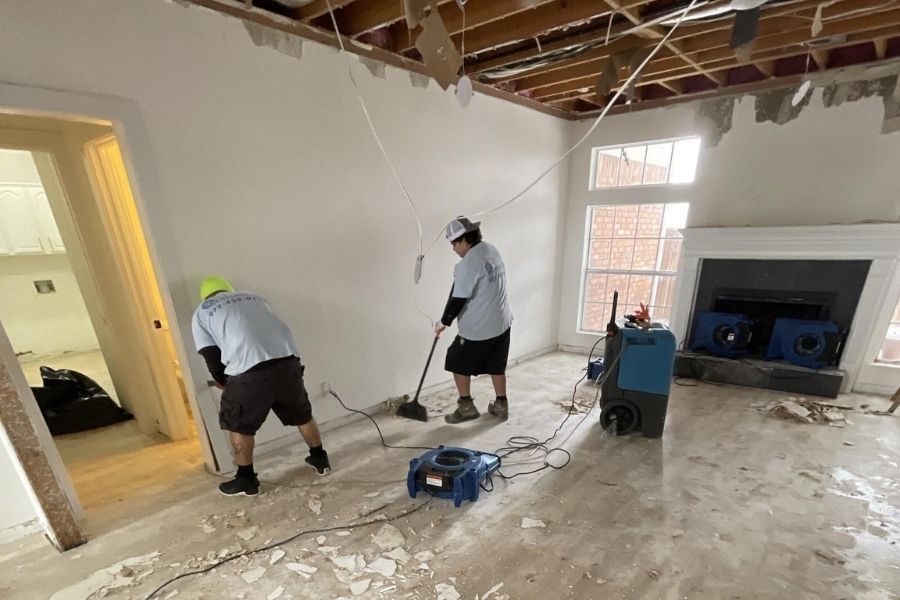
Proper equipment setup and trained technicians are the difference between a real restoration and a surface fix. Standardized protocols make this consistency possible at scale.
Why the Standardization Gap Hurts Homeowners
When there’s no floor on quality, homeowners absorb all the risk. They call whoever answers first. They accept whatever process is described to them. Then, months later, they find mold behind a wall that was supposedly dried out, or discover structural damage a proper assessment would have caught on day one.
The standardization gap produces measurable downstream harm:
- Secondary damage that should have been prevented, including mold growth and structural decay
- Insurance disputes over whether work was performed to standard
- Homeowners unable to verify restoration was complete before reconstruction started
- Repeat service calls for problems that were never fully resolved the first time
Other skilled trades have figured out how to maintain quality floors while still allowing independent operators to thrive. Restoration hasn’t gotten there yet.
Dealing with water or fire damage in DFW right now?
Our team at Intensa Dry Mold & Water Restoration Restoration responds in under 40 minutes, 24/7. IICRC-certified, family-owned, and built around doing things the right way.
Workforce Development and the Staffing Cycle
There’s a workforce problem running underneath everything else. Restoration requires trained technicians who can operate specialized equipment, read moisture data, make quick judgment calls in damaged structures, and communicate clearly with stressed property owners. Finding and keeping those people is hard.
Without standardized training pipelines, most companies build their workforce from scratch. New technicians learn on the job, which develops intuition but doesn’t build consistent competency. When that person leaves, the knowledge walks out with them.

Structured checklists are a meaningful part of building repeatable quality into restoration work. They’re the kind of tool a standardized industry model makes universal rather than optional.
A franchise-based infrastructure introduces something individual operators can’t easily build alone: a shared training ecosystem. Apprenticeship tracks. Competency benchmarks. Cross-company credential recognition. Construction, electrical, and HVAC trades use versions of these routinely. Restoration hasn’t caught up.
| Factor | Current Reality | With Standardization |
|---|---|---|
| Training baseline | Varies by company | Industry-wide floor |
| Credential portability | Limited | Recognized across markets |
| Quality consistency | Company-dependent | Protocol-enforced |
| Job creation pathway | Ad hoc hiring | Structured apprenticeship tracks |
What a Franchise-Based Infrastructure Could Fix
The word “franchise” makes some people nervous. It sounds like corporate homogenization. That’s not the argument. Franchise systems, at their best, create a shared operational foundation that individual businesses build on: quality standards, documentation protocols, equipment requirements, customer communication frameworks.
A well-designed model would let independent operators stay independent while meeting a national quality baseline. Think less McDonald’s, more licensed contractor framework with shared best practices and market accountability.
One of the clearest wins would be response time transparency. Right now, homeowners have no way to verify how quickly a company will actually respond. Response time claims are marketing, not metrics. A standardized system creates documented, verifiable benchmarks. Companies that meet them earn a recognized designation. For homeowners facing a water damage restoration emergency, that’s actionable information, not just a promise on a website.
Insurance and National Policy Implications
Insurance carriers have a massive stake in this conversation. Inconsistent restoration quality creates unpredictable claim outcomes. A property “restored” by an undertrained crew is a liability waiting to resurface. Secondary damage claims, mold disputes, and structural deterioration traced back to poor initial work cost carriers far more than a rigorous first restoration would have.
Standardization would let carriers tier their vendor networks by verified quality benchmarks rather than relationship and price alone. That benefits good operators and pressures bad ones to improve or exit. The FEMA National Flood Insurance Program already recognizes that disaster response quality affects long-term loss ratios. Restoration carriers would benefit from applying the same thinking.
Standardized documentation also solves a friction point nobody likes. When every company documents jobs differently, adjusters reconcile formats instead of evaluating damage. Common scope templates and moisture log standards would streamline claims for everyone. Faster, cleaner claims mean lower costs for carriers, faster payouts for homeowners, and less dispute for restoration companies trying to get paid for legitimate work.
Zoom out further and the stakes get bigger. A fragmented, inconsistently performing restoration industry is a national resilience problem. When homes can’t be properly restored after disasters, communities take longer to recover, families stay displaced longer, and property values erode. For a look at what full-scope restoration and reconstruction services actually involve at the ground level, our recent jobs page shows real work from real DFW properties.
Serving Plano, Frisco, McKinney, Allen, and the wider DFW area
Our team at Intensa Dry Mold & Water Restoration Restoration brings IICRC-certified expertise and 20 years of combined experience to every job. We do this work the right way, because the industry should hold itself to a higher bar.
Frequently Asked Questions
Why doesn’t the restoration industry already have national quality standards?
The IICRC provides voluntary certification standards, but there’s no federal or state mandate requiring all restoration contractors to meet them before operating. Because the industry developed through independent operators and regional franchises rather than a centralized trade body, consistent enforcement never took hold. The result is a wide quality range with no real accountability floor.
How does inconsistent restoration quality affect insurance claims?
Inconsistent restoration work creates secondary damage claims that insurers end up paying later, including mold, structural issues, and repeat repairs. When documentation formats vary between companies, claims processing takes longer and disputes are more common. Standardized protocols would reduce both downstream damage and administrative friction.
Would a franchise-based model eliminate independent restoration companies?
No. The argument for franchise-based infrastructure is about creating a shared quality baseline that independent operators can meet while still running their own businesses. Plumbing, electrical, and HVAC trades work this way. Companies compete on service and reputation within a framework that protects consumers from inconsistent quality.
What would standardized restoration training pipelines look like in practice?
A standardized pipeline would include entry-level competency benchmarks, apprenticeship tracks with recognized milestones, and credentials that transfer between companies and markets. New technicians would enter with a verified baseline of skills, reducing the time and cost companies currently spend on remedial training.