Jump To:
Water damage in bathrooms can sneak up on you. One day everything’s fine, the next you’re facing warped floors or mold. Here at Intensa Dry Mold & Water Restoration Restoration, we’ve responded to over 2,000 water damage emergencies across Dallas-Fort Worth. Our IICRC-certified team arrives in under 40 minutes because quick action prevents costly problems.
Whether you’re dealing with shower leaks or want to stay ahead of trouble, understanding warning signs and taking preventive steps saves thousands in water damage restoration costs. Let’s get started.
Detect Early: Watch for Hidden Bathroom Water Damage Signs
That musty smell? It’s a warning. According to the EPA, persistent moisture and musty odors indicate mold growth, often hidden behind walls. Other red flags include warped tiles, peeling paint, soft drywall, and bubbling wallpaper.
Check grout and caulking regularly. Cracked caulk allows water to seep into walls or beneath floors. Reapply annually, especially around tubs and showers. A mysterious spike in your water bill could signal hidden leaks that need early detection.
Seal and Shield: Grout, Tiles, and Caulking Protection
Waterproofing starts with your tile joints. When grout cracks, water seeps through and undermines tile adhesion. The subfloor takes the hit.
Use high-quality silicone caulk around tub edges and grout sealant after cleaning. This simple maintenance dramatically reduces water infiltration and prevents mold.
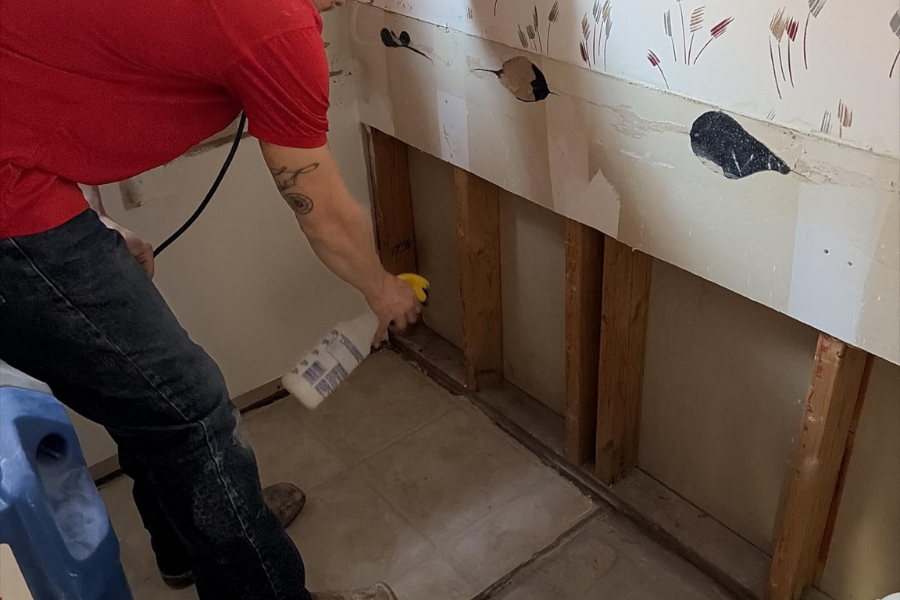
Professional bathroom restoration often requires complete sanitization after water damage compromises structural materials.
Consider water-resistant flooring like vinyl or sealed ceramic. Pair this with absorbent bath mats strategically placed, and you’ve created multiple protection layers against spills.
Spotted Signs of Bathroom Water Damage?
Don’t wait for problems to spread. Our certified technicians respond in under 40 minutes across DFW.
24/7 Emergency Service • (972) 992-7331
Patrol Plumbing: Prevent Common Bathroom Leaks and Fixes
A small faucet drip can destroy your bathroom’s structure. That constant moisture creates perfect conditions for rot and mold.
Inspect under sinks and around toilet bases monthly. Check plumbing valves. Loose connections or worn washers lead to hidden pipe drips that cause water damage behind cabinets and walls.
Upgrade old fixtures when you spot wear. Modern faucets and showerheads reduce leak risk and slash water usage. Know where your water shut-off valve is located, especially during vacations.
Quick Plumbing Inspection Checklist:
- Under-sink areas: Look for moisture or cabinet warping
- Toilet base: Check for water rings or rocking
- Faucet connections: Tighten fittings, replace washers
- Supply lines: Replace braided hoses every 5-7 years
Ventilate Smartly: Reduce Moisture and Stop Mold Growth
Bathroom ventilation isn’t optional. Excess humidity fuels mold, especially in tight spaces. Run a powerful exhaust fan during showers and for 15 minutes after.
Have a window? Crack it open for airflow. Keep the fan vent clean and replace filters as needed. A clogged exhaust fan loses effectiveness.
Know the Signs and Respond Quickly: Overflow, Clogs, and Spills
Toilet overflows happen. When they do, shut off the water supply immediately, push down the flapper, and clear clogs with a plunger. Don’t flush again.
For tubs and sinks, turn off faucets, mop up water immediately, and address slow drains with a snake or baking soda and vinegar. Standing water damages cabinets within hours and invites mold within 24-48 hours according to IICRC standards.
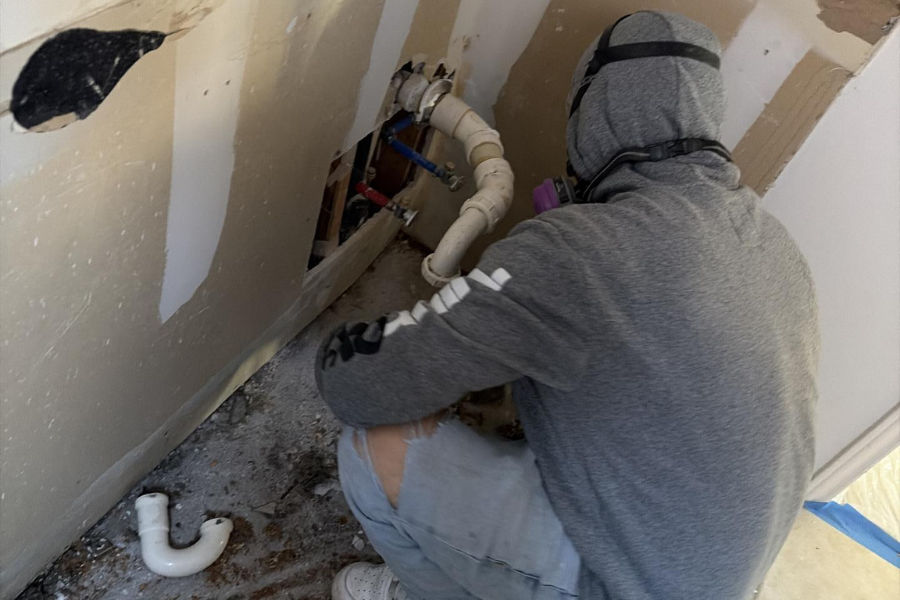
Severe bathroom water damage often requires controlled demolition to access hidden moisture and prevent structural issues.
Act promptly. Extract standing water with towels or a wet/dry vacuum. Open windows, run fans, and contact professional restoration services if water has penetrated subflooring or walls.
Emergency Response Times Matter
| Time Frame | What Happens | Action Required |
|---|---|---|
| 0-24 Hours | Water penetrates porous materials | Extract water, run dehumidifiers |
| 24-48 Hours | Mold spores begin colonizing | Professional drying essential |
| 48+ Hours | Visible mold, structural damage | Full restoration often required |
Protect Surfaces: Cabinets, Floors, and Walls from Water Exposure
Cabinets and walls near plumbing are especially vulnerable. Water splashes, leaks, or vapors creep in silently. Use waterproof mats near sinks and tubs, and wipe down spills immediately.
Seal exposed wood cabinets with water-resistant finishes. Check cabinet interiors periodically for moisture, discoloration, or musty odors.
Spot discolored baseboards? Buckling floors? Wallpaper bubbling? Those are signs of water damage. Intervention now prevents extensive issues. Replace damaged drywall or subfloor promptly.
💡 Pro Tip from Intensa Dry Mold & Water Restoration Restoration:
In our 20+ years serving DFW, we’ve found most bathroom water damage originates from three sources: faulty toilet wax rings, deteriorated shower pans, and failed caulking. Inspecting these twice yearly prevents 80% of emergencies.
Plan Ahead: Costs, Insurance, and Professional Help
Prevention is cheaper than repair. Still, if damage happens, know your options. Minor resealing costs little, while mold removal or structural repair escalates quickly.
Check if your insurance has bathroom water damage coverage. Standard policies often cover sudden incidents like burst pipes but not slow leaks or maintenance neglect. Review your policy.
In severe cases, professional water damage restoration ensures proper drying, mold removal, and repair. We use industrial dehumidifiers, HEPA filtration, and moisture meters. Understanding what the restoration process involves helps you make informed decisions. We handle Category 2 or Category 3 water issues safely per industry standards.
When to Call Intensa Dry Mold & Water Restoration Restoration:
- Standing water that won’t drain
- Water damage behind walls or under floors
- Visible mold growth larger than 10 square feet
- Sewage or contaminated water backup
- Structural concerns like sagging ceilings
Our team responds in under 40 minutes to homes across Plano, Frisco, McKinney, Allen, Richardson, Garland, Wylie, and Lewisville. We handle insurance claims directly.
Wrap-Up
Smart prevention and fast response protect against bathroom water damage. By spotting signs early like warped tiles or musty odors, you stay ahead of costly problems. Sealing grout, refreshing caulk, and proper ventilation keep moisture at bay.
Routine plumbing checks stop leaks before they escalate. Timely action on overflows prevents damage spread. Waterproofing vulnerable surfaces adds protection.
Know your insurance coverage and when to call restoration professionals. Use these tips to safeguard your bathroom’s comfort and longevity.
At Intensa Dry Mold & Water Restoration Restoration, we’re here 24/7 when prevention isn’t enough. Call (972) 992-7331 for immediate help across Dallas-Fort Worth.
Frequently Asked Questions
How often should I reseal grout and caulking in my bathroom?
Reseal once a year or sooner if you notice cracks or discoloration. This maintains a waterproof barrier. High-traffic bathrooms may need resealing every 6-9 months. Look for crumbling grout, caulk pulling away from surfaces, or mildew signs.
Can I prevent mold just by using ventilation?
Ventilation dramatically reduces moisture, but you must also seal grout and fix leaks promptly. Together, these steps significantly inhibit mold growth. Ventilation alone can’t address moisture from hidden leaks or compromised waterproofing. A multi-layered approach works best.
When should I call a professional for bathroom water damage?
Call professionals if you see mold beyond surface level, large-scale leaks, contaminated water, or structural damage like sagging ceilings. Mold begins colonizing within 24-48 hours per IICRC standards. At Intensa Dry Mold & Water Restoration Restoration, we respond in under 40 minutes to minimize damage across DFW.
Does insurance usually cover bathroom water damage?
Coverage varies. Standard homeowner policies cover sudden incidents like burst pipes but not slow leaks or maintenance neglect. Document damage immediately with photos, keep receipts, and contact your insurer within 24 hours. We work directly with insurance adjusters to streamline claims.