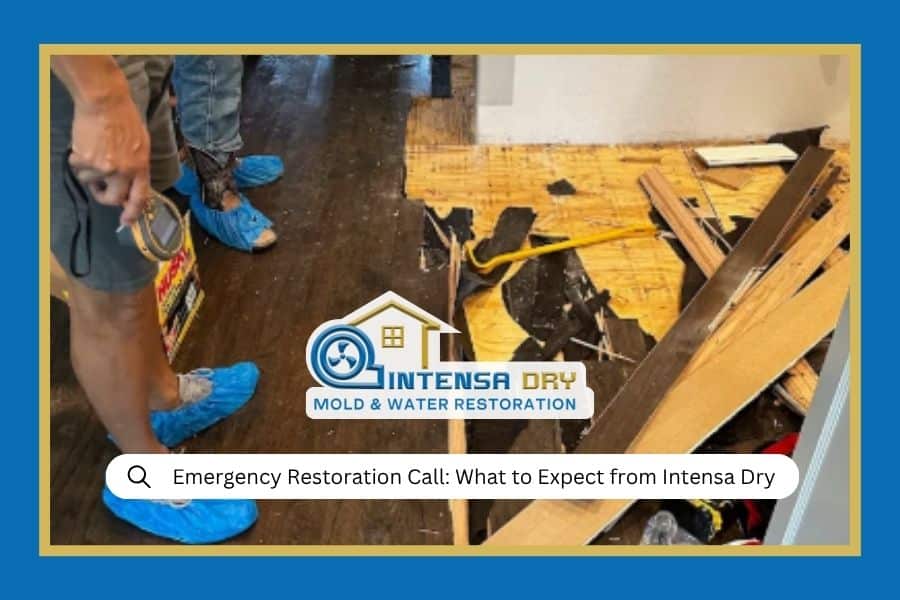
Picture a normal Tuesday cut short by a burst pipe in the kitchen. Water spills across the floor and you freeze. That moment is when making an emergency restoration call becomes the most important move you can make. Storm, leak, busted pipe, fast action limits the damage.
Here in the DFW MetroPlex, our IICRC-certified team at Intensa Dry Mold & Water Restoration handles these calls every week. We show up, take charge, and get your home back on track. Knowing what to expect makes the whole process less scary.
Initial Assessment: The First Step in Restoration
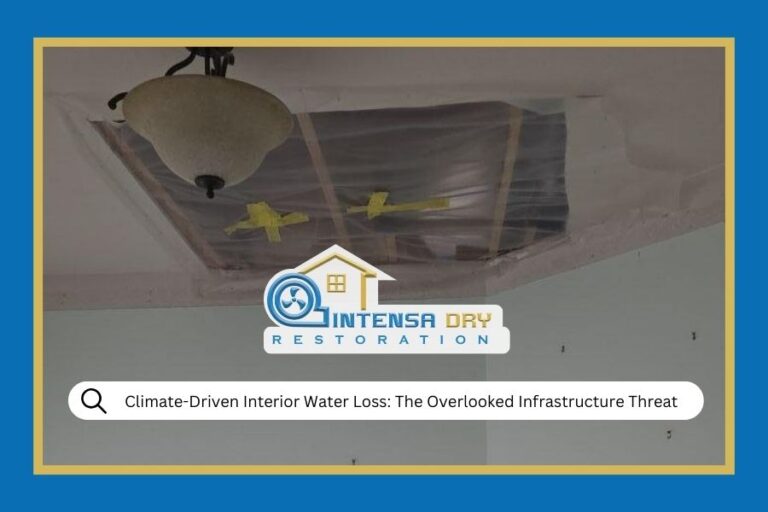
The team’s first move is a full look at the damage. This step finds every problem spot and sets the stage for repairs. Think of the crew as home detectives. They hunt for clues like soggy carpet or damp patches hiding behind walls.
The crew uses heat cameras and moisture meters to find water you can’t see. Big deal? Yes. The IICRC S500 standard calls moisture mapping a must. Skip it, and water sitting in the walls can grow mold or eat away at the framing over time.
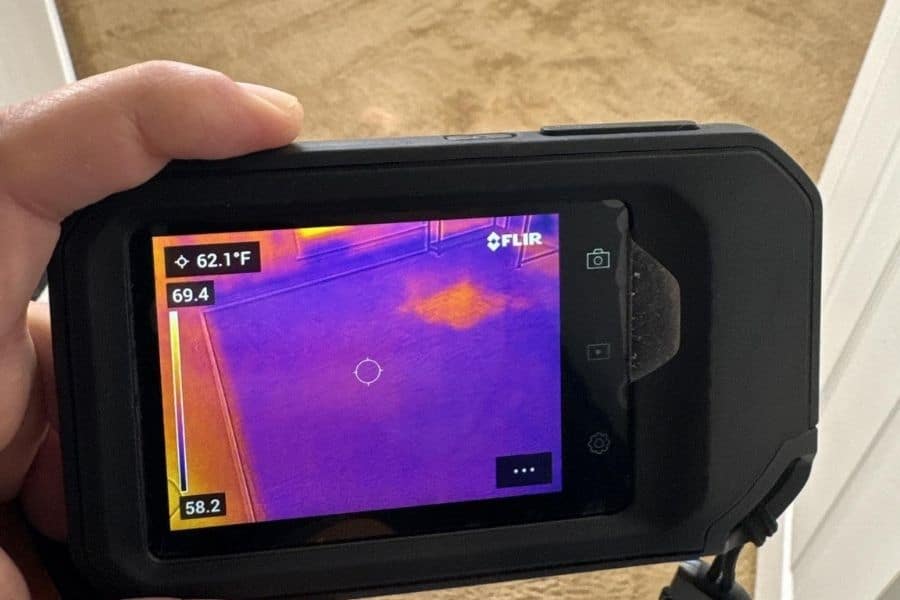
Heat cameras help find hidden moisture that causes lasting damage if left alone.
The assessment covers:
- Checking for wet carpets, damp walls, or warped floors
- Looking for damage to the structure itself
- Spotting safety risks like wiring issues or early mold
- Talking through the top needs with you
Once the team understands which areas are most affected, they can map out the right approach. Nothing gets overlooked. If you’ve already noticed hidden signs of water damage, that context helps the team move faster.
Dealing with sudden water damage?
Our team responds in under 40 minutes across the DFW MetroPlex, 24/7.
How Is the Action Plan Created?
Next, the team puts a plan on paper. This roadmap lays out each task in order of urgency so nothing gets missed. Every plan looks different because every home and every mess is different.
The plan typically includes:
- Ranking tasks by urgency (standing water first, drying next)
- Picking the right gear for the type of damage
- Putting trained people on the right jobs
- Setting a clear timeline
Clear talk matters here. Your crew should walk you through each step so you know what’s going on. They’ll also work with your insurance if needed, keeping notes on what they do. If your home also has fire or smoke damage, the plan will cover soot cleanup, odor work, and dryout from firefighting water.
What Happens During Water Extraction and Repairs?
With the plan set, the crew gets to work. Water removal comes first. Big pumps and truck-mounted vacuums pull standing water out while air movers and dehumidifiers start drying things down.
Speed matters more than most people think. The EPA notes that mold can grow within 24 to 48 hours after water exposure. That’s why calling early, even before you fully get the scope of the damage, gives you a real edge.
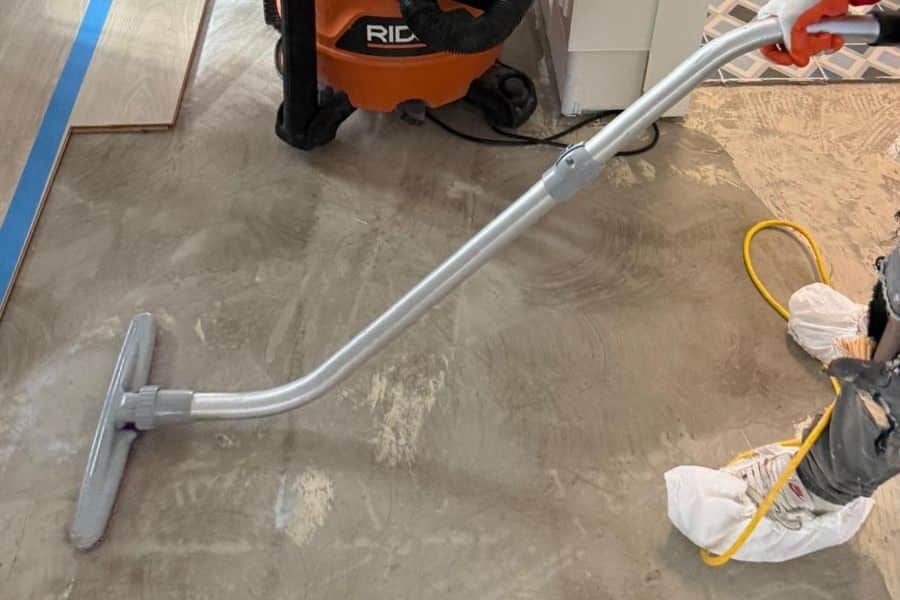
Big pumps pull water out fast, cutting the risk of mold and weak spots in the structure.
Once extraction wraps up, repairs begin:
- Ripping out and swapping soaked drywall, padding, or flooring
- Checking and fixing any wiring that got wet
- Making sure HVAC units are safe to run
- Dealing with dirty water or sewage if that’s part of the event
Stay in touch with the team while this work is going on. It helps keep things on track. For a closer look at the drying steps, our post on the four phases of water damage restoration breaks it all down.
Timeline: What to Expect After You Make the Call
1 Under 40 Min Team arrives, starts assessment | 2 Hours 1 to 4 Water extraction and drying setup | 3 Days 1 to 5 Structural drying and monitoring | 4 Final Stage Repairs, inspection, sign-off |
Final Inspection and Follow-Up
The last step is a full check to make sure every repair is done right and your home is safe again. Think of it like the final walkthrough when buying a house, but the focus is on moisture, air quality, and how solid things are.
The inspection covers:
- Making sure all repairs look and feel right
- Scanning for any leftover moisture with meters
- Testing smoke alarms and CO detectors
- Checking that the air inside is clean again
Follow-up visits may be offered to check on your home after the gear is packed up. A good company doesn’t just vanish. They come back a week or two later, run their meters again, and make sure nothing new has popped up.
What Can You Do Before the Team Arrives?
While you wait for the crew, a few quick steps can cut down the damage and help the team hit the ground running. No special tools needed.
Quick-Response Checklist:
- Shut off the water supply if a plumbing issue caused the damage
- Switch off electricity to affected areas if you can safely reach the breaker
- Move valuables, electronics, and documents to a dry spot
- Take photos and video for insurance
- Open windows if weather allows for air circulation
- Avoid using a household vacuum on standing water
Our guide on what to do while waiting for the restoration team goes deeper into each of these steps. And if you need full reconstruction after severe damage, that’s a service we handle too.
Restoring Your Home, Restoring Your Peace of Mind
From the first phone call to the final check, working with a pro team turns a bad day into a clear path forward. The right crew doesn’t just fix what broke. They bring know-how, the right tools, and a real drive to get your home back to where it should be.
If you’re in Plano, TX or anywhere in the DFW MetroPlex and need fast help, Intensa Dry Mold & Water Restoration is ready. We show up around the clock with the gear and skills to handle anything from a small kitchen leak to a two-story water loss. Contact us anytime, day or night.
Frequently Asked Questions
How quickly should I call a restoration company after water damage?
Call right away. Mold can start growing in 24 to 48 hours. Drywall and carpet soak up more water the longer they sit. The sooner a team starts pulling water out, the less it’ll cost to fix.
What should I have ready when the restoration team arrives?
Grab your insurance info, take photos of the damage, and clear a path to the wet areas. If you already shut off the water or power, let the team know when they get there.
Will my homeowner’s insurance cover an emergency restoration call?
Most standard policies cover sudden water damage like a burst pipe. Flooding from outside usually needs its own flood policy. A good crew will help log the damage and work with your adjuster to make the claim easier.
Can I stay in my home during the restoration process?
For smaller events in one room, you can usually stay while drying gear runs. Bigger losses with dirty water or major damage may mean staying somewhere else for a few days until the work wraps up.