Jump To
Fire damage to your floors is one of the messiest parts of recovery. And it rarely stops at what you can see. If your carpet or hardwood took a hit, professional fire damage restoration in Plano tells you what can be saved and what can’t.
Our team at Intensa Dry Mold & Water Restoration is IICRC certified, and we’re here to walk you through it without the guesswork, from the first free inspection to the final walkthrough.
Carpet and flooring take the brunt of a house fire. Heat warps them, smoke soaks into them, and the water used to put the fire out finishes the job. Acting fast makes a real difference in what you get to keep. Wait too long, and even lightly damaged materials can turn into a mold problem.
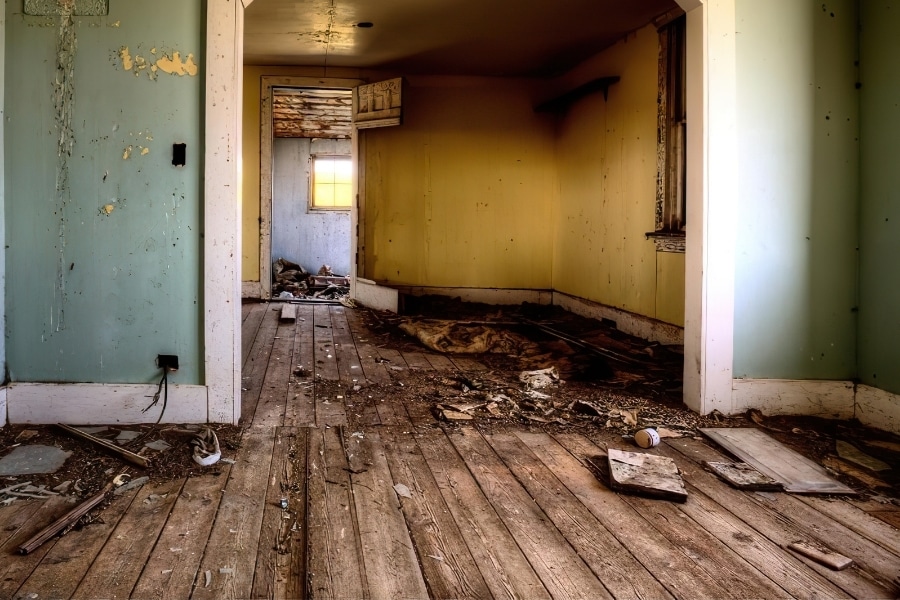
Heat, smoke, and firefighting water each leave their own mark on wood flooring, which is why a proper assessment comes before anything else.
How Bad Is It? Start With a Full Assessment
The first step is a careful assessment of the damage. Trained pros look at heat exposure, how deep the smoke went, and any water left behind from firefighting. That single evaluation decides everything else: whether your carpet gets cleaned or hauled away, and whether the subfloor underneath is still sound.
Fire damage loves to hide. Soot works its way under baseboards, and moisture wicks into the subfloor where you can’t see it. We check the structure too, not just the surface, so nothing gets missed. If you want to know more about the sneaky stuff, here’s a look at how to spot hidden fire damage in your home.
This detailed look becomes the roadmap. It tells us where to focus, what can be saved, and what timeline you’re realistically working with.
Safety First: What’s Hiding in Scorched Floors
Safety comes before cleanup, every time. A fire-damaged floor can hide weakened joists, exposed nails, live electrical hazards, and soot that isn’t great to breathe. Before anyone starts pulling up carpet, we spot those risks and gear up for them.
Proper protective equipment isn’t optional here. Our technicians wear the right respirators and gear to avoid inhaling fine particles or touching harmful residues. The American Red Cross recommends staying out of a fire-damaged home until it’s cleared as safe, and that’s advice worth taking. You can read their home fire recovery guidance for the full picture.
Then there’s the water. Firefighting soaks everything, and standing moisture under flooring is a fast track to mold. Handling that early is part of solid water damage restoration, and it protects the floors that survived the flames.
The First 24 Hours: Emergency Cleanup
Speed matters most in the first day. Our teams get on-site quickly to clear debris, remove charred materials, and pull out the water firefighters left behind. Every hour you shave off cleanup is an hour mold doesn’t get to grow.
Early cleanup does two jobs at once. It rescues the flooring that can still be saved, and it stops secondary damage before it spreads. Advanced techniques target smoke and soot right away, before they settle deeper into surfaces and become permanent.
One more thing we handle from the start: documentation. We photograph the damage and keep clear records as we work. That makes your insurance claim far easier to file. Good notes now save real headaches later.
Smoke, Soot, and That Stubborn Odor
Smoke and soot are sneaky. They cling to carpet fibers and seep into flooring, causing stains and that smell that just won’t quit. We use special cleaning agents and gear to lift both the visible grime and the residue you can’t see.
Those particles aren’t only ugly, they’re a health concern. The EPA notes that soot and ash left indoors can irritate your eyes, skin, and lungs, which is why cleanup needs the right method and protection rather than a wet rag and hope. Their indoor air quality guidance backs this up.
Odor is its own beast. Masking it never works for long. We use thermal fogging, ozone treatment, and targeted deodorizers to actually neutralize the smell at the source, so your home smells like home again instead of a campfire.
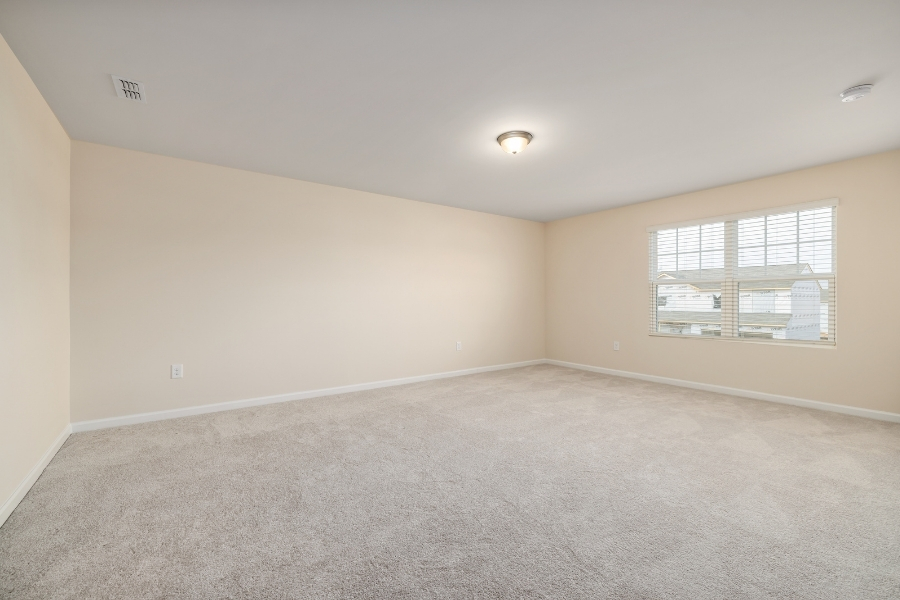
With the right cleaning, deodorizing, and rebuild work, a smoke-filled room can look and smell like new again.
Can Your Floors Be Saved? A Quick Guide
Some materials bounce back, and some don’t. Here’s a rough guide to what usually survives a fire and what typically needs replacing. Your inspection gives the final word, but this helps set expectations.
| Flooring Type | Often Salvageable | Usually Replaced |
| Carpet | Light smoke, minor soiling | Soaked, scorched, or heavy soot |
| Hardwood | Surface soot, light heat marks | Buckled, charred, or water-warped |
| Tile | Cleanable in most cases | Cracked from heat or fallen debris |
| Subfloor | Dry, structurally sound | Water-saturated or fire-weakened |
1 Assess & Document Photograph everything for insurance and pinpoint the damage. | 2 Extract & Remove Pull out water, debris, and materials that can’t be saved. | 3 Clean & Rebuild Deodorize, restore what’s salvageable, and rebuild the rest. |
When Flooring Can’t Be Saved
Sometimes materials are too far gone. Charred boards, soaked padding, and warped subfloor have to come out for both safety and a clean rebuild. We remove and dispose of those pieces properly, then take a close look at whatever’s underneath.
Clearing out the unsalvageable stuff isn’t just about looks. It removes potential health hazards and gives us a solid base to build on. From there, we can handle the rebuild in-house, so you’re not juggling five different contractors while trying to get your life back.
Should You DIY or Call the Pros?
You can handle small cleanup tasks yourself, but full fire restoration is a different animal. Trained crews spot hazards you’d miss, prevent further damage, and know how to treat smoke and soot without spreading them around. That experience is the difference between a floor that’s clean and one that just looks clean.
Not sure where the line is? We broke it down in this guide on DIY versus professional fire restoration, and if you want the big-picture view, here’s what fire damage restoration actually involves. Bringing in a pro early usually saves money and stress down the road, not the other way around.
Bottom line: restoring floors after a fire takes a clear plan, real safety precautions, and honest evaluation. Swift action and expert help set you up for a full recovery, and a home that feels like yours again. Our team serves Plano and the greater DFW MetroPlex, with 24/7 emergency response when you need us most.
Frequently Asked Questions
Can carpet really be saved after a house fire?
Sometimes, yes. Carpet with light smoke exposure and minor soiling can often be deep cleaned and deodorized. If it’s scorched, soaked with firefighting water, or heavily soot-stained, replacement is usually the safer call.
How soon should I start flooring restoration after a fire?
As fast as possible. Smoke and soot keep setting into surfaces, and leftover water invites mold within a day or two. Quick action gives more of your flooring a fighting chance and keeps costs from climbing.
Why does my floor still smell like smoke after cleaning?
Because surface cleaning doesn’t reach the odor trapped deep in fibers, padding, and subfloor. Neutralizing it takes methods like thermal fogging or ozone treatment. If the smell keeps coming back, the source likely hasn’t been fully treated yet.
Does Intensa Dry Mold & Water Restoration handle both cleanup and rebuild?
We do. Our team manages the full process, from emergency cleanup and soot removal through reconstruction, so you get everything under one roof instead of coordinating multiple crews across the Plano area.