- What Climate Change Risks Do Plano Homes Face?
- Assessing Vulnerabilities in Residential Structures
- Sustainable Construction Materials and Practices
- Energy-Efficient Home Design Principles
- Integrating Green Technologies for Climate Resilience
- Smart Home Solutions for Adaptive Living
- Landscaping for Flood Mitigation in Plano
- Community Engagement and Disaster Preparedness
- Insurance Strategies for Climate-Resilient Homes
- When Should You Bring In Professional Help?
- Building Climate-Ready Homes in Plano
- Frequently Asked Questions
In the face of escalating climate change impacts, the city of Plano recognizes the imperative to fortify its residential infrastructure. In this guide, our IICRC-certified team at Intensa Dry Mold & Water Restoration explores innovative approaches to Plano home reconstruction aimed at enhancing the resilience of homes within the community.
We’ll walk through the challenges posed by extreme weather events, offering insights into sustainable construction, energy-efficient technologies, and strategic design principles. Think of it as a blueprint for homeowners seeking to fortify their dwellings against the unpredictable forces of nature.
What Climate Change Risks Do Plano Homes Face?
In comprehending the climate change risks specific to Plano, it is essential to recognize the region’s susceptibility to a spectrum of environmental challenges. Rising temperatures, increased frequency of extreme weather events, and shifting precipitation patterns pose significant threats to the community. Plano faces the risk of more intense heatwaves, potential flooding, and disruptions to its ecosystems.
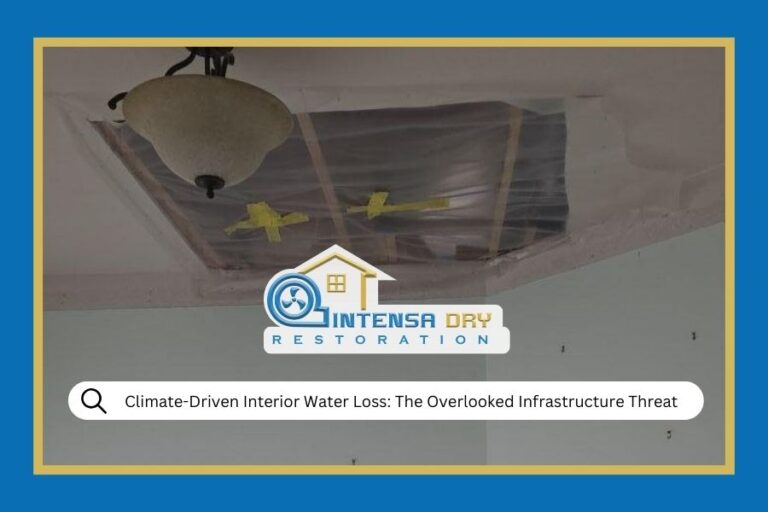
North Texas weather has never been accused of being boring. In one year, our crews can dry out homes after spring flash floods, tornado-season roof leaks, and pipes that burst in a January freeze. We’ve also covered how climate-driven interior water loss affects homes.
1Heavy Rain and Flash Flooding
2Tornadoes, Hail, and High Winds
3Winter Freezes in December and January
4Summer Heat and Humidity
Assessing Vulnerabilities in Residential Structures
Systematically evaluating vulnerabilities in residential structures is imperative for effective climate adaptation in Plano. Factors such as building materials, construction methods, and geographical location contribute to susceptibility. A comprehensive assessment considers the potential impact of extreme weather events like tornadoes, floods, and heatwaves.
Vulnerabilities may include inadequate insulation, susceptibility to water damage, and insufficient structural reinforcement. Analyzing these aspects enables homeowners and policymakers to prioritize retrofitting efforts, incorporating resilient design features and implementing targeted improvements. In our experience, the best time to fix weak spots is right after a loss, while the walls and ceilings are already open.
Sustainable Construction Materials and Practices
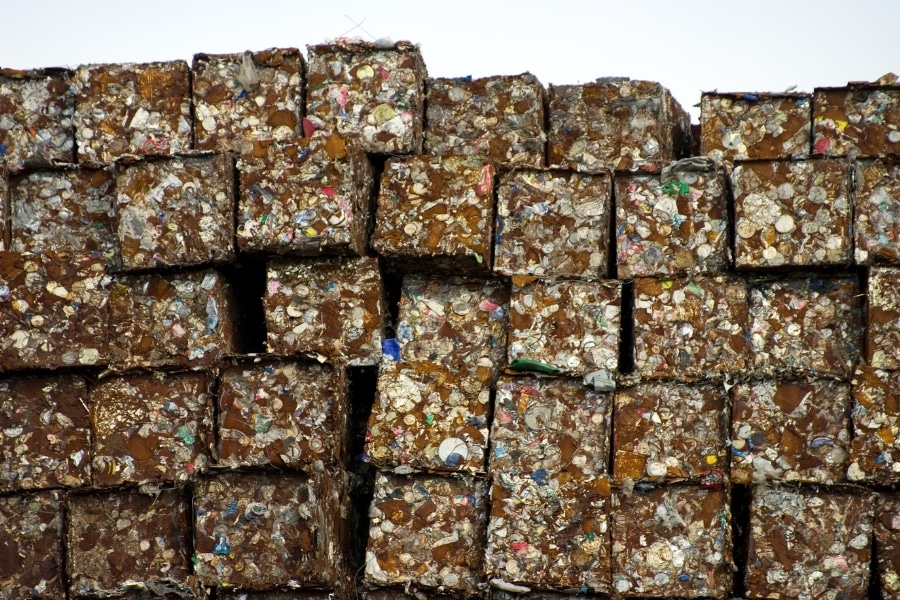
Embracing sustainable construction materials and practices is pivotal in mitigating the environmental impact of residential structures in Plano. Opting for eco-friendly materials, such as recycled steel, bamboo, or reclaimed wood, reduces the carbon footprint of construction. Additionally, incorporating energy-efficient designs, such as passive solar heating and natural ventilation, enhances a home’s sustainability.
Want more ideas? We cover them in our post on reducing environmental impact through sustainable reconstruction.
Energy-Efficient Home Design Principles
Energy-efficient home design principles are essential in crafting sustainable and resilient residences in Plano. Integrating passive design elements, such as strategic window placement for optimal natural lighting and thermal mass, minimizes the need for artificial heating and cooling. Employing advanced insulation materials, high-efficiency HVAC systems, and smart home technologies further reduces energy consumption.
Integrating Green Technologies for Climate Resilience
Integrating green technologies is paramount for bolstering climate resilience in Plano’s homes. This involves adopting modern solutions like solar panels, wind turbines, and energy storage systems to reduce dependence on traditional energy sources.
Battery storage has a practical perk, too. It can keep the fridge cold when a storm knocks out power, and anyone here for the February 2021 freeze knows why that matters.
Smart Home Solutions for Adaptive Living
Smart home solutions play a pivotal role in fostering adaptive living in Plano’s residences. By integrating Internet of Things (IoT) devices and automation, homeowners can optimize energy use, enhance security, and monitor environmental conditions. Intelligent climate control systems, automated lighting, and sensor-based appliances not only improve efficiency but also contribute to overall comfort.

The integration of smart sensors for early detection of potential hazards like leaks or fluctuations in temperature further enhances adaptive capabilities. Sensors flag a problem, but they can’t always pinpoint a leak inside a wall or under a slab, which is where leak detection in Plano comes in.
Landscaping for Flood Mitigation in Plano
Landscaping is a vital strategy for flood mitigation in Plano, where the risk of inundation necessitates innovative approaches. Implementing permeable surfaces, rain gardens, and strategically placed green infrastructure helps absorb excess water, reducing surface runoff. Using native plants with deep root systems reinforces soil stability and prevents erosion during heavy rainfall.
Additionally, creating swales and retention basins enhances water storage capacity. If heavy rain still wins the round, our Plano flood damage restoration crew can dry things out before mold moves in.
Community Engagement and Disaster Preparedness
Community engagement is paramount in Plano’s disaster preparedness efforts, fostering a collective approach to resilience. Through proactive initiatives, such as community workshops, drills, and information campaigns, residents become active participants in understanding and preparing for potential disasters.
Collaborative emergency planning, including evacuation routes and shelter locations, ensures a coordinated response. Preparedness starts at home, too, so here’s how to prepare your DFW property for a winter freeze.
After a storm passes, the CDC guidelines for cleaning safely after a disaster are worth a read before you haul out a single soggy board.
Insurance Strategies for Climate-Resilient Homes
Implementing insurance strategies tailored for climate-resilient homes is essential in Plano’s proactive approach to climate change. Incentivizing resilient construction practices and the installation of protective measures, such as storm-resistant windows and reinforced structures, can lead to reduced insurance premiums.
Here’s something we explain on a lot of insurance claims: most policies pay to put your home back the way it was, not better. Ask your adjuster what’s covered before the rebuild starts.
Like-for-Like Repair vs. a Climate-Ready Rebuild
| Area of the Home | Like-for-Like Repair | Climate-Ready Upgrade to Ask About |
|---|---|---|
| Roof | New shingles that match the old ones | Impact-rated shingles and stronger roof-to-wall connections |
| Lower walls after flooding | Standard drywall cut out and replaced | Moisture-resistant drywall or cement board in high-risk spots |
| Plumbing | Patch the section that burst | Insulated or rerouted lines plus a smart leak shutoff valve |
| Insulation | Replace what was torn out | Higher-rated insulation and air sealing while the walls are open |
| Flooring | Same flooring as before | Tile or waterproof vinyl plank in kitchens, baths, and laundry rooms |
| Windows | Replace the broken glass | Impact-resistant, better-sealed windows |
| Yard and drainage | Left as is | Regrading, longer downspouts, and permeable paving or a rain garden |
When Should You Bring In Professional Help?
Seeking professional help is crucial in implementing effective climate adaptation strategies for Plano homes. Engaging architects, engineers, and construction experts with expertise in sustainable and resilient design ensures that homes are fortified against climate-related risks. Energy consultants can guide the integration of green technologies, optimizing efficiency.
If water damage started the rebuild, drying comes first. Wet framing and subfloors should be dried following the IICRC S500 water damage restoration standard before anything is closed up, or you’re sealing moisture behind brand-new drywall.
Conclusion: Building Climate-Ready Homes in Plano
Plano stands at the forefront of climate resilience through a comprehensive approach to home reconstruction. By understanding local climate risks and vulnerabilities, embracing sustainable construction materials, and integrating innovative technologies, the community paves the way for adaptive living.
Through collaboration with skilled professionals, Plano positions itself as a leader in climate-adaptive urban development, fostering a resilient and sustainable future where homes are not just shelters but sturdy sanctuaries against the uncertainties of a changing climate. Our family-owned team at Intensa Dry Mold & Water Restoration is proud to be part of that work in Plano and next door, where we also handle home reconstruction in Frisco.
Frequently Asked Questions
What are the 4 adaptation strategies for climate change?
Four adaptation strategies for climate change include sustainable construction practices, green technologies, resilient infrastructure development, and community engagement.
What are strategies followed by local households to adapt to climate change?
Local households adapt to climate change through water conservation measures, energy-efficient practices, emergency preparedness, and participation in community resilience initiatives.
How can we adapt our home to climate change?
Adapting homes to climate change involves implementing energy-efficient technologies, using sustainable construction materials, enhancing insulation, and incorporating resilient landscaping practices.
Is it worth adding climate upgrades during a rebuild after water or fire damage?
Often, yes. When walls, floors, or the roof are already open, upgrades like better insulation or water-resistant flooring are far easier to add than they’d be later. Just check with your insurance carrier first, since most policies cover like-for-like repairs.