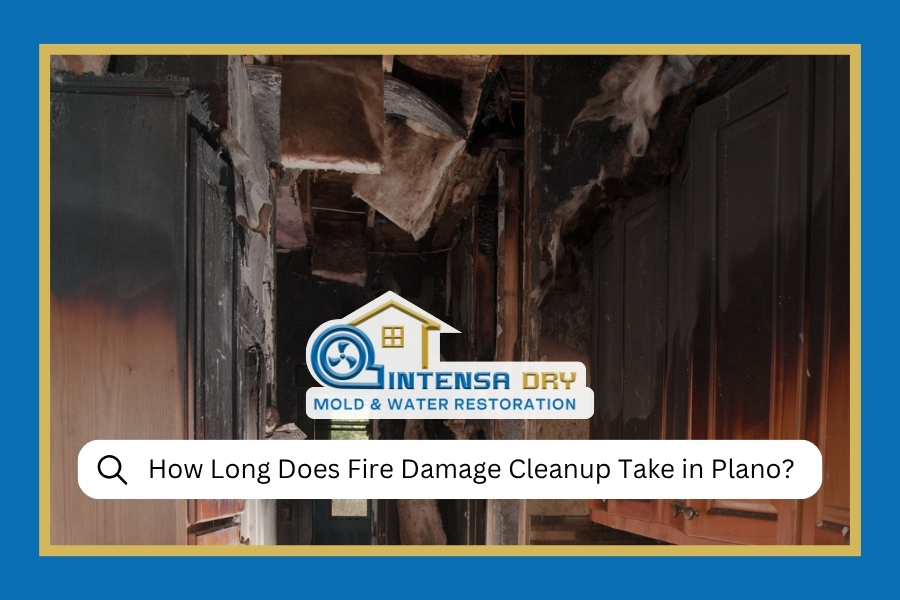
Fire damage cleanup in Plano usually takes anywhere from a few days to several weeks. The exact timeline depends on how bad the damage is, how big your property is, and how quickly the work gets started. If your home just went through a fire, our team at Intensa Dry Mold & Water Restoration handles fire damage cleanup across the DFW MetroPlex, and we understand the waiting is often the hardest part.
The good news? Once a plan is in place, most of the guesswork disappears. Below, we break down what actually happens during the cleanup, what stretches the timeline, and how the right crew keeps things moving.
How Long Does Fire Damage Cleanup Take?
Most residential fire cleanups fall into three buckets. Light smoke and soot jobs can wrap up in a few days. Moderate damage that touches walls, ceilings, and belongings tends to run one to two weeks. Major fires with structural harm and heavy water from firefighting can take several weeks or longer, especially once rebuilding enters the picture.
| Damage Level | Typical Timeline | What’s Usually Involved |
| Minor (light smoke & soot) | 2 to 5 days | Surface cleaning, odor treatment, spot repairs |
| Moderate (walls, ceilings, contents) | 1 to 2 weeks | Deep cleaning, water dryout, material replacement |
| Major (structural & heavy water) | Several weeks or more | Demolition, reconstruction, full rebuild |
These are ranges, not promises. Every home is a little different. Still, they give you a realistic starting point so the process feels less like a mystery and more like a plan.
Dealing With Fire Damage Right Now?
You don’t have to figure this out alone. Our crew responds fast across the DFW MetroPlex, and we walk you through every step. Reach out for a free inspection and a clear plan.
The Steps Behind a Fire Cleanup
Fire cleanup follows a clear order. Skipping steps only creates problems later, so a good crew moves through each one in sequence. Here is how the work generally unfolds.
- Assessment and safety. Before anyone touches a thing, we check for structural hazards, weakened floors, and health risks from smoke and soot. This usually takes a few hours to a day. The American Red Cross also recommends staying out of a fire-damaged home until authorities confirm it’s safe.
- Securing the property. Boarding up windows and doors and tarping the roof protects your home from weather and intruders. This part is quick, often a day or two.
- Water removal and drying. If firefighters used water, we pull it out fast with pumps and dry the space with air movers and dehumidifiers. Left alone, that moisture invites mold. Our professional water removal and dryout keeps that from becoming a second disaster.
- Smoke and soot removal. Soot buries itself into surfaces, and odors cling to everything. We clean with specialized products and treat lingering smells, which can take a few days to a week.
- Cleaning and sanitizing. Walls, floors, ceilings, and salvageable belongings get scrubbed and disinfected so the space is safe to live in again.
- Repair and reconstruction. Drywall, flooring, and fixtures get repaired or replaced. For bigger jobs, our full reconstruction and rebuild work brings your home back to how it was, or better.
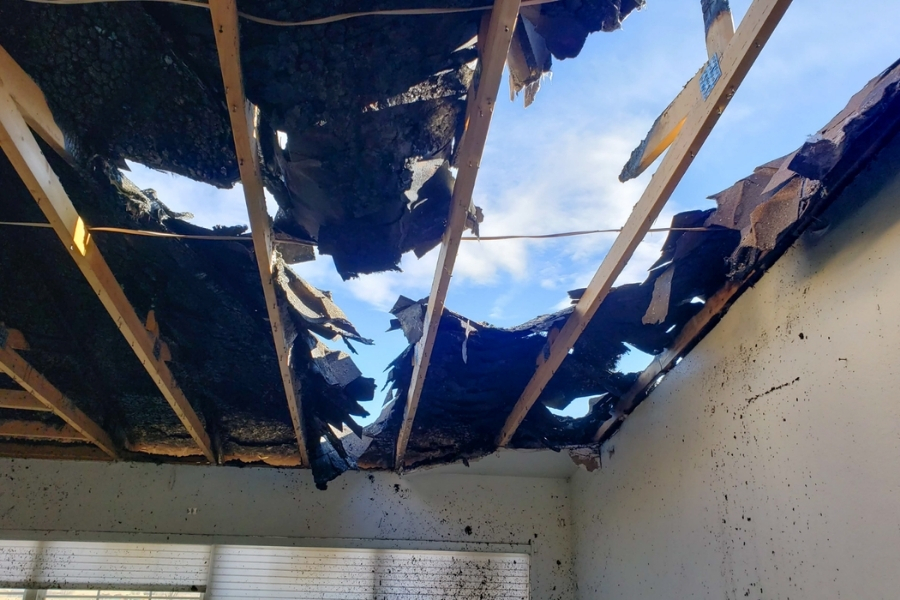
Ceiling and roof damage like this is exactly what our team checks first during the safety assessment.
The last step, reconstruction, is almost always the longest. Cleaning happens quickly. Rebuilding takes materials, permits, and skilled hands, so it stretches the calendar most.
What Affects Your Cleanup Timeline?
Two fires are never identical, so two timelines rarely match either. A small kitchen flare-up and a whole-home blaze live in completely different worlds. A handful of factors decide where your project lands.
- Extent of the damage. Light soot cleans up fast. Charred framing and collapsed ceilings do not.
- Size of the property. More square footage means more surfaces to clean, dry, and repair.
- Type of fire. Grease, electrical, and chemical fires each leave behind different messes that call for different methods.
- How fast help arrives. Quick response limits how far soot, odor, and water spread through your home.
- Water involved. Heavy firefighting water adds a full drying phase before repairs can even begin.
That fourth point matters more than most people expect. Soot turns acidic within hours and starts etching metal, glass, and finishes. The U.S. Fire Administration stresses acting quickly in those first 24 hours, and we agree. The sooner cleanup starts, the shorter and cheaper it usually gets.
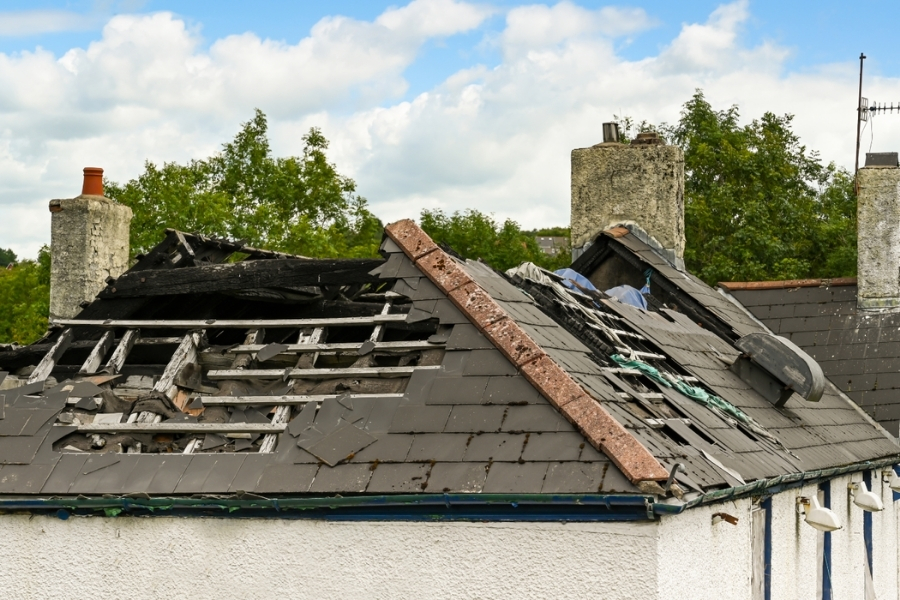
Widespread damage like this usually lands in the multi-week range once cleanup and rebuilding are combined.
3 Things That Speed Up Your Cleanup
- Call fast. Every hour counts once soot and water settle in.
- Document everything. Photos help your insurance move quicker.
- Hire one team. A single crew handling cleanup through rebuild avoids costly handoffs and delays.
Want to see how smoke behaves after the flames are out? Our guide on spotting hidden smoke damage covers the sneaky spots people miss, and it explains why odor work sometimes adds days to a project.
Why Homeowners Across the DFW MetroPlex Call Us
Picking the right crew changes everything about your timeline. Intensa Dry Mold & Water Restoration is family owned, IICRC certified, and built for fast response. We show up quickly, we keep you in the loop, and we handle the whole job under one roof.
That last part saves real time. When one team manages assessment, cleanup, removing stubborn smoke odors, and repairs, nothing falls through the cracks between contractors. For heavy losses, our approach to rebuilding after severe fire damage keeps the handoff from cleanup to construction smooth.
We serve homeowners throughout the region too, so whether you’re in Plano or need fire damage restoration in nearby Frisco, help is close. When you’re ready, reach out for a free inspection and a straight answer about your timeline.
Frequently Asked Questions
Can I stay in my home during fire cleanup?
Sometimes, but not always. Minor smoke jobs may let you stay, while major fires with structural or air quality concerns usually mean relocating for a while. We give you an honest read after the safety assessment.
How soon should cleanup start after a fire in Plano?
As soon as the fire department clears the property. Soot turns acidic within hours and water keeps causing damage, so a fast start protects both your home and your wallet.
Does homeowner’s insurance cover fire cleanup?
Most policies cover fire and smoke damage, though coverage varies. We work directly with your insurer and help document everything so your claim moves as smoothly as possible.
Why does rebuilding take longer than cleaning?
Cleaning removes what the fire left behind, which happens fairly fast. Rebuilding means ordering materials, pulling permits, and skilled labor, so it naturally stretches the timeline the most.