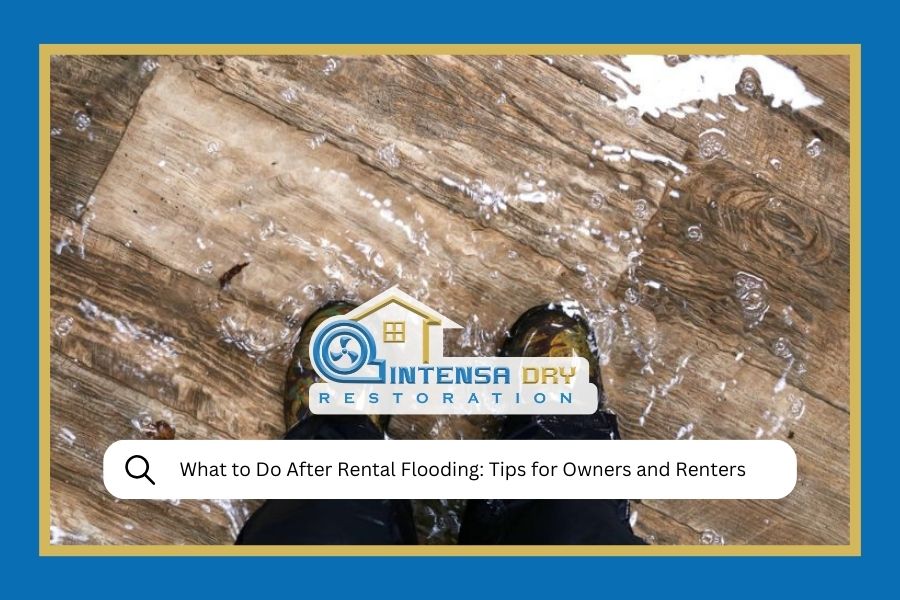
Flooding in a rental property is one of those situations nobody plans for, but plenty of people in the Dallas-Fort Worth area deal with. When water pushes through a home, it doesn’t just damage the walls and floors. It disrupts lives on both sides of the lease. Whether you’re the owner or the renter, knowing what to do after rental flooding makes a real difference in how fast things get back to normal. Our team at Intensa Dry Mold & Water Restoration Restoration has responded to flood damage across DFW, and we’ve seen firsthand how quickly the situation can go from bad to worse without fast action and clear communication. This guide covers flood damage restoration basics, tenant rights, landlord responsibilities, and everything in between.
Flooding in a rental? Don’t wait.
The longer water sits, the more damage it causes. Our IICRC-certified team responds to DFW emergencies in under 40 minutes, 24/7.
Assessing the Situation Safely
Before anything else, safety comes first. Shutting off electricity is the priority if water levels are anywhere near outlets or panels. Avoid wading through standing water until you know the source, because sewage backups and contaminated floodwater carry real health risks.
Once it’s safe to move through the space, start documenting everything. Photos, videos, written notes. Do this before you move a single piece of furniture. Both renters and landlords need solid documentation for insurance claims, and the more thorough you are in those first hours, the smoother the process tends to go.
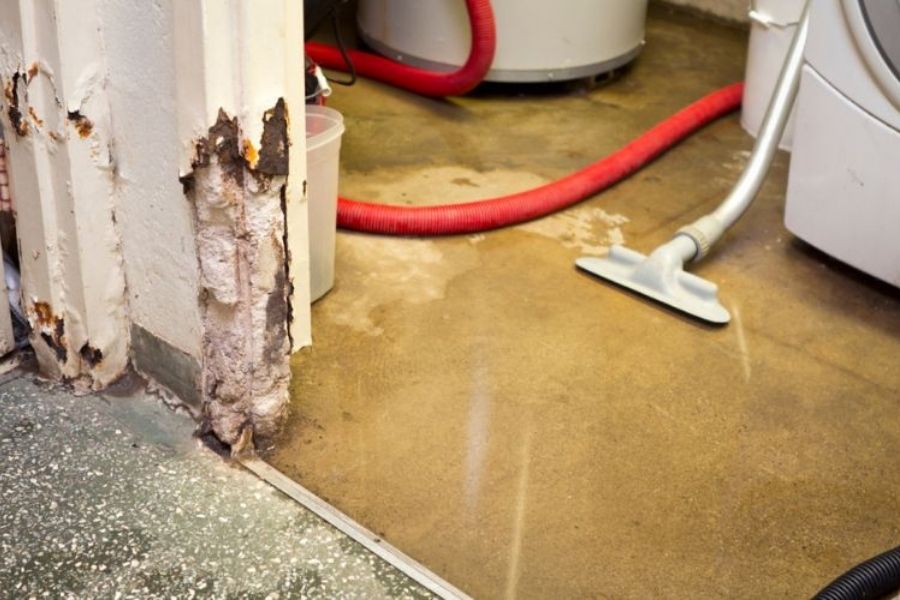
Drying out a flooded apartment should begin as soon as it’s safe to re-enter. The CDC recommends starting cleanup within 24 to 48 hours to limit mold exposure and protect indoor air quality. That window moves faster than most people expect.
What Are Landlord Responsibilities After Flooding?
Landlords carry significant responsibility when flooding occurs in a rental property. The short version is this: the property must be habitable, and it’s the owner’s job to get it there.
Key Landlord Obligations
- ✓ Contact a professional water damage restoration company promptly
- ✓ Assess and document structural damage
- ✓ Notify tenants of findings and next steps
- ✓ File an insurance claim and coordinate with adjusters
- ✓ Arrange temporary housing if the unit is uninhabitable
- ✓ Begin drying and restoration within the first 24 to 48 hours
Ignoring these steps can lead to legal exposure. State and local housing codes in Texas require landlords to maintain habitable conditions, and water damage that’s left untreated disqualifies a unit quickly. Clear, consistent communication with tenants during this process isn’t just good practice. It’s protective for everyone.
Professional flood restoration services are almost always the right call when damage is significant. Our crew at Intensa Dry Mold & Water Restoration Restoration handles extraction, drying, and documentation, which gives landlords the paper trail they need for insurance and keeps timelines tight.
Know Your Tenant Rights After a Flood
Renters have real protections when their unit floods. Depending on the severity of the damage and local housing laws, tenants may be entitled to rent reductions, temporary housing, or the right to break the lease without penalty if the unit becomes uninhabitable.
The most important thing a renter can do right away is notify the landlord in writing. A text or email works fine. Just make sure there’s a record of when you reported the issue. From there, follow any safety instructions from emergency personnel and cooperate with cleanup crews. Moving personal items out of the affected area helps the process move faster.
Renters’ insurance is something every tenant should have in place before a flood hits. It doesn’t cover structural repairs, but it can cover damaged belongings, temporary housing costs, and other losses that landlord insurance typically won’t touch. If you don’t have it yet, this is a good reminder to look into it. If you do have it, now’s the time to call your provider.
Quick Reference: Who Covers What?
| Item | Typically Landlord’s Responsibility | Typically Tenant’s Responsibility |
|---|---|---|
| Structural repairs | ✓ | |
| Personal belongings | ✓ | |
| Temporary housing (if uninhabitable) | Varies by policy / local law | Renter’s insurance may assist |
| Professional drying and extraction | ✓ | |
| Notification of damage | ✓ |
The Role of Insurance in Recovery
Insurance is where things get complicated, but it doesn’t have to be confusing if you know what each policy covers.
Landlord insurance for flood damage typically handles structural repairs, but it won’t cover a tenant’s lost furniture or electronics. Renter’s flood insurance coverage fills that gap. Both parties need to review their policies carefully and get their insurance providers on the phone quickly after a flood occurs.
Lease agreements sometimes include specific clauses about water damage and which party bears responsibility. Reading through those clauses before or after a flood is worthwhile. In Texas, standard lease language doesn’t always spell out what happens when there’s storm flooding, which is why documenting damage thoroughly protects everyone at the table.
When filing a claim, the more documentation you have, the better. Photos, written records, receipts for damaged items, and contractor estimates all support a faster settlement. For landlords specifically, having a professional restoration company on-site early creates the kind of detailed reporting that insurance adjusters need.

Emergency Cleanup and Restoration
Once the immediate danger has passed, the focus shifts to drying and cleanup. This part of the process moves on a clock. Mold can start developing within 24 to 48 hours of water intrusion, which is one reason speed matters so much. The EPA recommends addressing any moisture and visible mold within 24 to 48 hours to prevent further health risks.
Industrial air movers, dehumidifiers, and moisture meters are the tools that make professional drying reliable. Renting a fan from a hardware store is not the same thing. Trapped moisture inside walls and subfloors can stay hidden for weeks if it’s not properly monitored, and that’s how mold problems develop quietly behind drywall.
Our water damage restoration team at Intensa Dry Mold & Water Restoration Restoration uses equipment and methods that follow IICRC standards for structural drying. That matters both for thoroughness and for your insurance documentation. We’ve helped renters and landlords across Plano, Frisco, McKinney, and surrounding DFW cities work through the cleanup process without the stress of wondering whether the job was done right.
For renters: moving your belongings out of affected areas helps the crew work faster. For landlords: don’t wait to schedule restoration thinking the property will air out on its own. It won’t. Check out our breakdown of the four phases of professional water damage restoration if you want a clear picture of what the process actually looks like.
Need a free inspection after flooding?
We offer free consultations across DFW. Our IICRC-certified team assesses the damage, walks you through your options, and helps you move forward.
Legal Considerations After Flooding
Flooding often raises legal questions that neither landlords nor renters are prepared to answer on the spot. Here’s what to keep in mind.
If a rental unit is uninhabitable due to flooding, Texas tenants may have the right to terminate the lease without penalty. That doesn’t mean walking out without notice. There’s a process, and it usually requires written notification to the landlord and a reasonable period for the owner to address the issue. If repairs don’t happen, the tenant’s options broaden.
Landlord negligence is a separate issue. If flooding resulted from deferred maintenance, like a roof that was never repaired or a plumbing issue that went ignored, the landlord may bear liability for tenant losses beyond just structural repairs. Natural disasters are typically handled through insurance, not landlord liability, but the line between the two isn’t always clean.
Both parties benefit from reading through the lease carefully and, when things get complicated, consulting a local attorney familiar with Texas housing law. Knowing where you stand legally from the start prevents disputes that drag on long after the water is gone. You might also find it helpful to read through our post on what water damage restoration covers and how insurance works in DFW.
Steps to Recover After Rental Flooding
Recovery is a process, and it goes more smoothly when both sides of the lease stay organized and communicate clearly.
For Tenants
- ✓ Notify your landlord in writing immediately
- ✓ Document all personal property damage with photos and video
- ✓ File a claim with your renter’s insurance provider
- ✓ Secure temporary housing if the unit is unsafe
- ✓ Keep all receipts related to your displacement
- ✓ Cooperate with cleanup crews to speed up the timeline
For Landlords
- ✓ Document the full scope of structural damage
- ✓ Contact your insurance provider and a restoration company
- ✓ Keep tenants updated throughout the process
- ✓ Schedule professional water extraction and drying immediately
- ✓ Follow up with mold prevention measures once drying is complete
- ✓ Confirm the unit meets habitability standards before re-occupancy
Mold prevention after water damage should be part of any recovery checklist. Read more about mold prevention after water damage in the Plano area to understand what steps actually work.
Preparing for the Future
No one can flood-proof a rental completely, but there are practical steps that reduce risk and improve your response when something does happen.
For renters, keeping renter’s insurance current is the single most effective thing you can do. Beyond that, knowing where the water shutoff is, having an emergency contact list ready, and understanding the basic terms of your lease go a long way. If you’re renting in an area that floods regularly, ask your landlord about any upgrades to drainage or waterproofing that have been made to the property.
For landlords, preventive investments like proper grading, regularly maintained gutters, and inspection of plumbing and roof systems can prevent a lot of emergency calls. Properties in DFW are no strangers to heavy rain and storm flooding, so it pays to stay ahead of maintenance issues before they become major problems. Our post on hidden signs of water damage in North Texas homes is a helpful resource for spotting issues early.
Both owners and renters working proactively, and working together when something does go wrong, will always have a faster, less stressful path to recovery.
Frequently Asked Questions
Who is responsible for paying for flood damage repairs in a rental property?
Landlords are typically responsible for structural repairs, including walls, flooring, and systems like HVAC or plumbing. Tenants are responsible for their personal belongings, which is why renter’s insurance matters so much. Temporary housing costs may be shared depending on lease terms, local laws, and insurance coverage.
How long does it take to dry out a flooded apartment or rental unit?
Drying time depends on the severity of the flooding, the materials affected, and how quickly professional equipment is deployed. In most cases, structural drying takes three to five days with commercial-grade equipment. More severe flooding involving subfloor or wall cavity moisture can take longer. Starting the process within 24 to 48 hours significantly reduces total drying time.
Can a tenant legally break their lease after a flood in Texas?
If a rental unit is deemed uninhabitable due to flooding, Texas tenants may have grounds to terminate the lease without penalty. This typically requires written notice to the landlord and a reasonable opportunity for repairs. If repairs aren’t made within the required timeframe, the tenant’s right to vacate without penalty generally applies. Consulting a local attorney is recommended for your specific situation.
What are the main health risks from flooding in a rental home?
Mold growth is the most common post-flood health concern and can begin within 24 to 48 hours if moisture isn’t addressed. Contaminated floodwater, particularly from sewage backups or storm runoff, can introduce bacteria and pathogens. Respiratory issues are also associated with prolonged exposure to damp conditions or mold spores. Professional cleanup reduces these risks significantly.