Jump To:
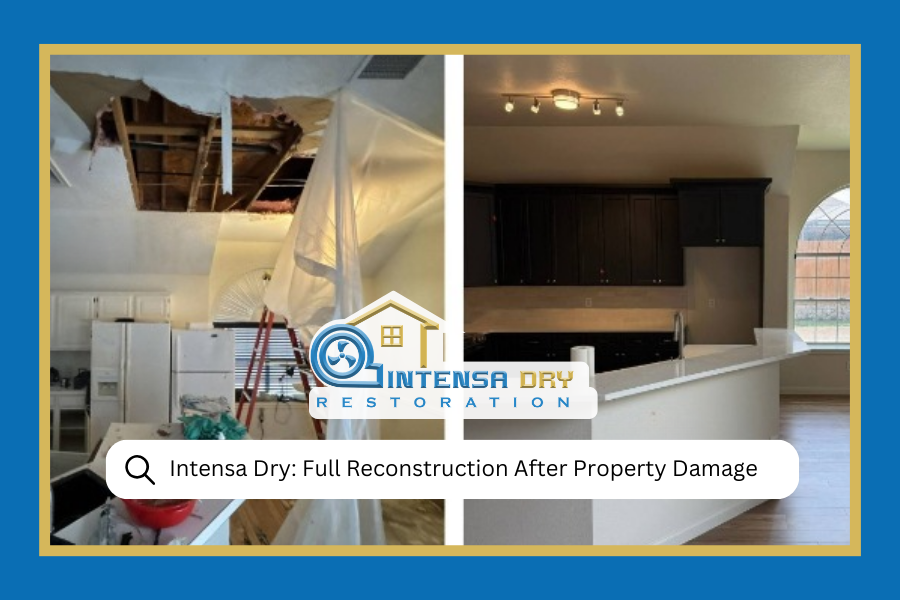
When disaster strikes your property, the immediate crisis passes but the real work begins. After water damage restoration or fire cleanup finishes, you’re left facing a fundamental question: how do you truly bring your space back to life? That’s where reconstruction comes in. It’s not just about making repairs. It’s about transformation, renewal, and creating a space that’s safe, functional, and maybe even better than before. We at Intensa Dry Restoration have guided hundreds of DFW property owners through this journey, and we know exactly what it takes to get you from damage to fully restored.
What Does Reconstruction Really Mean?
Reconstruction is the comprehensive rebuild phase that follows emergency mitigation. After water extraction, drying, debris removal, and initial cleanup, reconstruction addresses the structural and cosmetic repairs needed to return your property to pre-loss condition or better.
Think of it as the final chapter in your recovery story. The crisis has passed, the immediate threats are gone, and now skilled contractors step in to rebuild what was damaged or destroyed. According to the Institute of Inspection, Cleaning and Restoration Certification (IICRC), proper reconstruction following water or fire damage is essential to prevent long-term structural issues and ensure occupant safety.
This comprehensive process typically includes:
- Structural repairs: Replacing damaged framing, roof components, and subflooring that keep your building sound
- Interior restoration: Installing new drywall, insulation, ceilings, and finishing surfaces
- System integration: Reconnecting or replacing electrical, plumbing, and HVAC components
- Finish work: Painting, flooring installation, cabinetry, and final cosmetic touches
- Code compliance: Ensuring all work meets current building codes and passes inspection
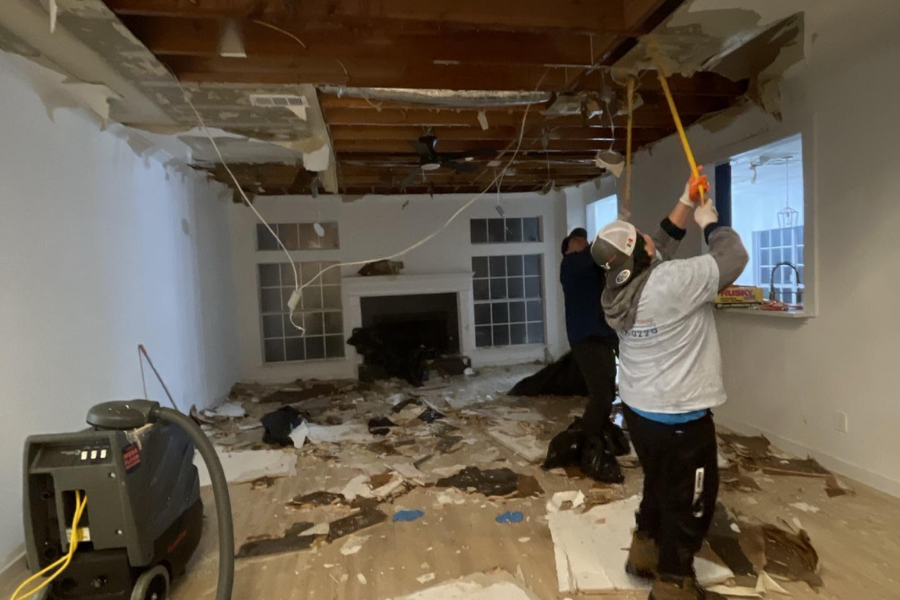
Without this meticulous rebuilding, hidden problems fester. Mold grows behind walls. Rot weakens structural members. Electrical hazards develop. What seemed “fixed” becomes a ticking time bomb of safety concerns and costly future repairs. Our team has seen too many properties where incomplete restoration led to problems far worse than the original damage.
Ready to Start Your Reconstruction?
Don’t let water or fire damage linger. Our IICRC-certified team responds in under 40 minutes throughout the DFW area.
When is Reconstruction the Right Solution?
Reconstruction becomes necessary when damage extends beyond surface cleaning. Simple repairs won’t cut it when structural integrity is compromised or building materials are destroyed.
Property owners typically need full reconstruction services after these scenarios:
Significant Water Damage
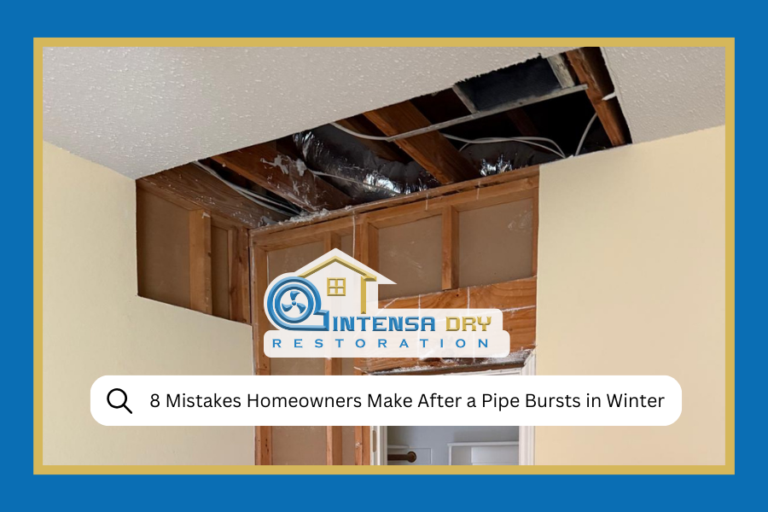
Flooding from burst pipes, sewage backups, or storm surge often saturates drywall, insulation, and flooring beyond salvage. Category 3 water (sewage or contaminated water) requires removing and replacing affected materials per EPA guidelines. You can’t just dry out sewage-contaminated drywall and call it good. Safety demands removal and replacement.
Fire and Smoke Damage
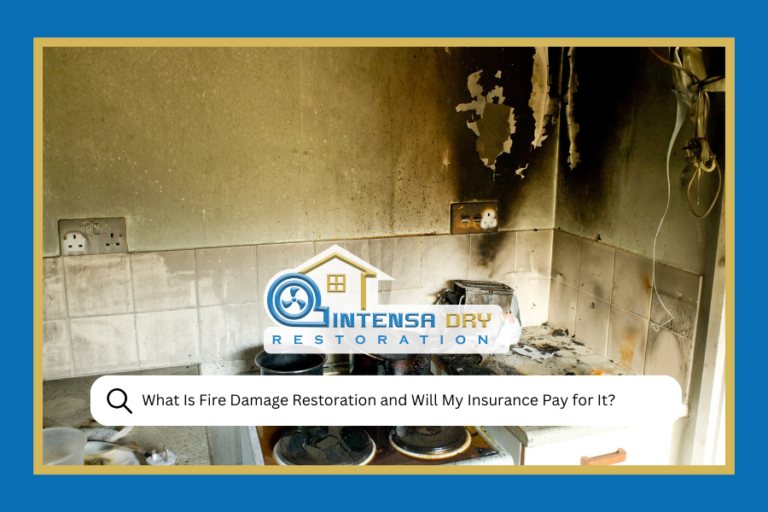
Fire compromises structural integrity while smoke permeates everything. Fire damage restoration often requires extensive reconstruction because extreme heat weakens wooden framing, warps metal components, and damages electrical systems. Even areas not directly burned may need replacement due to smoke damage and heat exposure. Our case studies show that thorough fire restoration almost always includes major reconstruction work.
Storm and Wind Damage
North Texas storms pack serious punch. High winds tear off roofing, break windows, and drive rain deep into wall cavities. Trees crash through structures. Hail damages exterior surfaces. These scenarios typically require both immediate emergency repairs and comprehensive reconstruction to restore full protection and functionality.
Mold Remediation Aftermath
Professional mold remediation often requires removing affected materials. Drywall, insulation, carpeting, and other porous materials that harbor mold growth must be discarded. After removal, reconstruction restores these areas with fresh, mold-free materials properly treated to resist future growth.
Navigating the Reconstruction Process
The reconstruction journey follows a logical sequence. Understanding each phase helps you know what to expect and when.
| Phase | What Happens | Timeline |
|---|---|---|
| Assessment | Licensed technician evaluates all damage, creates detailed scope of work | 1-3 days |
| Structural Repairs | Replace framing, subfloors, roof decking – the building’s backbone | 1-3 weeks |
| Systems Work | Electrical, plumbing, HVAC installation and inspection | 1-2 weeks |
| Interior Finishing | Drywall, painting, flooring, trim, fixtures installed | 2-4 weeks |
| Final Inspection | Walk-through, code verification, final adjustments | 1-2 days |
Assessment and Planning
Reconstruction starts with documentation. A licensed technician walks through every affected area, documenting damage with photos and detailed notes. This creates the blueprint for all work ahead. At Intensa Dry Restoration, we also coordinate with your insurance adjuster during this phase to ensure all necessary repairs are covered and documented. Our 20+ years combined experience means we know exactly what insurers need to see.
Structural Repairs
The backbone comes first. Damaged load-bearing walls, floor joists, roof trusses, and foundation elements get priority attention. Everything else depends on solid structure underneath. City inspectors verify work meets code at critical checkpoints. We don’t move forward until each phase passes inspection.
Mechanical and System Restorations
Certified electricians, plumbers, and HVAC technicians reinstall or repair vital systems. Electrical panels, wiring, pipes, ducts, and climate control equipment all get tested and inspected. Safety is non-negotiable here. One overlooked electrical issue could cause another disaster months later.
Interior and Exterior Finishes
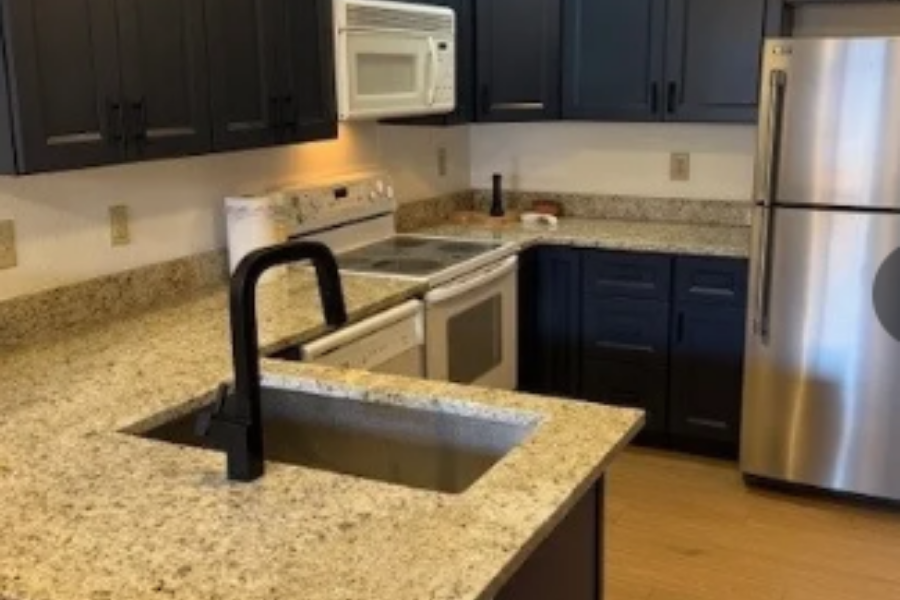
Now the transformation becomes visible. New drywall goes up, fresh paint covers walls, flooring gets installed, and fixtures bring everything together. Exterior work might include new siding, windows, or roofing materials. This phase turns a construction site back into a home or business.
Final Walkthrough and Inspection
You walk through every room with our project manager. We verify all work meets your expectations and local building codes. Any final adjustments happen immediately. You don’t sign off until you’re completely satisfied. That’s our commitment to every client across Plano, Frisco, McKinney, and the greater DFW area.
The Advantages of Professional Reconstruction
Hiring experienced reconstruction contractors saves time, money, and headaches. Here’s why professional help matters.
Key Benefits of Professional Reconstruction
- Single point of contact: One team manages demolition, construction, inspections, and final delivery
- Code compliance guaranteed: All work meets current building regulations and passes inspection
- Insurance coordination: We handle documentation, estimates, and communication with adjusters
- Faster completion: Established workflows and experienced crews work efficiently
- Quality materials and methods: Licensed professionals use proven techniques and top-tier materials
- Warranty protection: Professional work comes with guarantees and recourse if issues arise
Attempting DIY reconstruction or hiring unlicensed contractors often backfires. Building codes are complex and strictly enforced. One failed inspection can delay your entire project by weeks. Worse, improper reconstruction can create liability issues, void insurance coverage, or cause expensive problems down the road. The small upfront savings disappear when you’re paying to fix mistakes later.
We’ve completed hundreds of reconstruction projects across the DFW metroplex, and we’ve seen every possible complication. That experience means we anticipate problems before they happen and solve them efficiently when they do arise.
Selecting Your Reconstruction Partner
Not all contractors are created equal. The right partner makes reconstruction smooth while the wrong choice creates nightmares.
Look for these essential qualities:
Restoration-Specific Experience
General contractors build new structures. Restoration contractors understand damage mitigation, insurance processes, and the unique challenges of rebuilding after disasters. This specialized knowledge matters enormously. At Intensa Dry Restoration, our team holds IICRC certifications specifically for water and fire damage restoration, plus we’re fully licensed through the Texas Department of Licensing Regulation for mold remediation work.
Proven Emergency Response
Disasters don’t wait for business hours. Your contractor shouldn’t either. We guarantee under 40-minute response times across our service area because we know quick action prevents damage from spreading. That 24/7 availability continues through reconstruction too. Questions don’t wait until Monday morning.
Clear Communication Throughout
You deserve to know what’s happening with your property. Regular updates, transparent timelines, and accessible project managers keep you informed. No surprises, no ghosting, no excuses. Our clients tell us that consistent communication is one of the biggest factors in their satisfaction.
Strong Local Reputation
Check reviews, verify references, and look for established presence in your community. Fly-by-night contractors disappear when problems arise. Local family-owned businesses like ours stake our reputation on every single project. We’re here for the long haul.
Proper Licensing and Insurance
This isn’t optional. Verify contractors carry proper liability insurance, workers’ compensation, and required state licenses. Working with uninsured contractors exposes you to massive liability if someone gets hurt on your property. Don’t take that risk.
📋 Reconstruction Contractor Checklist
Before hiring, verify they have:
- ✓ IICRC certification for restoration work
- ✓ State contractor’s license and mold certification
- ✓ Comprehensive liability and workers’ comp insurance
- ✓ Detailed written estimates before work begins
- ✓ Experience with insurance claim coordination
- ✓ Local references you can contact
- ✓ Clear warranty terms in writing
Reconstruction represents a major investment in your property. Take time to choose the right partner. Ask tough questions. Verify credentials. Trust your instincts. The right contractor will welcome your scrutiny and provide clear, confident answers.
Ready to Begin Your Rebuild?
Property damage feels overwhelming, but reconstruction doesn’t have to be. Professional teams like ours guide you through every step, handling the technical complexity while keeping you informed and in control.
Whether you’re dealing with water heater flooding, fire damage, or storm destruction, comprehensive reconstruction services provide the definitive path to full recovery. Don’t let the aftermath of disaster drag on for months. Take action now.
At Intensa Dry Restoration, we’re ready to help. Our family-owned business serves Plano, Frisco, McKinney, Allen, Richardson, Garland, Wylie, Lewisville, and the entire DFW area with 24/7 emergency response and complete reconstruction services. Call us at (972) 992-7331 for immediate assistance, or contact our team to schedule a free consultation and property assessment.
Your property can come back better than before. Let’s make it happen together.
Frequently Asked Questions
How long does full property reconstruction typically take?
Reconstruction timelines vary based on damage extent and project complexity. Minor reconstruction might take 2-4 weeks while extensive fire or flood damage could require 2-3 months. Structural repairs, system work, and permitting each add time. We provide detailed timelines during the initial assessment so you know exactly what to expect. Weather, material availability, and inspection schedules can also impact timing.
Will my insurance cover reconstruction costs after water or fire damage?
Most homeowners and commercial property insurance policies cover necessary reconstruction following covered losses like sudden water damage, fire, or storm damage. However, coverage depends on your specific policy, deductibles, and the cause of damage. Gradual damage or maintenance issues typically aren’t covered. We work directly with insurance adjusters, providing detailed documentation and estimates to help maximize your claim. Our team has over 20 years combined experience navigating insurance processes for DFW property owners.
Can I stay in my home during reconstruction work?
It depends on the project scope and affected areas. Minor reconstruction in a single room might allow you to stay with some inconvenience. However, extensive work affecting multiple rooms, major systems, or creating safety hazards like exposed wiring usually requires temporary relocation. Air quality concerns from dust, paint fumes, or construction materials may also make staying unsafe or uncomfortable. We assess each situation individually and provide honest recommendations about whether staying is practical and safe.
What’s the difference between mitigation and reconstruction in property restoration?
Mitigation stops damage from spreading and stabilizes the property. This includes water extraction, drying, debris removal, and cleaning. Reconstruction is the rebuild phase that comes after mitigation, where damaged materials get replaced and your property returns to pre-loss condition. Think of mitigation as emergency medicine and reconstruction as physical therapy – both are necessary for complete recovery. Many restoration companies, including Intensa Dry Restoration, offer both services in a coordinated package for seamless recovery.