After a flood, the process of rebuilding and restoring your home or business can feel overwhelming. In Plano, expert reconstruction services can guide you through every step, from damage assessment to final repairs. Whether it’s structural work, drywall replacement, or electrical systems, reliable professionals are ready to help. One trusted name in flood recovery is Intensa Dry, offering top-notch drying and restoration services. They specialize in preventing further damage by ensuring your space is completely dried before reconstruction begins. Let’s walk you through what to expect during the Plano reconstruction journey after a flood, helping you rebuild with confidence.
Step 1: Initial Assessment and Safety
Before diving into reconstruction, the very first thing you need to do after a flood is ensure the safety of everyone in the affected area. Floodwaters can cause structural damage, weaken foundations, and pose serious health risks, including exposure to mold and contaminants. As soon as it’s safe, carefully inspect your property, but avoid entering areas that could collapse or have standing water. Here are some steps to follow:
Ensure Structural Integrity: Check for any visible cracks, tilting, or sagging in your property’s foundation and walls. A structural engineer can help assess the damage more thoroughly.
Check for Hazards: Turn off electricity, gas, and water to avoid electrical shocks or gas leaks. Watch for exposed wires or damaged appliances.
Document Damage: Take photos of the damage for insurance purposes. This will be helpful in processing your claim and understanding the extent of the repairs needed.
Once you’ve assessed the situation and secured the area, it’s time to bring in the professionals to begin the recovery process.
Step 2: Water Extraction and Drying
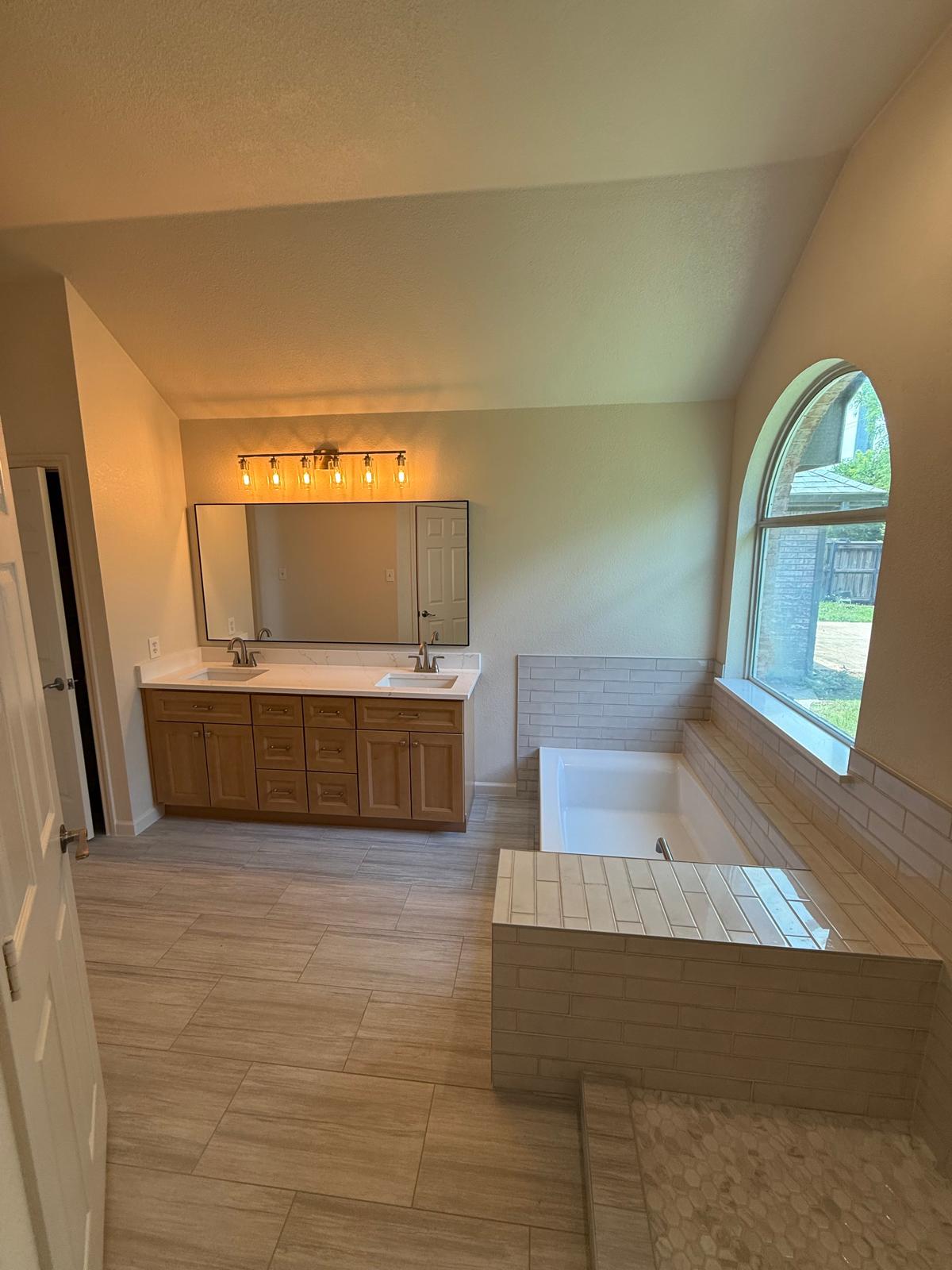
Water extraction and drying are crucial steps in preventing further damage after flooding, as they remove excess water and moisture to prevent mold growth. In a Plano case study, professionals handled water extraction with advanced equipment, followed by thorough drying to restore the home’s integrity. Afterward, home reconstruction included replacing damaged drywall, flooring, and plumbing systems, ensuring the property was safe and habitable. This process highlights the importance of quick action and expert services in successful recovery from water damage.
Floodwater can seep into walls, floors, and ceilings, making immediate water extraction essential. If not removed quickly, water damage can lead to mold growth, which poses health risks and can worsen the damage to your property. This is where water extraction and drying experts like Intensa Dry come in.
Intensa Dry specializes in removing excess water and thoroughly drying affected areas. Their team uses state-of-the-art equipment, including high-powered water extractors, industrial fans, and dehumidifiers, to ensure that every inch of your home is fully dried. Professional drying is crucial for preventing mold and other secondary damage. Intensa Dry can also test the moisture levels in various materials, including wood, drywall, and insulation, to ensure that everything is sufficiently dry before reconstruction begins.
Step 3: Cleanup and Debris Removal
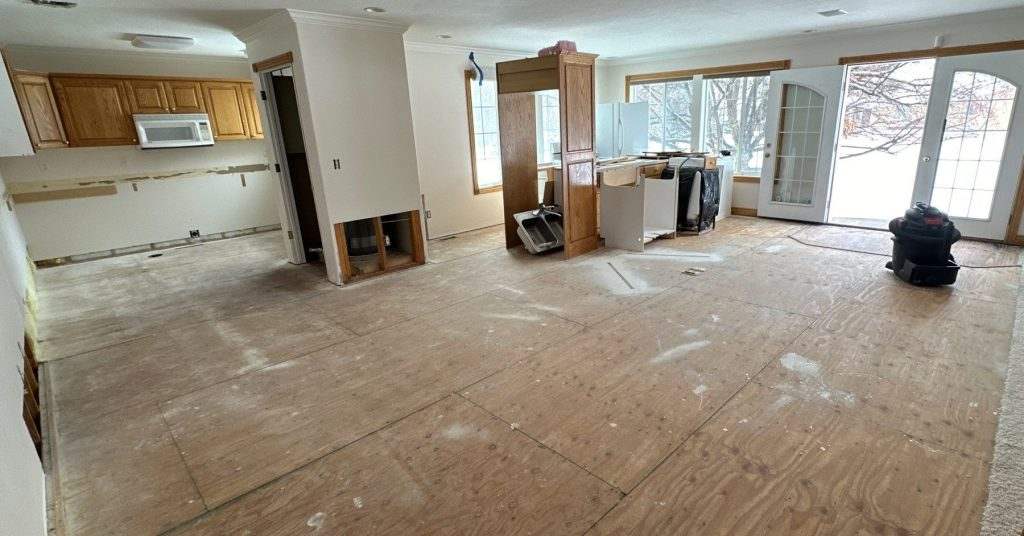
Once the water has been extracted and the property dried, the next step is cleanup and debris removal. Floodwaters often carry with them mud, debris, and contaminants, making it essential to clean and disinfect affected areas. Depending on the extent of the damage, you may need to remove:
Flooded Furniture: Furniture, carpets, and personal belongings that have been submerged should be removed. Many of these items cannot be salvaged and will need to be discarded.
Damaged Drywall and Insulation: If floodwaters reached the walls or insulation, these materials will likely need to be replaced. This is critical, as they can harbor mold and bacteria if not properly removed.
Sewage Cleanup: If the floodwater was contaminated with sewage, it’s important to call in specialized cleanup professionals to ensure your home is sanitized and safe to inhabit.
This process can be time-consuming and requires proper disposal of hazardous materials, so it’s important to work with certified professionals to ensure everything is handled safely.
Step 4: Structural Repairs and Reconstruction
Once the property has been thoroughly cleaned, dried, and sanitized, it’s time to focus on structural repairs. This step involves rebuilding the foundation, repairing walls, and addressing any damage to plumbing, electrical, or HVAC systems. Here are the main areas that may require attention:
Foundation Repairs: If floodwaters have caused shifting or settling in your foundation, it’s essential to have a structural engineer inspect and repair it. This can involve the installation of piers or underpinning to stabilize the foundation.
Wall and Ceiling Repairs: Water-damaged drywall will need to be replaced, and in some cases, studs, insulation, and framing may also need to be repaired or replaced.
Electrical and Plumbing Systems: Floodwater can damage wiring, outlets, and plumbing. These systems should be thoroughly inspected by licensed professionals to ensure they’re safe and functional before reconstruction begins.
Flooring: Depending on the type of flooring in your home, you may need to replace damaged tiles, hardwood, or carpeting. Some floors, such as laminate or carpet, may be irreparable, while others may just need cleaning and refinishing.
This stage of reconstruction is often the most time-consuming, as it involves skilled labor, inspection, and potentially obtaining permits for work. A licensed contractor will help ensure all repairs are completed to code and that your property is safe and secure.
Preventing Future Flood Damage
Preventing future flood damage involves measures like elevating structures, installing flood barriers, and improving drainage systems to manage excess water. Waterproofing basements, using flood-resistant materials, and enhancing local flood infrastructure also help minimize risks. Water damage cleanup and mitigation services focus on quickly removing water, drying affected areas, and repairing any damage to prevent mold growth and structural issues. These services play a critical role in limiting long-term damage and ensuring a swift recovery after flooding or water-related incidents.
Once the immediate repairs are completed, it’s wise to think about flood mitigation to reduce the chances of future damage. Plano’s flood risks remain high, and proactive measures can make a big difference in minimizing future losses.
Some steps to consider include:
Elevating Your Property: If you’re in a flood-prone area, consider elevating your home or business above the base flood elevation (BFE). This can involve lifting the structure on piers or installing flood vents.
Waterproofing: Waterproof coatings on exterior walls, installing sump pumps, and ensuring proper drainage around the foundation can prevent water from entering your property during future floods.
Flood Barriers: Installing flood barriers or flood-proof doors and windows can help protect your property from rising waters.
FAQs
Do you need flood insurance in Plano?
Yes, flood insurance is highly recommended in Plano due to the city’s frequent exposure to hurricanes, heavy rains and flooding. Standard homeowners insurance typically does not cover flood damage, making a separate flood policy essential for protection. While not mandatory for all homeowners, those in flood-prone areas or with mortgages may be required to carry flood insurance.
How long does it take to recover from flooding?
The recovery time from flooding can vary significantly depending on the extent of the damage, with minor floods taking a few weeks and major floods potentially requiring several months. The process involves water extraction, drying, repairs, and restoration, all of which can be time-consuming. On average, most homeowners can expect a recovery time of 3 to 6 months, but this can be longer for more severe flooding.
Conclusion
Rebuilding after a flood in Plano can be a long and challenging journey, but with the right reconstruction services, it is possible to restore your home or business to its former state and even make it more resilient to future floods. From water extraction and drying to mold remediation and structural repairs, each step is crucial in ensuring that your property is safe and livable once again.
Professional services like Intensa Dry play a vital role in this process, offering specialized expertise in drying, cleaning, and restoration. Their prompt action can make a significant difference in preventing long-term damage and ensuring that your property is ready for reconstruction.
Whether you’re dealing with a small flood or major water damage, the most important thing is to act quickly and enlist the help of trusted professionals. By following this guide and working with experienced reconstruction teams, you can recover from a flood and make your property stronger and more resilient than ever.