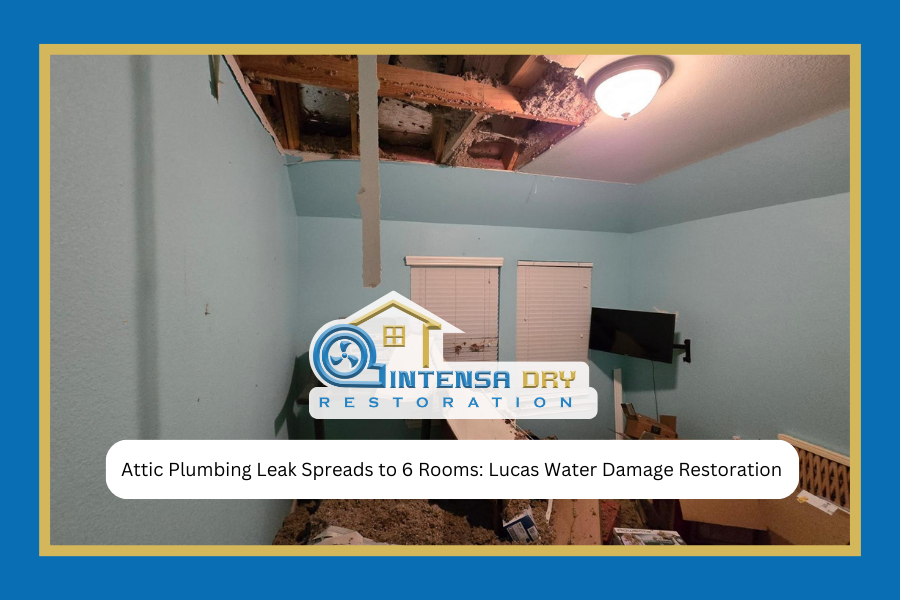
When a trusted plumber friend called us about a Lucas homeowner dealing with an active leak, we responded quickly. The culprit? Mice had chewed through plumbing lines in the attic, causing water to drip steadily into the home below. What started as damage to one room spiraled over the course of a week, eventually affecting six different rooms before the homeowner could fully address the source.
This project highlights exactly why fast emergency water damage restoration matters. We’re sharing this story to help other North Texas homeowners understand what attic leaks can do to a home and how the restoration process works from start to finish.
The Challenge: Blown-In Insulation and Spreading Damage
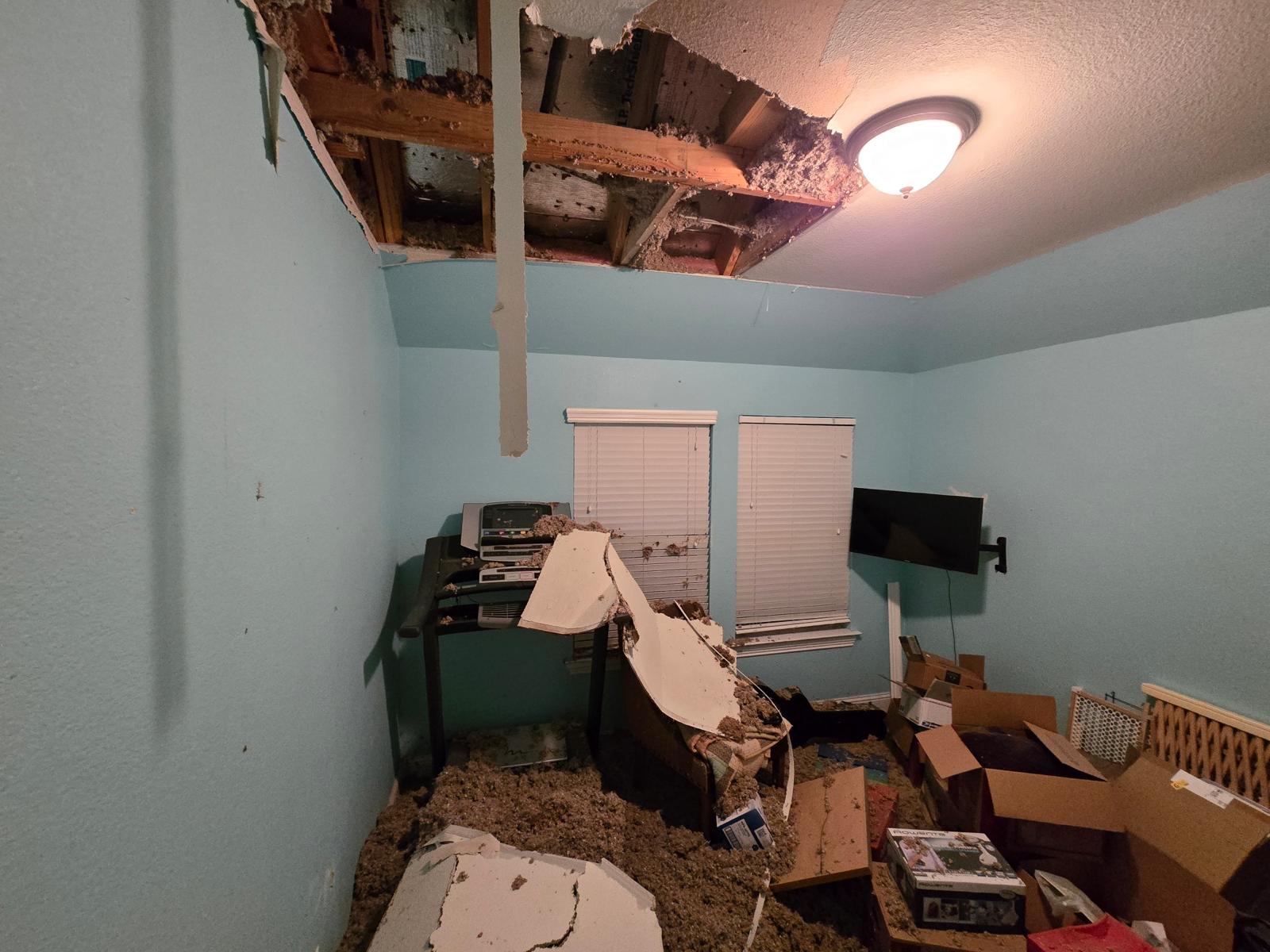
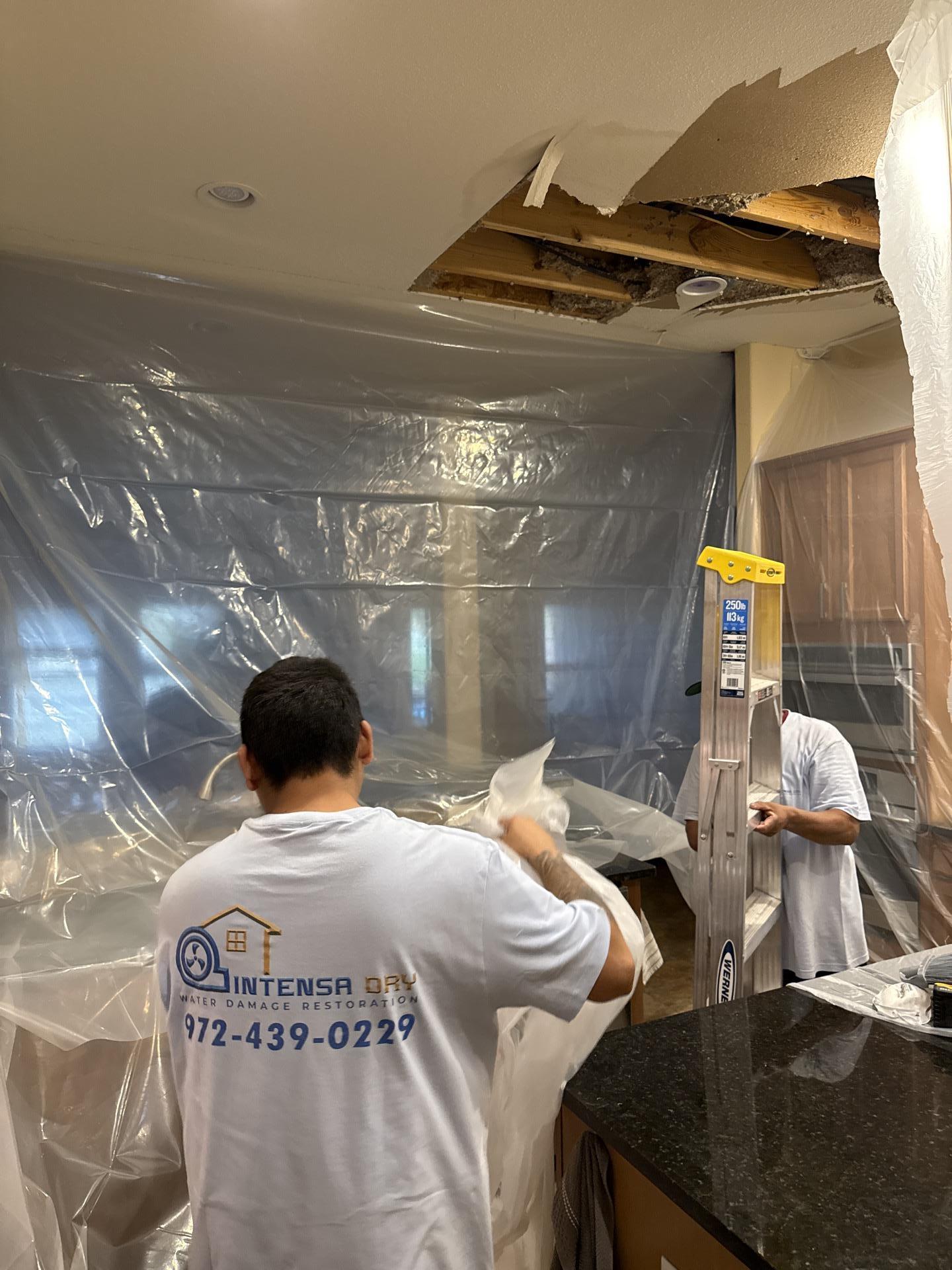
Attic leaks present unique challenges. This Lucas home had heavy blown-in insulation throughout the attic space, which absorbed water like a sponge and created clouds of dust during mitigation. Anyone who’s worked with blown-in insulation knows the mess it creates when disturbed.
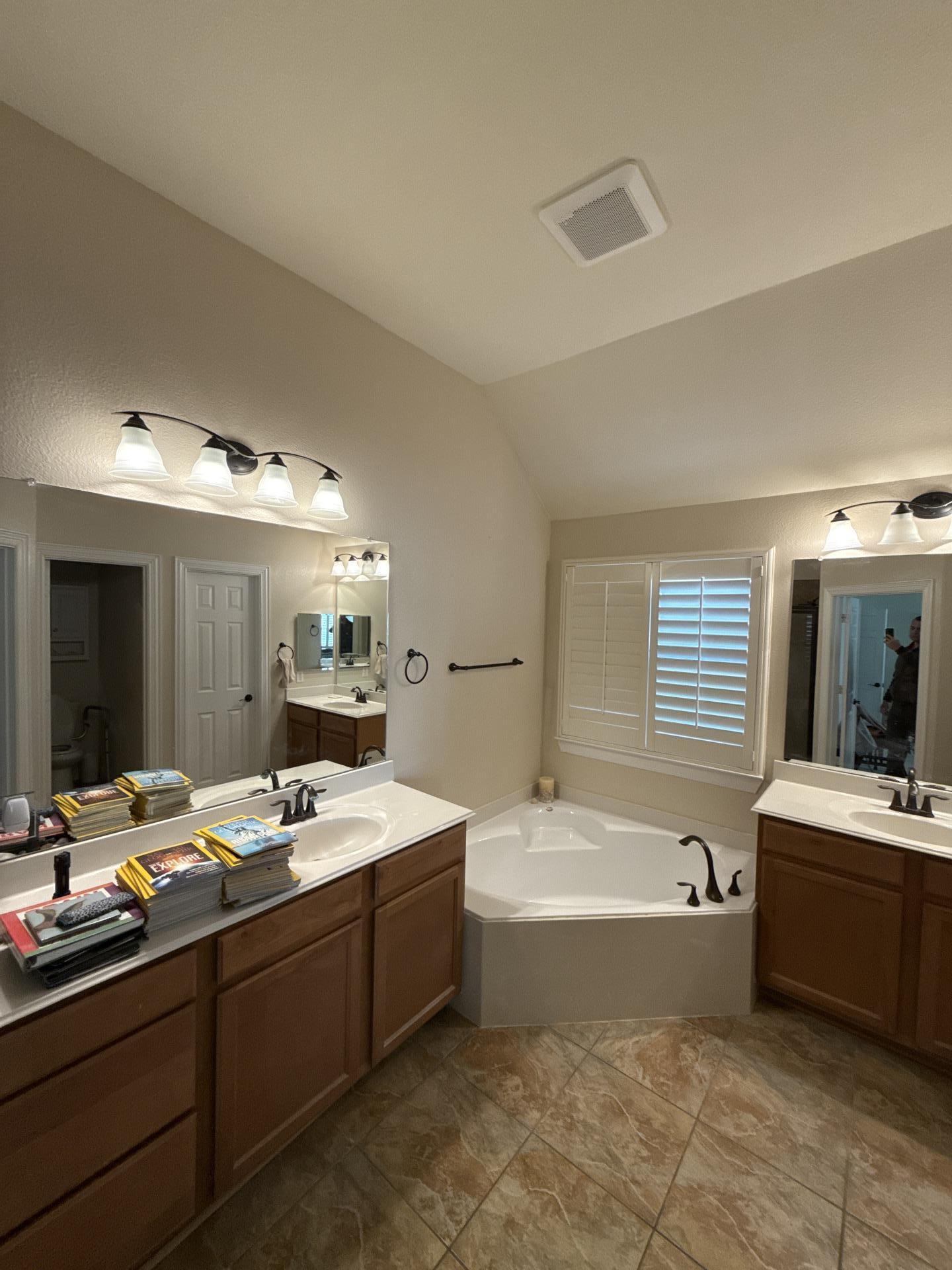
The damage kept spreading because the homeowner initially didn’t realize the full extent of the leak. By the time we arrived, water had traveled through ceiling cavities and wall spaces, impacting six rooms total: the kitchen, master bathroom, office, and three additional rooms.
Initial Water Damage Assessment
Our Mitigation Process: Containment and Cleanup
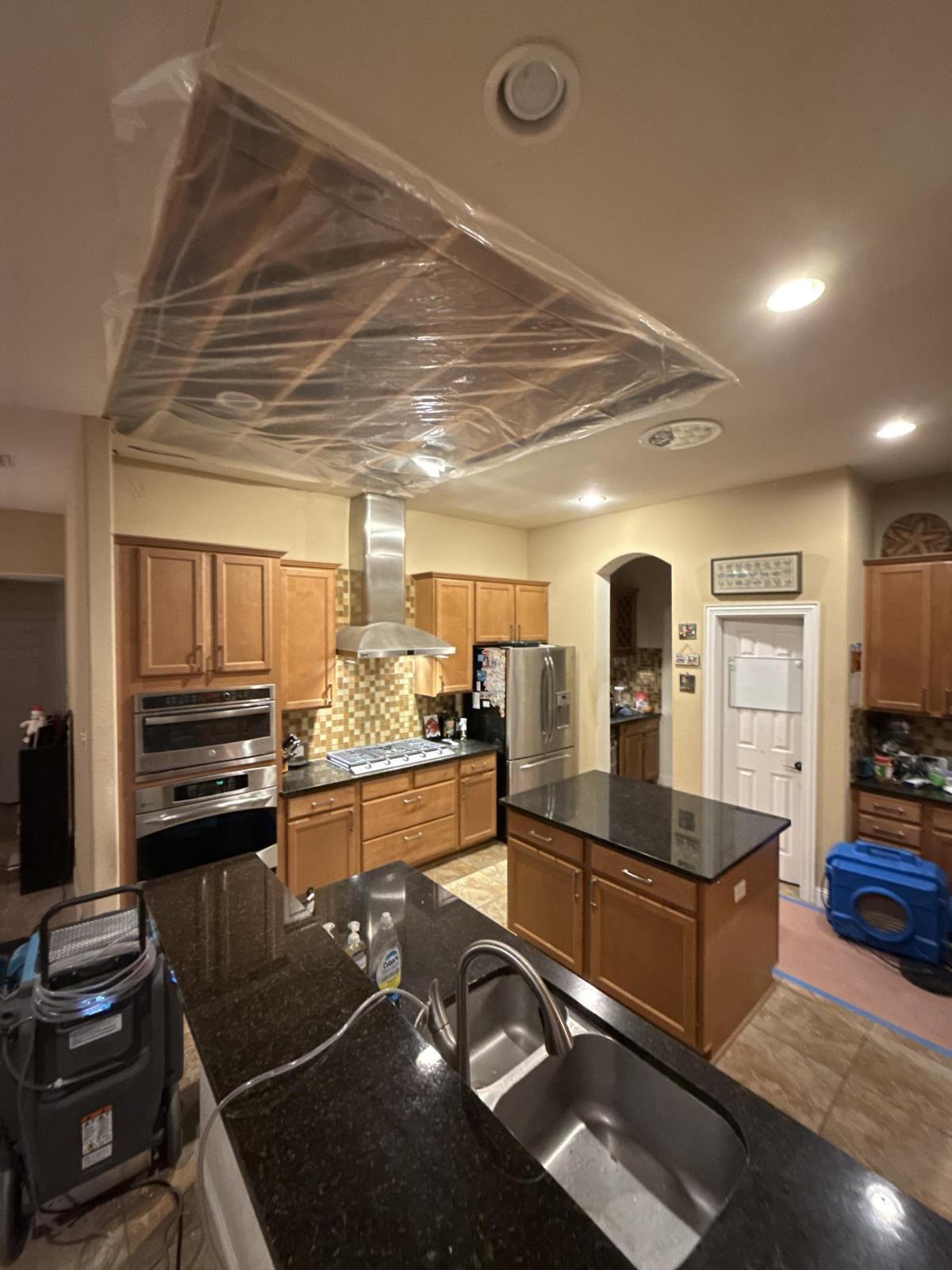
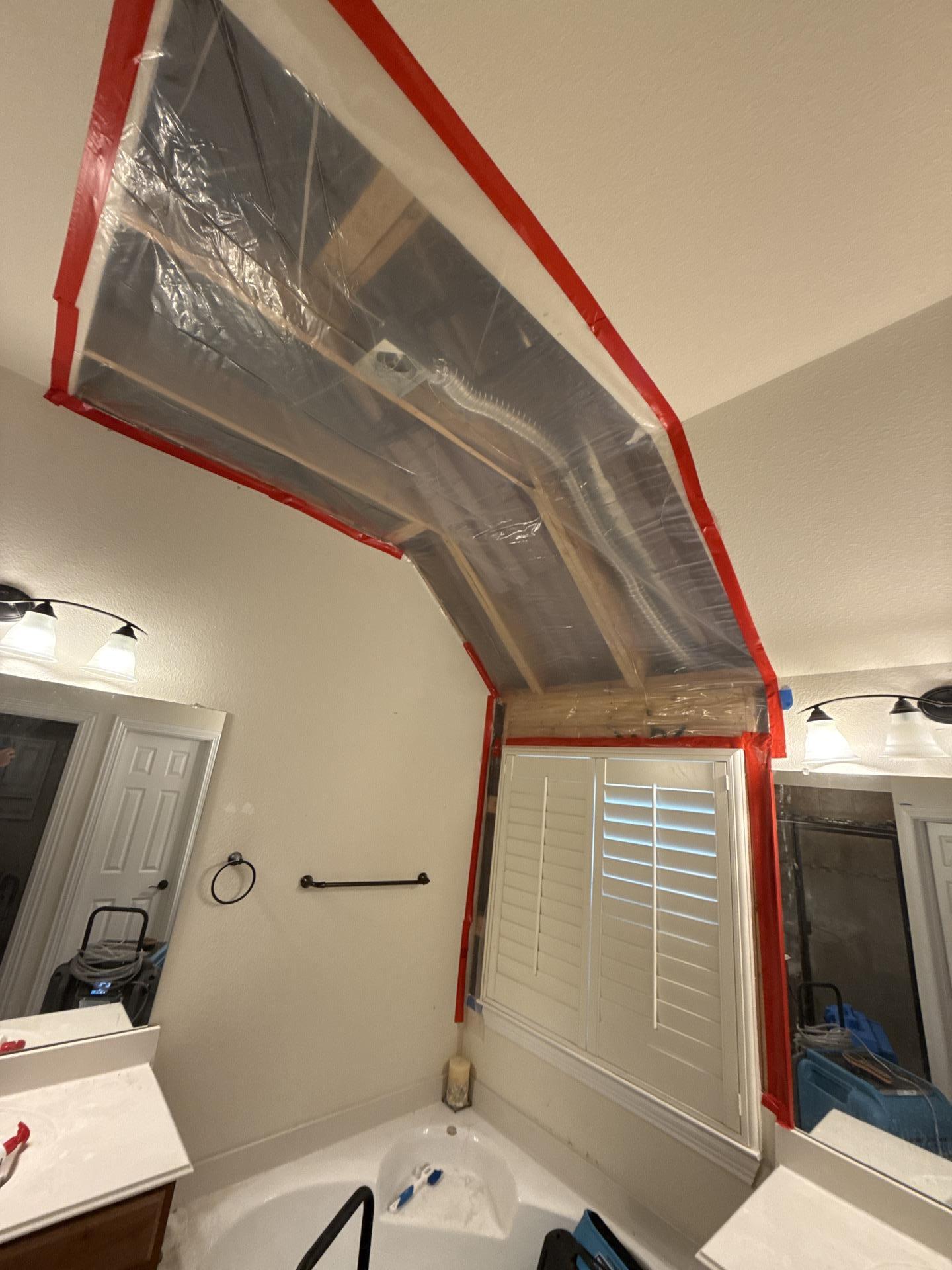
Step one was installing proper containment barriers. According to IICRC standards, containment prevents cross-contamination and protects unaffected areas of the home. Given the dusty conditions from the insulation, this was non-negotiable.
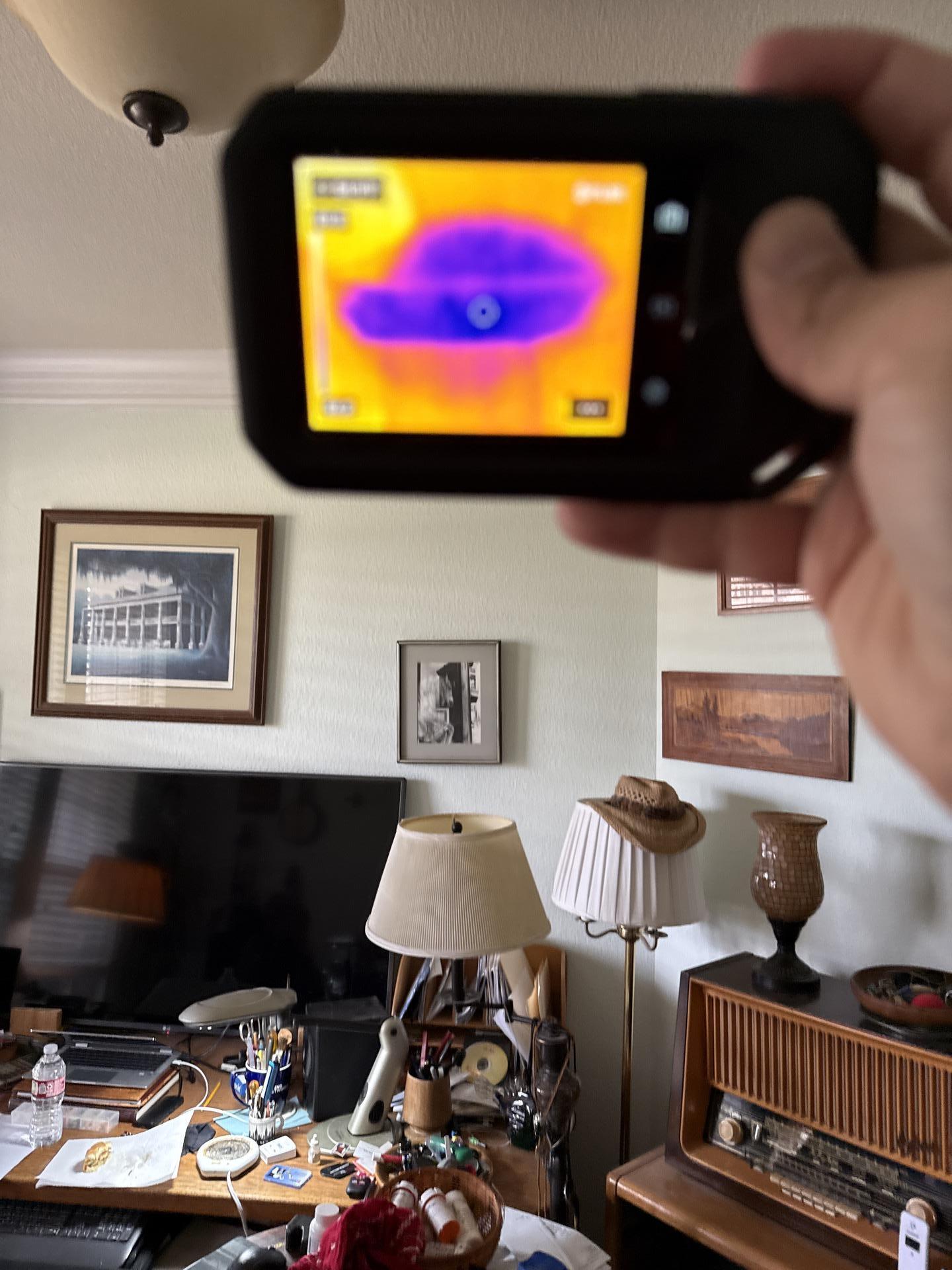
Our IICRC-certified technicians used thermal imaging cameras to identify hidden moisture pockets in wall cavities and ceiling spaces. These cameras detect temperature differences that indicate moisture presence, something standard moisture meters can miss. This technology is crucial for finding water that’s traveled through spaces you can’t see.
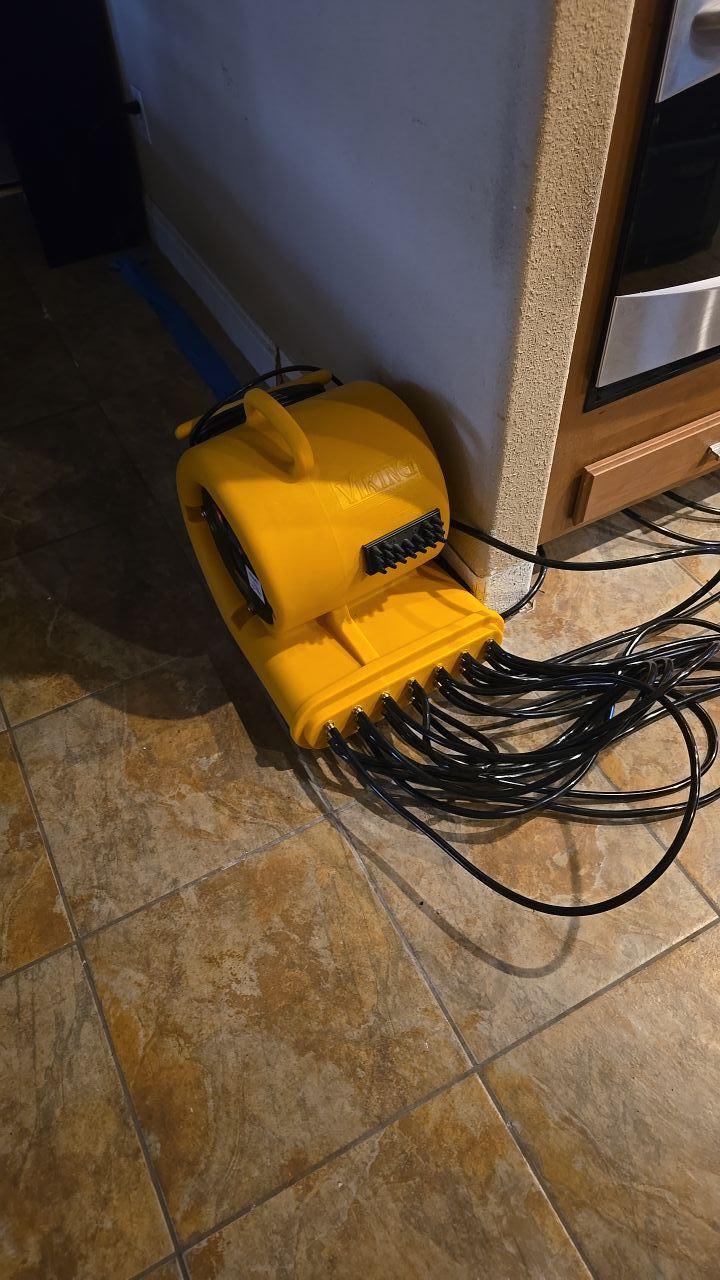
We then deployed specialized drying equipment throughout all six affected rooms. Heat dryers accelerated evaporation in wall cavities, while commercial-grade dehumidifiers removed moisture from the air. The goal? Get everything dried to acceptable moisture levels before mold could establish itself.
Mitigation Equipment & Moisture Detection
HEPA Vacuuming and Antimicrobial Treatment
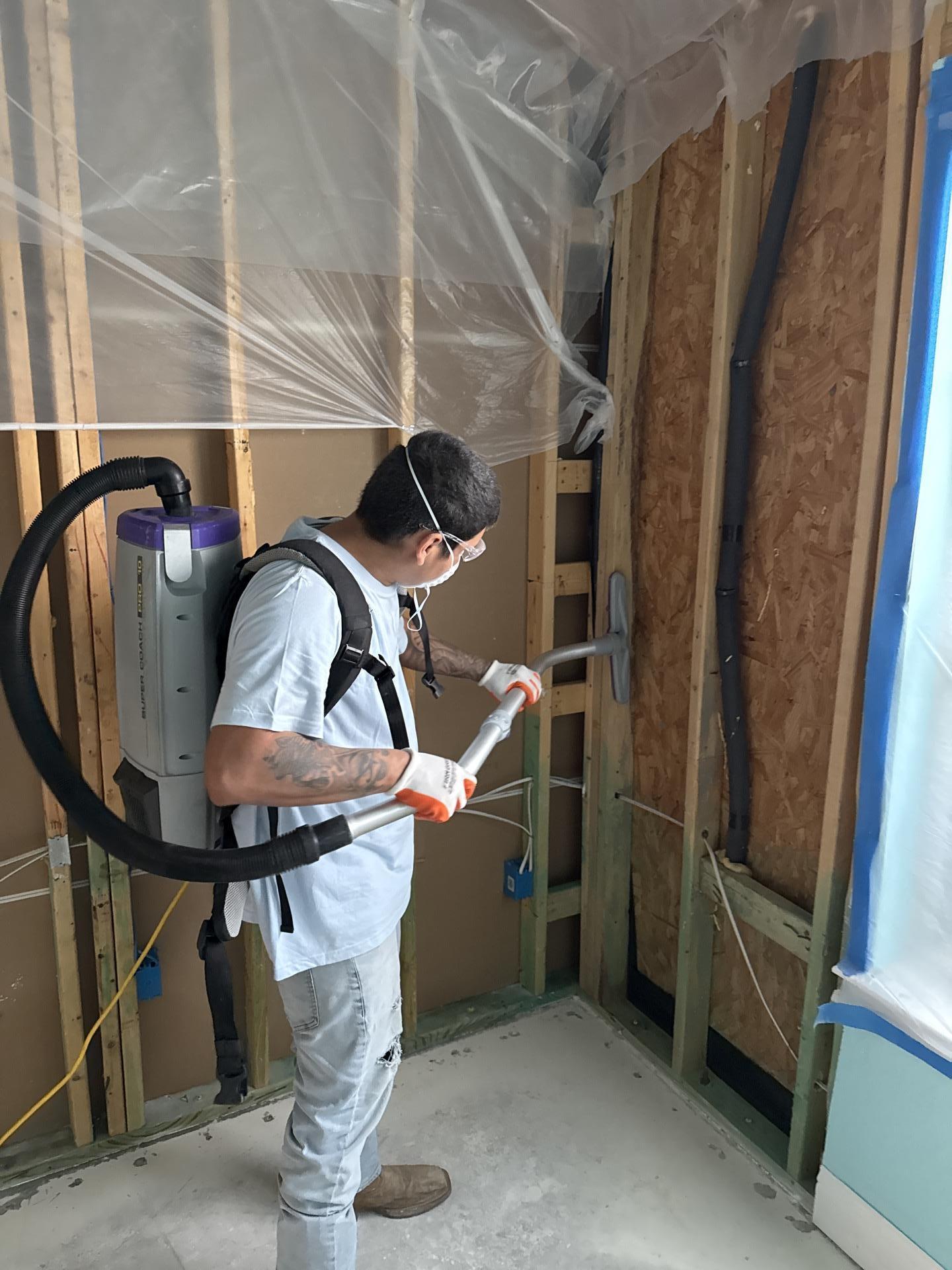
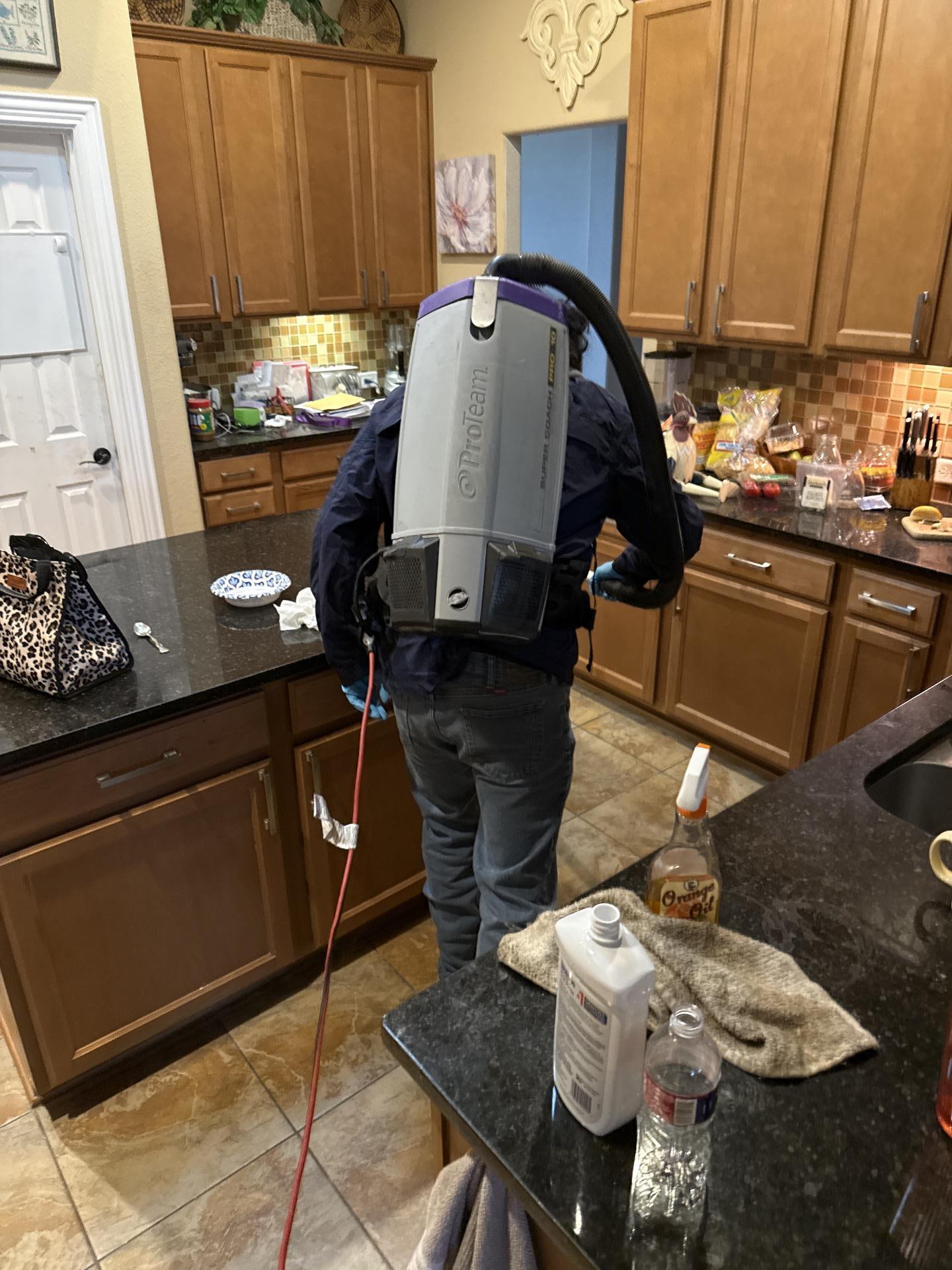
The blown-in insulation created significant particulate matter throughout affected spaces. We performed thorough HEPA vacuuming in every room to remove dust, debris, and potential contaminants. HEPA filtration captures 99.97% of particles 0.3 microns or larger, ensuring clean air quality.
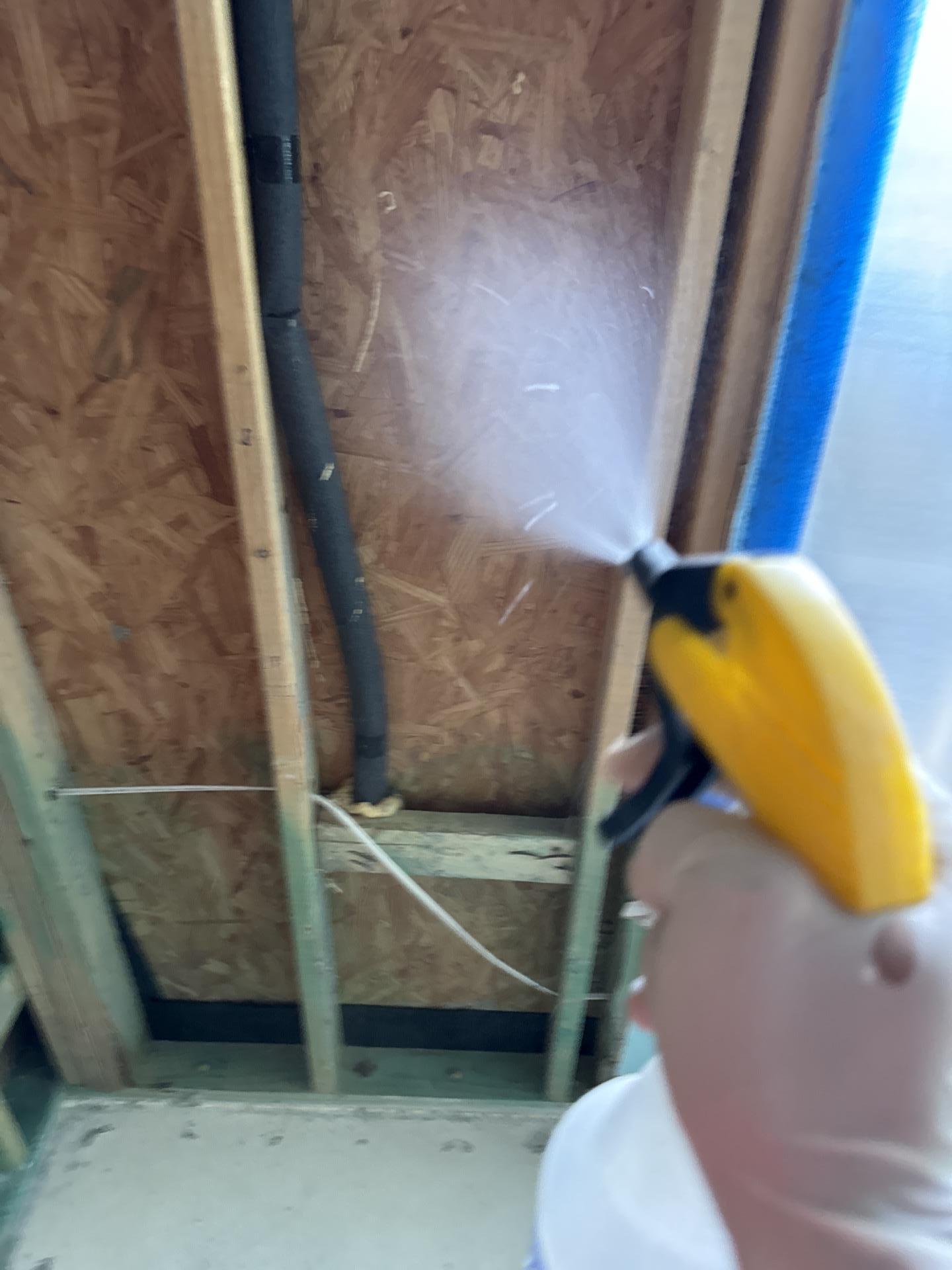
After cleanup, we applied EPA-registered antimicrobial treatments to all affected surfaces. This step prevents microbial growth during the drying process and provides an additional layer of protection. If you’re dealing with hidden leak detection needs, thermal imaging during this phase often reveals issues that could cause future damage.
Cleanup & Antimicrobial Application
Reconstruction: Restoring What Was Lost
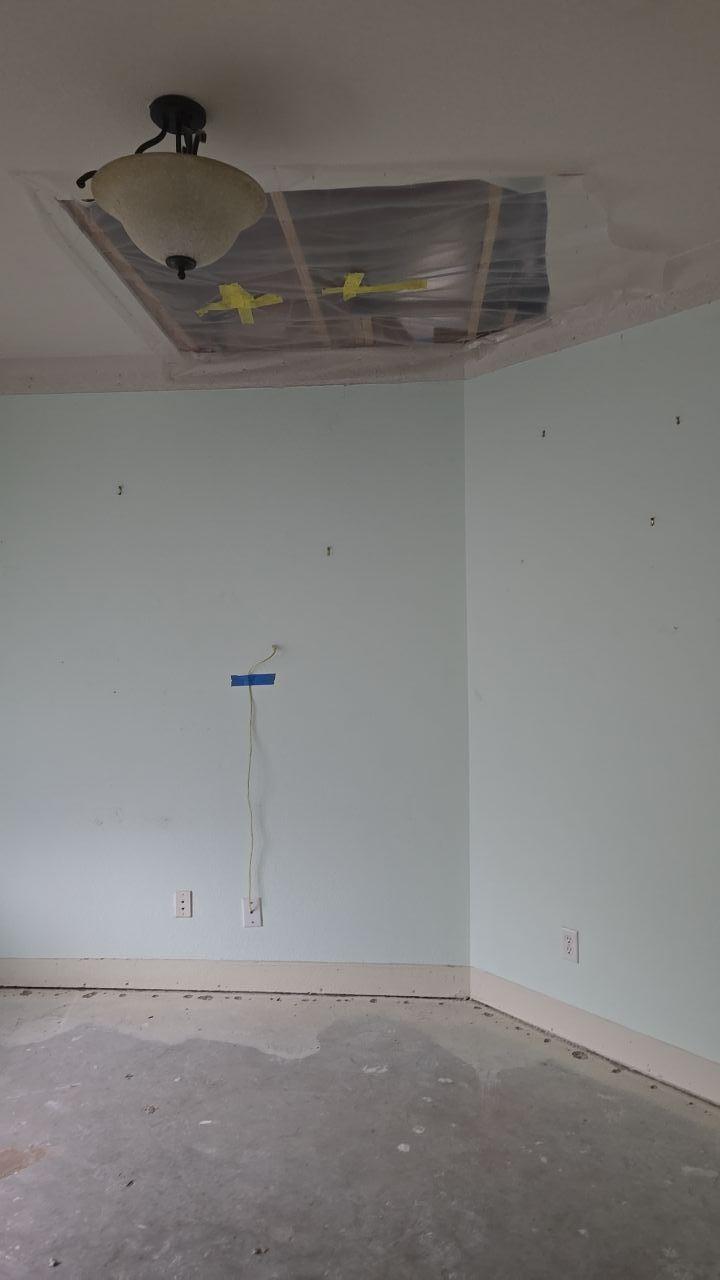
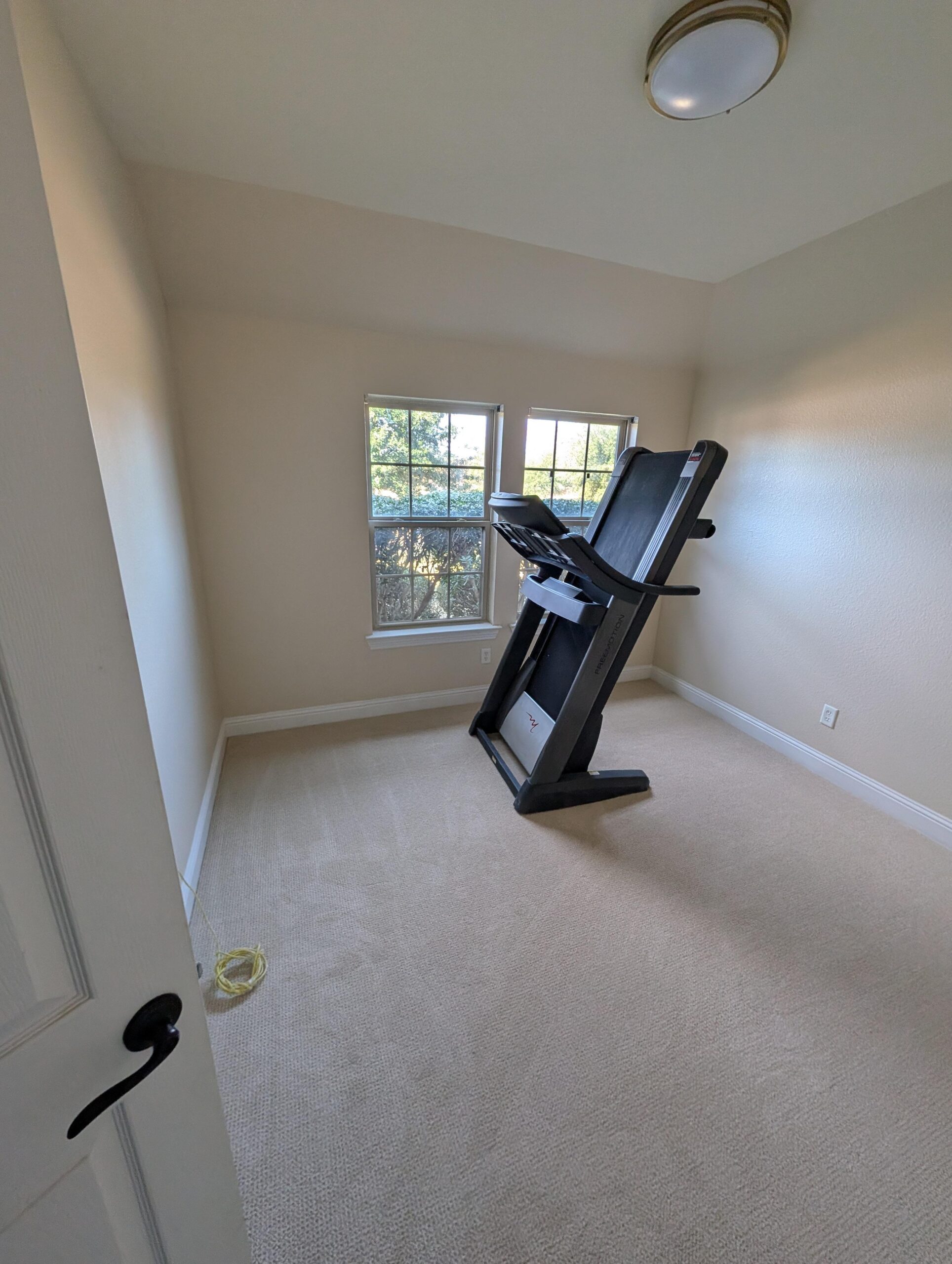
Once everything was properly dried and treated, we moved into the reconstruction phase. The insurance adjuster was excellent to work with and approved carpet replacement for all affected rooms, which made a significant difference in the final result.
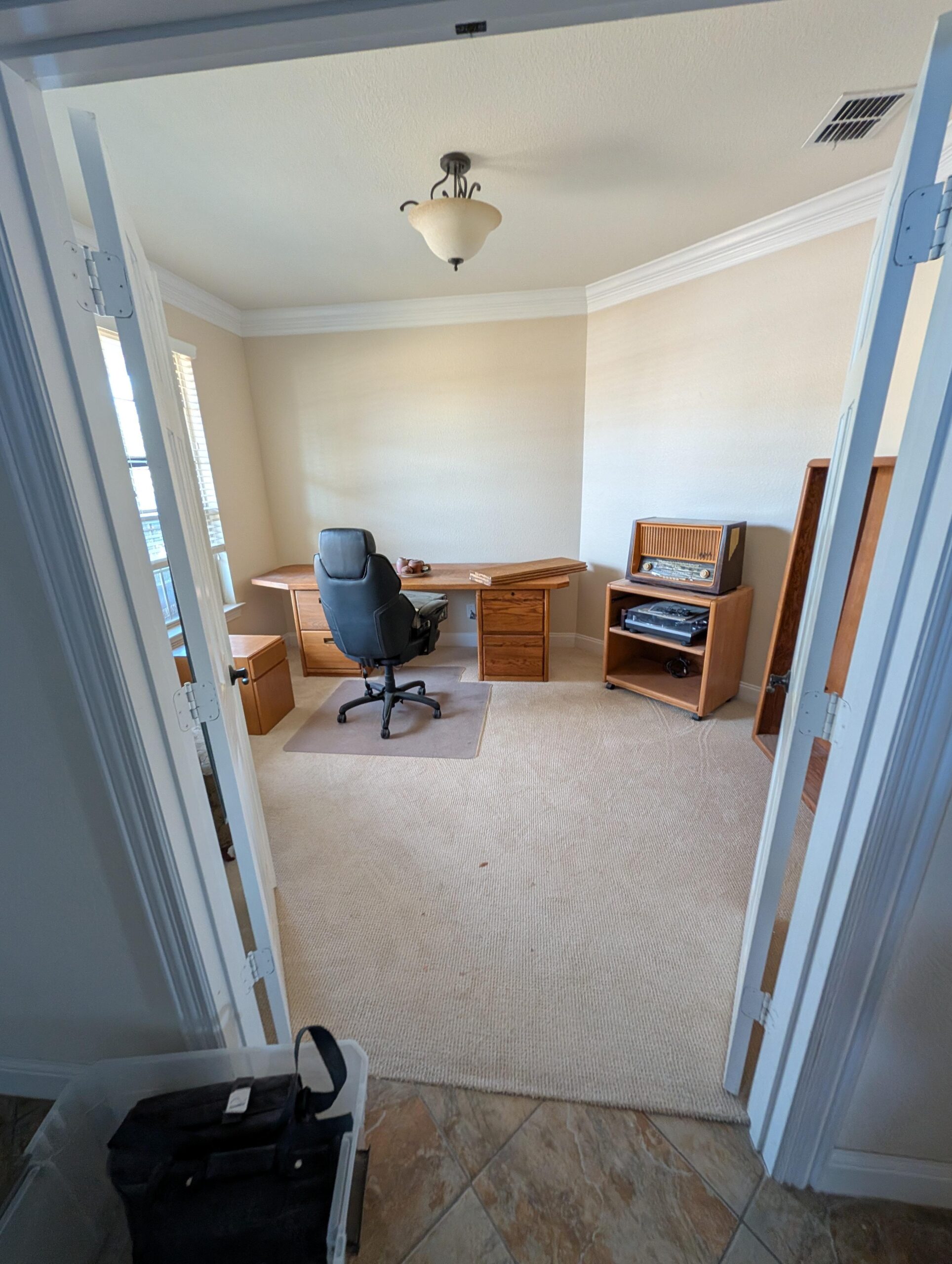
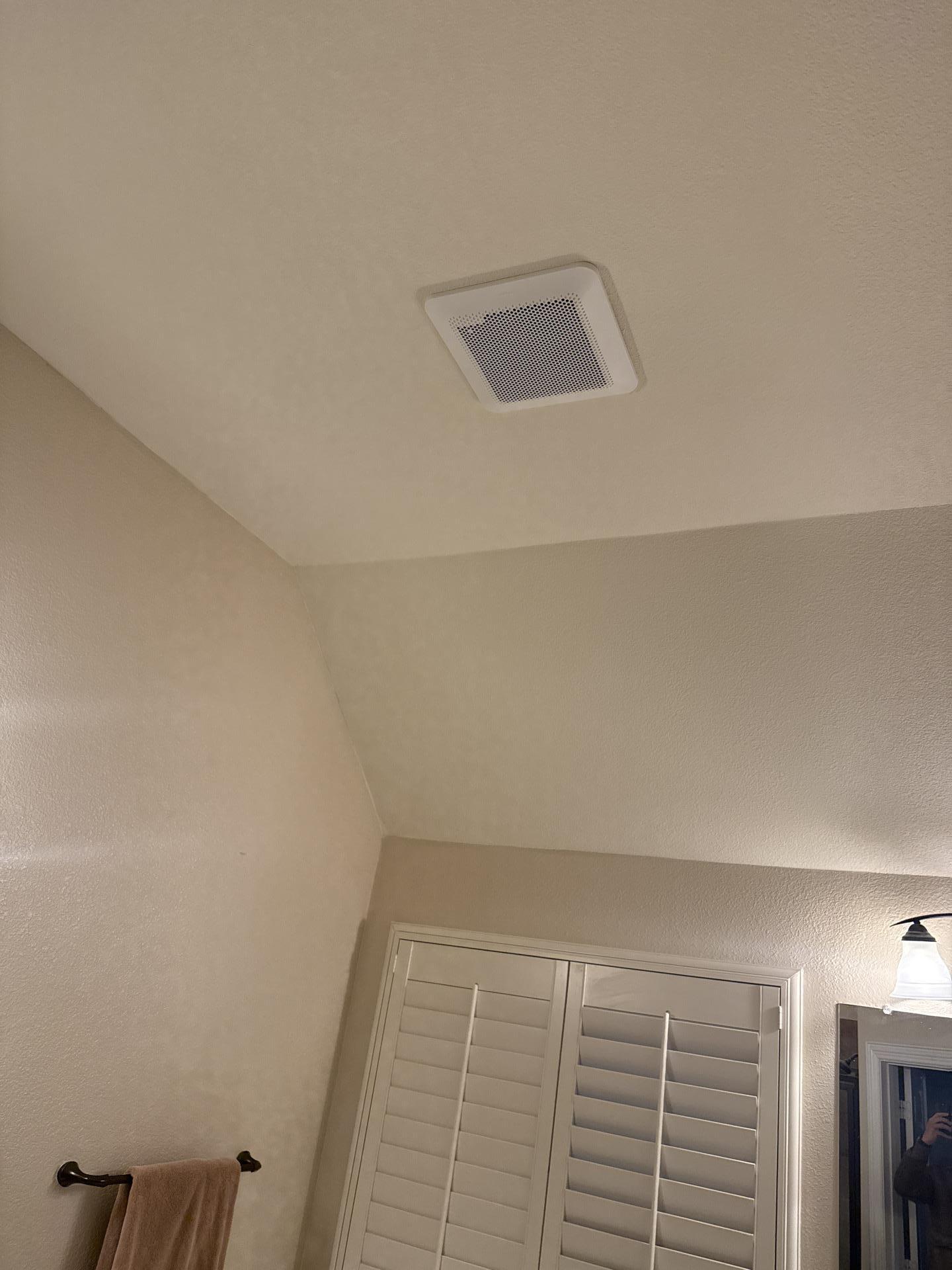
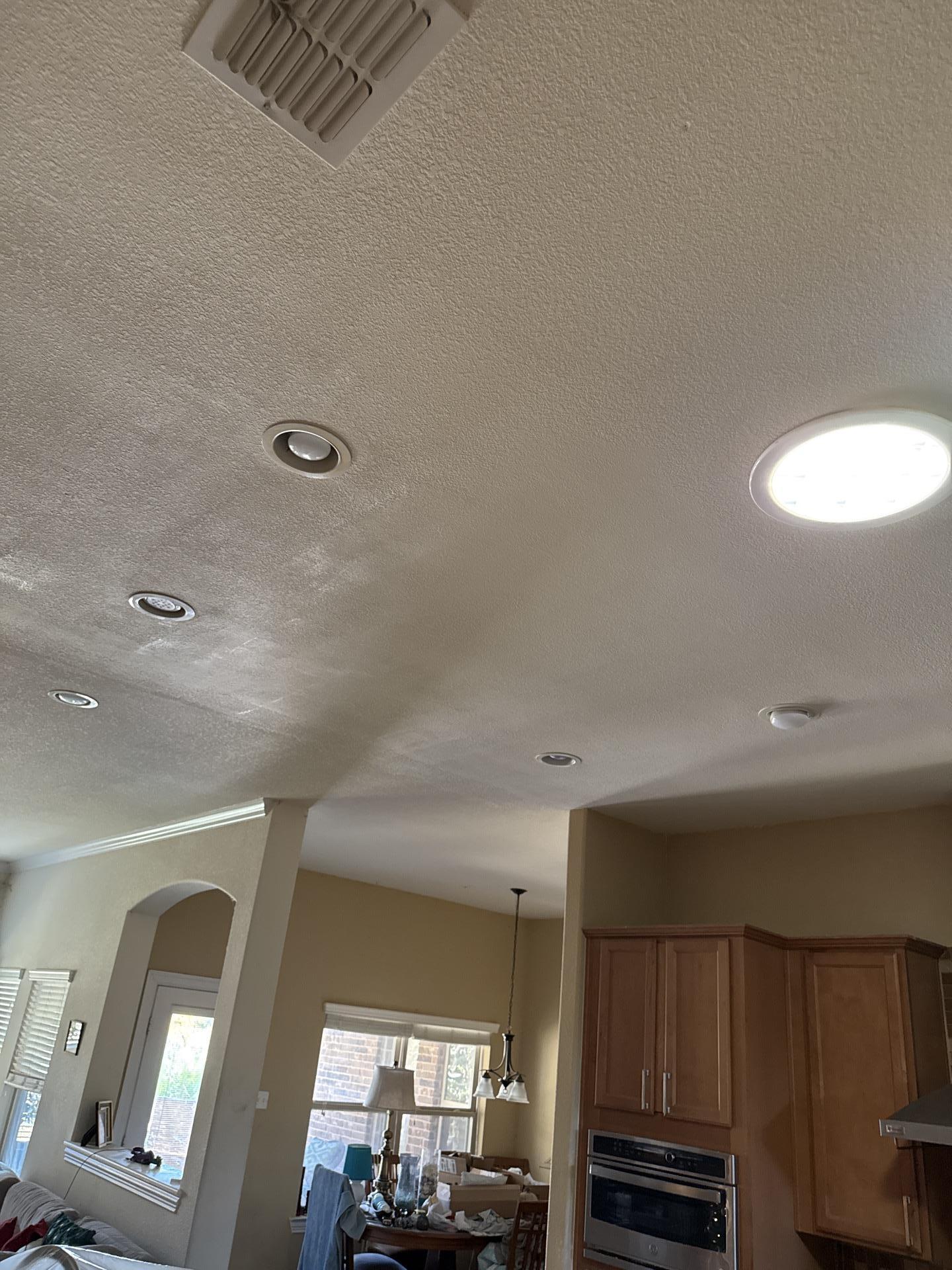
We rebuilt ceilings, replaced damaged drywall, and restored every affected space to pre-loss condition. Actually, the homeowner would probably say we left things in better shape than before. Fresh paint, new carpet in multiple rooms, and completely restored ceilings gave these spaces a refreshed look.
Working With Insurance
Insurance coordination can make or break a restoration project. We documented everything meticulously, took detailed photos at each stage, and communicated directly with the adjuster throughout the process. This Lucas homeowner didn’t have to navigate the claims process alone, which reduced stress during an already difficult situation.
The adjuster’s approval for full carpet replacement in all impacted rooms shows what’s possible when you have proper documentation and work with restoration professionals who understand the insurance process. Homeowners facing similar situations should know that professional water damage restoration often includes insurance coordination as part of the service.
Restoration Complete: Before & After
Lessons From This Lucas Restoration Project
This job reinforced several important points we share with all DFW homeowners:
- Attic leaks spread fast. What starts in one room can impact multiple spaces within days as water travels through ceiling cavities and wall spaces.
- Response time matters. Our team arrived quickly, which prevented secondary damage like mold growth. According to the EPA, mold can begin growing within 24-48 hours in the right conditions.
- Proper containment protects your home. The dusty conditions from blown-in insulation would have contaminated other areas without physical barriers.
- Thermal imaging finds hidden problems. Standard moisture meters only detect surface moisture. Thermal cameras reveal what’s happening inside walls and ceilings.
- Insurance works better with documentation. Detailed photos, moisture readings, and professional communication help adjusters approve appropriate repairs.
North Texas homeowners dealing with similar situations should also check out our guide on hidden signs of water damage, especially if you suspect problems in hard-to-access spaces like attics or crawl spaces.
The Result: A Restored Home and Happy Homeowner
This Lucas family can now enjoy their fully restored home without worrying about lingering moisture, hidden mold, or subpar repairs. It was a pleasure working with them through this process, and we’re proud of how everything turned out.
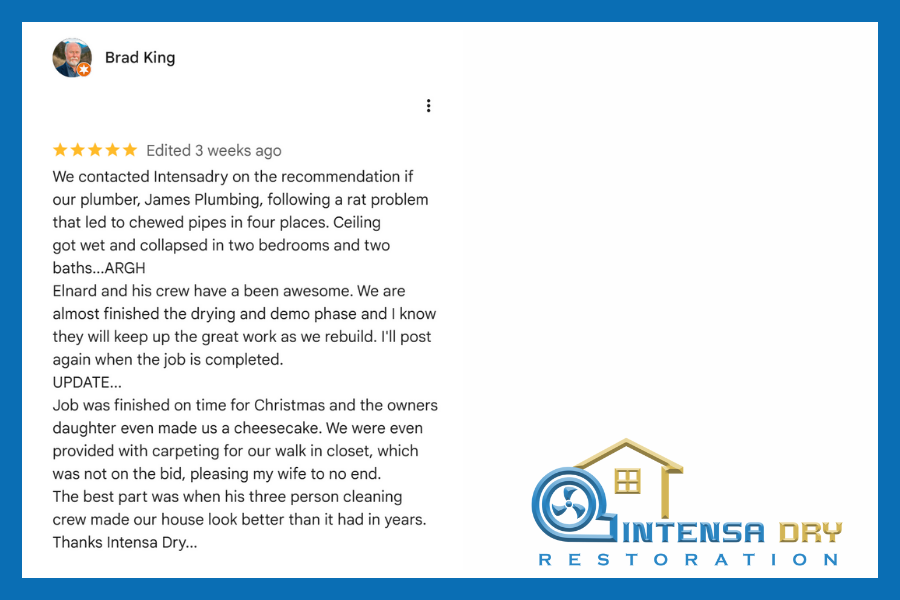
The homeowner’s positive experience shows in their five-star review. When restoration is done right, with proper containment, thorough drying, antimicrobial treatment, and quality reconstruction, homes come back better than before the damage occurred.
What Our Customer Had to Say
Need Water Damage Restoration in Lucas or the DFW Area?
At Intensa Dry Restoration, we respond to water damage emergencies across the Dallas-Fort Worth metroplex with an average response time under 40 minutes. Our IICRC-certified technicians handle everything from initial mitigation through complete reconstruction, and we work directly with your insurance company to make the process as smooth as possible.
We provide:
- 24/7 emergency water damage response
- Thermal imaging and moisture detection
- Proper containment and HEPA air filtration
- Complete reconstruction services
- Direct insurance billing and claims assistance
- Free consultations and inspections
Call (972) 992-7331 for immediate assistance
Serving Lucas, Plano, Frisco, McKinney, Allen, Wylie, Richardson, Garland, Lewisville, and the entire Dallas-Fort Worth area with professional water damage restoration, mold remediation, and fire damage restoration services.