Jump to Section:
Nobody plans for a fire. One minute you’re cooking dinner or charging your phone, and the next, you’re watching flames consume parts of your home. Even after the fire is out, the nightmare isn’t over. You’re left with soot-covered walls, a house that smells like a campfire gone wrong, and a thousand questions racing through your mind.
The biggest question? What happens now?
If you’re dealing with fire damage in the DFW area, understanding fire damage restoration and how your insurance coverage works can help you move forward with confidence. At Intensa Dry Restoration, we’ve helped countless families and businesses recover from fire damage, and we’re here to walk you through what this process actually looks like.
What Is Fire Damage Restoration?
Fire damage restoration is the professional process of cleaning up, repairing, and rebuilding your property after a fire. It’s not just about sweeping up ash and repainting walls. True restoration involves specialized techniques to remove soot, eliminate smoke odors, repair structural damage, and restore your property to its pre-fire condition.
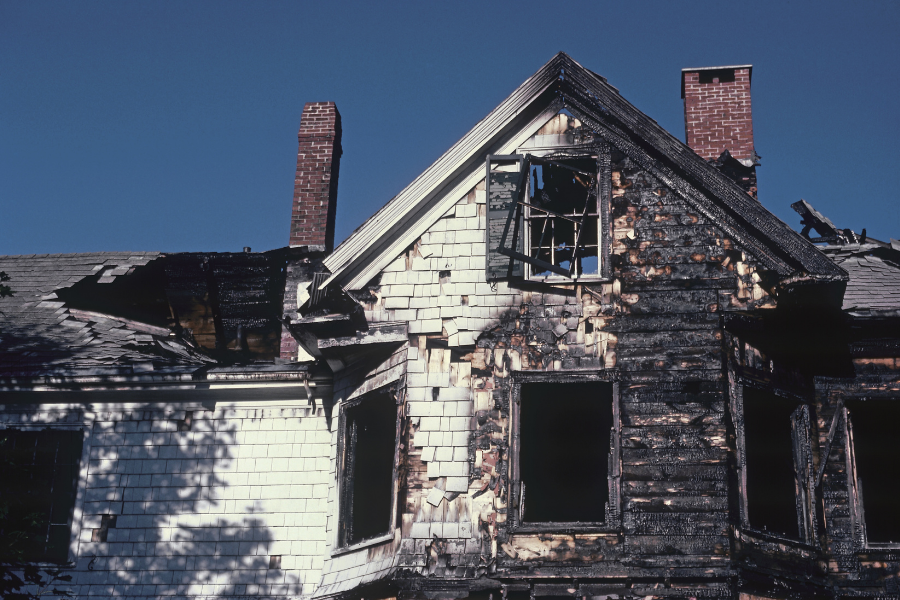
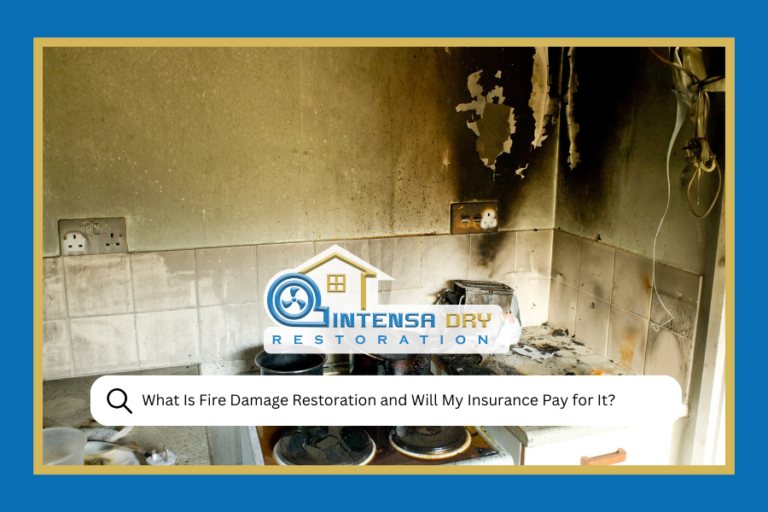
Fire damage extends beyond visible burns, with smoke and soot penetrating deep into walls, insulation, and other porous materials throughout your home.
Here’s the thing: fire damage goes way beyond what you can see. Sure, the charred furniture and blackened walls are obvious. But smoke particles penetrate deep into porous materials like drywall, insulation, and fabrics. Soot creates acidic residues that continue damaging surfaces long after the flames are extinguished. And then there’s the water damage from firefighting efforts, which can lead to mold growth if not addressed quickly.
The Complete Fire Restoration Process
Professional fire damage restoration isn’t a one-and-done deal. It’s a multi-step process that requires expertise, specialized equipment, and careful attention to detail.
Fire Restoration Timeline
Emergency Response (0-2 Hours)
Rapid arrival, damage assessment, property securing, and immediate stabilization
Water Removal & Drying (1-3 Days)
Extract water from firefighting efforts, set up industrial dehumidifiers, prevent mold
Smoke & Soot Removal (3-7 Days)
Deep cleaning with specialized agents, HEPA vacuums, removal of damaged materials
Odor Elimination (5-10 Days)
Thermal fogging, ozone treatments, hydroxyl generators, HVAC cleaning
Restoration & Reconstruction (2-8 Weeks)
Repair structures, replace drywall, refinish flooring, complete rebuild
Emergency Response and Assessment
The first step happens fast, ideally within hours of the fire. At Intensa Dry Restoration, our average emergency response time is under 40 minutes. We know that every minute counts when it comes to preventing further damage.
During the initial assessment, our team evaluates the full extent of the damage. We’re looking at structural integrity, smoke penetration, water damage from firefighting efforts, and safety hazards. This assessment determines the restoration plan and helps you understand what’s salvageable and what needs replacing.
Board-Up and Property Securing
If your property has broken windows, damaged doors, or compromised walls, we work with trusted partners to secure your home or business. This prevents theft, vandalism, and weather-related damage while restoration work is underway. We also help with tarping damaged roofs to keep additional water out.
Water Removal and Drying
Here’s something most people don’t realize: the water used to put out the fire often causes as much damage as the fire itself. Firefighters use thousands of gallons of water, which can soak into floors, walls, and everything in between.
Our team uses industrial-grade water extraction equipment and dehumidifiers to remove standing water and dry out affected areas. This step is critical for preventing mold growth, which can start developing within 24-48 hours in damp conditions. Learn more about our water damage restoration services that complement fire recovery.
Need Immediate Help After a Fire?
Our team at Intensa Dry Restoration is available 24/7 with emergency response throughout the DFW area.
Average response time: Under 40 minutes
Smoke and Soot Removal
Smoke and soot are sneaky. They travel through your HVAC system, settle into carpets, and coat everything with a greasy, acidic film. Different types of fires create different types of residue, whether it’s protein residue from kitchen fires or petroleum-based soot from burning plastics.
We use specialized cleaning agents, HEPA vacuums, and professional techniques to remove soot from all surfaces, including walls, ceilings, furniture, and personal belongings. For porous materials that can’t be fully cleaned, removal and replacement may be necessary.
Odor Removal and Deodorization
That smoky smell isn’t just unpleasant. It’s actually smoke particles embedded in your home’s materials. Regular air fresheners won’t cut it.
Professional odor removal involves thermal fogging, ozone treatments, and hydroxyl generators that neutralize smoke particles at a molecular level. We also clean or replace air ducts and filters to eliminate lingering odors circulating through your ventilation system.
Cleaning and Sanitizing
Every surface affected by fire, smoke, or water needs thorough cleaning and sanitizing. This includes floors, walls, ceilings, fixtures, and any salvageable contents. We use antimicrobial treatments to prevent bacterial growth and ensure your property is safe for occupancy.
Restoration and Reconstruction
The final phase involves repairing and rebuilding damaged structures. This might include:
- Replacing drywall and insulation
- Refinishing or replacing flooring
- Repainting walls and ceilings
- Replacing damaged fixtures and cabinets
- Rebuilding structural elements
At Intensa Dry Restoration, we handle the cleanup and coordinate with trusted contractors for larger reconstruction services to get your property back to normal.
Common Causes of House Fires in North Texas
Understanding how fires start can help you prevent them. In the DFW area, we see certain causes more frequently than others.
Cooking Equipment
Kitchen fires are the number one cause of house fires nationwide, and Texas is no exception. Unattended stovetops, grease fires, and overheated cooking oil are common culprits. Always stay in the kitchen when cooking, and keep flammable items like towels and paper away from heat sources.
Electrical Issues
Older homes in areas like Plano, McKinney, and Frisco may have outdated electrical systems that weren’t designed for today’s power demands. Overloaded circuits, faulty wiring, and damaged electrical cords can spark fires. According to the U.S. Fire Administration, electrical failures cause an estimated 24,200 residential fires annually. If you notice flickering lights, frequently tripped breakers, or burning smells near outlets, call an electrician immediately.
Heating Equipment
During those chilly December and January nights in North Texas, space heaters work overtime. Unfortunately, they’re also a leading cause of winter fires. Keep heaters at least three feet away from anything that can burn, and never leave them running unattended or while you sleep.
Smoking Materials
Cigarettes, cigars, and other smoking materials cause thousands of fires each year. If you smoke, always use deep, sturdy ashtrays and never smoke in bed or when drowsy.
Candles
Candles create a cozy atmosphere, but they’re open flames that require constant supervision. Keep them away from curtains, papers, and anything flammable. Better yet, consider switching to flameless LED candles.
Will My Insurance Cover Fire Damage Restoration?
Now for the million-dollar question, quite literally. The answer is usually yes, but with some important details you need to know.
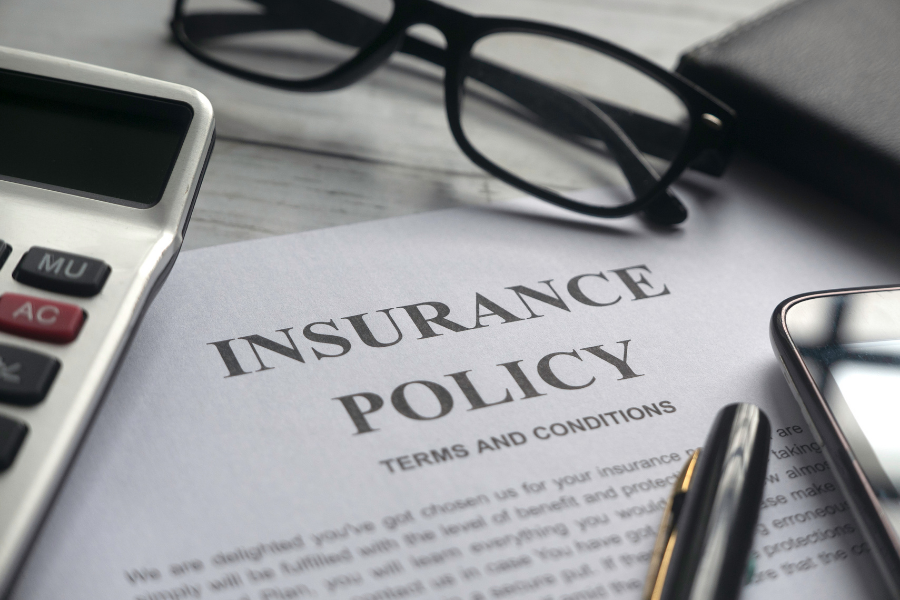
Understanding your insurance coverage and properly documenting fire damage helps ensure you receive fair compensation for restoration costs.
What Homeowners Insurance Typically Covers
Most standard homeowners insurance policies include fire damage coverage as part of the dwelling protection. This typically covers:
- Structural repairs to your home
- Fire damage restoration services
- Smoke and soot damage cleanup
- Water damage from firefighting efforts
- Temporary living expenses if your home is uninhabitable
- Personal property replacement (up to policy limits)
The coverage extends to various types of fire damage, including cooking fires, electrical fires, lightning strikes, and even wildfires in some cases. Your policy should cover both the actual fire damage and the secondary damage caused by smoke, soot, and water used to extinguish the flames.
What Insurance May NOT Cover
Here’s where things get tricky. Insurance companies may deny or limit coverage in certain situations:
Intentional Fires
If the insurance company determines the fire was set intentionally, your claim will be denied. This includes arson by the homeowner or a household member.
Neglect or Lack of Maintenance
If the fire resulted from severe neglect or failure to maintain your property, insurers may argue you’re at fault. For example, if you ignored warnings about faulty electrical wiring and it caused a fire, you might face coverage issues.
Vacant Properties
Many policies exclude or limit coverage for fires that occur in vacant homes. If your property has been unoccupied for more than 30-60 days (depending on your policy), check with your insurer about coverage requirements.
Business Activities
Running a business from your home could affect coverage. Some policies exclude damage related to business operations unless you have additional business insurance.
Understanding Your Policy Limits and Deductibles
Your fire damage coverage has limits, which represent the maximum amount your insurance company will pay. These limits apply to different categories:
- Dwelling coverage (the structure itself)
- Personal property coverage (your belongings)
- Additional living expenses (temporary housing)
- Other structures (detached garages, sheds)
You’ll also have a deductible, the amount you pay out of pocket before insurance kicks in. Typical deductibles range from $500 to $2,500 or more. Choosing a higher deductible lowers your premium but increases your upfront costs after a fire.
How to File a Fire Damage Insurance Claim
Filing an insurance claim after a fire can feel overwhelming when you’re already dealing with trauma and displacement. Here’s a step-by-step guide to help you navigate the process.
Immediate Steps After the Fire
1. Ensure Everyone’s Safety First
Before worrying about property or paperwork, make sure everyone is safe and accounted for. Seek medical attention for any injuries, even minor ones like smoke inhalation.
2. Contact Your Insurance Company ASAP
Most policies require prompt notification of losses. Call your insurance company as soon as possible, typically within 24-48 hours. They’ll assign a claims adjuster and explain the next steps.
3. Document Everything
Take photos and videos of all fire, smoke, and water damage before anything is moved or cleaned. Document damaged personal property, structural issues, and the overall condition of your home. This visual evidence supports your claim.
4. Secure Your Property
You’re responsible for preventing further damage after a fire. This might mean boarding up windows, covering holes in the roof, or turning off utilities. Keep receipts for these emergency expenses, most insurance policies reimburse reasonable costs.
5. Make a List of Damaged Items
Create a detailed inventory of damaged or destroyed personal property. Include descriptions, approximate ages, purchase prices if you remember them, and replacement costs. Dig up old receipts, photos, or credit card statements that prove ownership and value.
Working with the Insurance Adjuster
Your insurance company will send an adjuster to inspect the damage and estimate repair costs. Here’s what you need to know:
- The adjuster works for the insurance company, not for you
- Be present during the inspection if possible
- Point out all damage, including hidden issues
- Don’t sign anything without reading it carefully
- Consider getting your own independent inspection
At Intensa Dry Restoration, we work directly with insurance companies and can provide detailed estimates that support your claim. We understand what adjusters look for and can help ensure nothing gets overlooked.
Common Claim Mistakes to Avoid
Don’t Discard Damaged Items Too Quickly
Keep damaged property until the adjuster has seen it or given you permission to dispose of it. Premature disposal can hurt your claim.
Don’t Accept the First Offer Without Review
Insurance companies often make initial settlement offers that are lower than what you’re entitled to receive. Review the offer carefully and don’t hesitate to negotiate.
Don’t Wait Too Long
Most policies have deadlines for filing claims and completing repairs. Missing these deadlines could jeopardize your coverage. Learn more about working with insurance companies during water and fire damage claims to protect your interests.
Don’t Forget About Additional Living Expenses
If your home is uninhabitable, your policy likely covers hotel stays, restaurant meals, and other temporary living costs. Keep all receipts and submit them for reimbursement.
Why You Need Professional Fire Damage Restoration
After a fire, you might be tempted to handle cleanup yourself to save money. We understand that impulse, especially when insurance questions are looming. But DIY fire restoration rarely works out well, and here’s why.
Health and Safety Risks
Fire-damaged structures are dangerous. Weakened floors and ceilings can collapse. Electrical systems may be compromised. Toxic chemicals from burned materials create health hazards. Professional restoration teams have safety training and protective equipment to handle these risks.
Soot and smoke residue contain harmful substances, including carbon monoxide, formaldehyde, and other carcinogens. Without proper protective gear, you risk respiratory problems and skin irritation. Understanding the hidden dangers of soot and ash helps explain why professional handling is essential.
Specialized Equipment Required
Professional fire restoration requires industrial equipment you can’t rent at your local hardware store. This includes thermal imaging cameras to detect hidden moisture, hydroxyl generators for odor removal, HEPA filtration systems, and commercial-grade dehumidifiers.
Hidden Damage Assessment
Fires cause damage you can’t always see. Smoke travels through wall cavities, ductwork, and attics. Water from firefighting efforts seeps into structural materials. Only professional assessment can identify these hidden problems before they lead to mold growth or structural failure.
Insurance Documentation
Professional restoration companies provide detailed documentation that insurance companies require. We create comprehensive estimates, take thorough photos, and maintain records that support your claim. This documentation can mean the difference between full coverage and a denied claim.
Faster Recovery
Professional teams work efficiently to restore your property quickly. What might take you weeks or months to tackle on weekends, experienced crews can accomplish in days. Faster restoration means lower additional living expenses and quicker return to normalcy.
How Intensa Dry Restoration Helps with Fire Damage
When fire strikes your DFW home or business, our team at Intensa Dry Restoration is ready to respond. We’re locally owned and operated, which means we understand the unique challenges North Texas properties face.
Our 24/7 Emergency Response
Fires don’t follow business hours, and neither do we. We offer 24/7 emergency response throughout the MetroPlex with an average arrival time of under 40 minutes. The faster we arrive, the more we can do to minimize damage and protect your property.
Comprehensive Services
Our fire damage restoration services cover everything from initial emergency response through final reconstruction:
- Immediate damage assessment
- Emergency board-up and securing
- Water extraction and structural drying
- Soot and smoke removal
- Professional deodorization
- Content cleaning and restoration
- Complete reconstruction coordination
Working with Your Insurance
We work directly with insurance companies throughout the DFW area. Our team provides detailed estimates, maintains thorough documentation, and communicates with adjusters to streamline your claim. We want to make this process as stress-free as possible.
IICRC Certified Professionals
Our technicians are IICRC certified in fire and water damage restoration. This certification means we follow industry best practices and use proven techniques to restore your property safely and effectively.
Local Expertise
As a family-owned business serving communities like Plano, McKinney, Allen, and surrounding areas, we understand local building codes, climate challenges, and community resources. We’re not a faceless national chain. We’re your neighbors.
What to Expect During Fire Restoration
Every fire is different, but here’s a general timeline for what to expect during the restoration process.
Week 1: Emergency Response and Stabilization
The first week focuses on emergency services. We’ll assess damage, remove water, board up openings, and begin initial cleaning. Your insurance adjuster will likely inspect during this time.
Weeks 2-3: Deep Cleaning and Restoration
During weeks two and three, we perform detailed soot and smoke removal, odor elimination, and content cleaning. Salvageable items are cleaned and deodorized. Unsalvageable items are documented and disposed of properly.
Weeks 4+: Reconstruction
The reconstruction phase varies greatly depending on damage severity. Minor repairs might take just a few days. Extensive rebuilding could take several weeks or months. We’ll provide a detailed timeline based on your specific situation.
Throughout the process, we maintain regular communication so you always know what’s happening and what comes next.
Taking the First Step Toward Recovery
Dealing with fire damage is overwhelming. The physical damage, emotional trauma, insurance questions, and uncertainty about the future all pile up at once. But you don’t have to face this alone.
Professional fire damage restoration brings expertise, equipment, and compassion to help you recover. And in most cases, your insurance covers the cost, so financial concerns shouldn’t prevent you from getting the help you need.
If you’re facing fire damage in the DFW area, reach out to us at Intensa Dry Restoration. We offer free consultations to assess your situation and explain your options. Our team has over 20 years of combined experience helping families and businesses recover from fire damage.
Call us 24/7 at (972) 992-7331. We’re here to help you move forward, one step at a time.
Frequently Asked Questions About Fire Damage Restoration
Does my homeowners insurance cover the cost of professional fire damage restoration services?
Most standard homeowners insurance policies do cover professional fire damage restoration, including structural repairs, smoke and soot cleanup, water damage from firefighting efforts, and content restoration. However, coverage depends on the cause of the fire and policy exclusions. Intentionally set fires, damage from severe neglect, and fires in vacant properties may not be covered. Review your specific policy and speak with your insurance adjuster to understand your coverage limits and deductible requirements.
What’s the difference between fire damage restoration and regular fire cleanup?
Fire damage restoration goes far beyond basic cleanup. While cleanup involves removing visible debris and ash, professional restoration includes specialized soot removal using commercial-grade chemicals, complete water extraction and structural drying from firefighting efforts, professional odor elimination using thermal fogging and hydroxyl generators, antimicrobial treatments to prevent bacterial growth, and structural repairs or reconstruction. DIY cleanup can leave behind hidden damage, toxic residues, and persistent odors that worsen over time.
Will my insurance pay for temporary housing if I can’t live in my home during fire restoration?
Yes, most homeowners policies include Additional Living Expenses (ALE) or Loss of Use coverage that pays for temporary housing when your home is uninhabitable due to covered fire damage. This typically covers hotel rooms, short-term rentals, restaurant meals, and other necessary living expenses above your normal costs. Keep all receipts and submit them to your insurance company for reimbursement. Coverage usually continues until your home is restored or you reach your policy’s ALE limit.
How do insurance adjusters determine the value of my fire damage claim?
Insurance adjusters evaluate fire damage claims by inspecting all affected areas of your property, documenting structural damage and necessary repairs, reviewing your itemized list of damaged personal belongings, obtaining estimates from restoration contractors like Intensa Dry Restoration, calculating depreciation on damaged items based on age and condition, and comparing costs against your policy limits. Adjusters may initially offer lower settlements, so having professional documentation from certified restoration companies helps ensure you receive fair compensation for all damages.