Jump To:
When water invades your home, speed matters. But rushing through restoration without proper protocols creates hidden moisture, structural damage, and expensive mold problems. That’s why professional water damage restoration follows a structured 4-phase system developed by the Institute of Inspection, Cleaning and Restoration Certification (IICRC). Our team at Intensa Dry Restoration has restored over 2,000 DFW properties using this proven approach.
Understanding how professionals tackle water damage shows you what to expect and why DIY methods fail. Water migrates through building materials, creating problems invisible without specialized equipment.
Phase 1: Emergency Response and Assessment
The clock starts ticking when water enters your property. Within 24 hours, moisture penetrates drywall, flooring, and insulation. That’s why certified companies provide 24/7 emergency response services with rapid dispatch.
Our team typically arrives within 40 minutes. Fast response prevents secondary damage. The longer water sits, the more expensive restoration becomes.
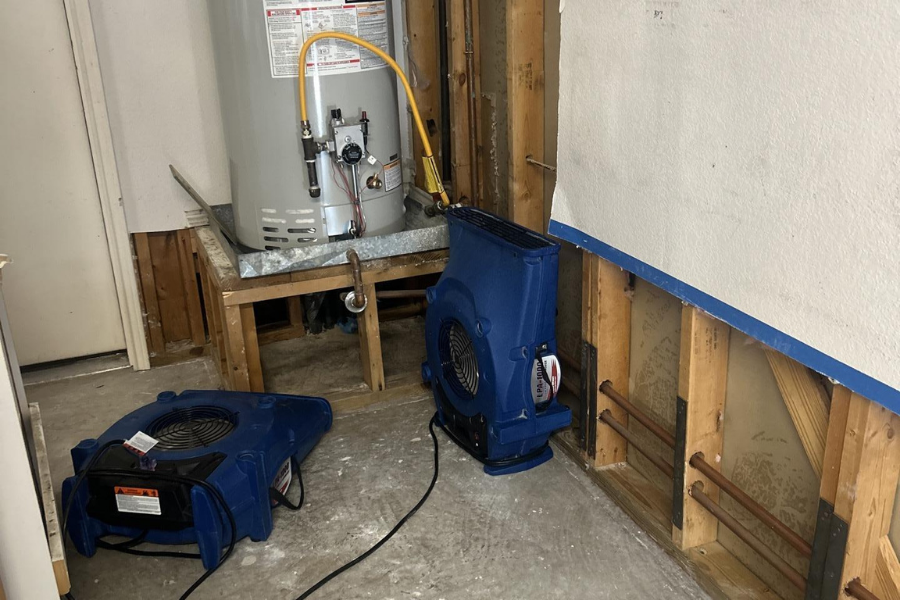
Advanced moisture detection equipment reveals hidden water damage invisible to the naked eye
What Happens During Initial Assessment
Technicians use thermal imaging cameras to detect moisture behind walls and under floors. These infrared tools reveal temperature differences indicating trapped water, even when surfaces appear dry.
Moisture meters provide precise readings at multiple depths. Wood, drywall, and concrete absorb water differently. Exact moisture levels help create effective drying plans.
Professionals document water source, category classification (clean/grey/black), affected materials, moisture readings, structural stability, and photo evidence for insurance claims.
This documentation phase matters for insurance claims. Professional restoration companies handle paperwork as part of their service, particularly valuable when dealing with insurance claim requirements.
Dealing With Water Damage Right Now?
Every minute counts. Our IICRC-certified team responds across DFW in under 40 minutes.
Call (972) 992-7331 for immediate dispatch
Phase 2: Water Extraction and Structural Drying
Once assessment completes, standing water removal begins using commercial-grade equipment that pulls thousands of gallons hourly. Truck-mounted extractors create powerful suction removing water from carpets, padding, and subflooring. Portable pumps handle areas vehicles can’t reach.
The Science Behind Structural Drying
Drying takes days, not hours. Materials like hardwood and concrete hold water deep within. Surface drying creates a dangerous illusion the problem is solved.
Professional drying uses controlled environment techniques. Air movers create airflow across wet surfaces, pulling moisture into the air. Dehumidifiers remove that moisture from the air. This cycle continues until materials reach dry standard, measured by moisture meters at regular intervals.
| Material | Drying Time |
|---|---|
| Carpet & Padding | 2-3 days |
| Drywall | 3-5 days |
| Hardwood Flooring | 5-7 days |
| Concrete Slab | 7-14 days |
Dense materials require longer drying because moisture releases slowly. Rushing this process causes cupping, warping, and hidden moisture problems.
According to EPA mold prevention guidelines, materials must reach proper dryness within 24-48 hours to prevent mold colonization. Temperature and humidity control speed evaporation without damaging materials. This delicate balance requires experience, which is why understanding drying science separates professional results from DIY failures.
Phase 3: Cleaning, Sanitizing, and Odor Removal
Dry doesn’t mean clean. Water carries contaminants, especially in sewage backups, storm flooding, or grey water from appliances. Even “clean” supply water picks up bacteria as it flows through properties.
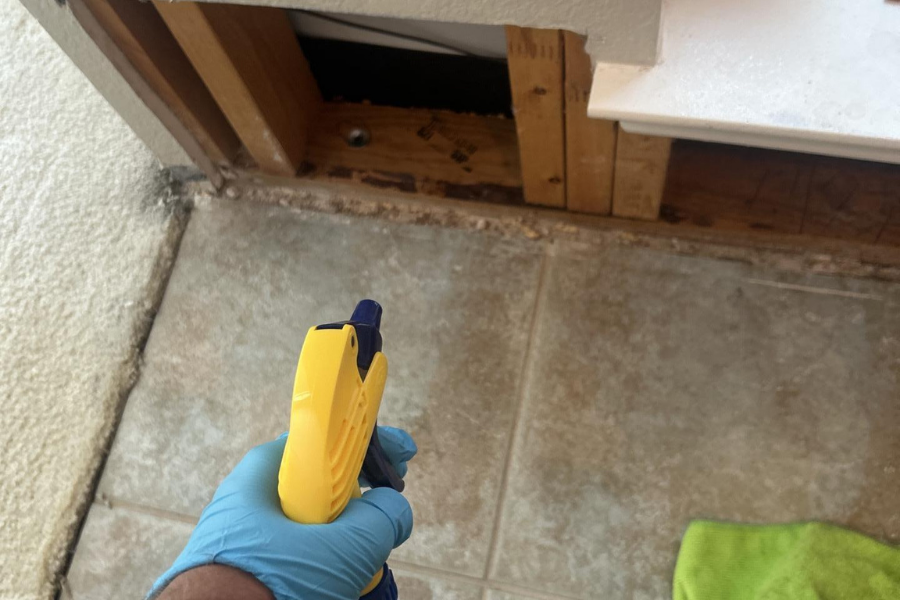
EPA-approved antimicrobial treatments eliminate bacteria and prevent future microbial growth
The Sanitization Process
Professional cleaning uses EPA-registered antimicrobial products that kill bacteria, viruses, and mold spores. Different contamination levels require different products. Category 3 water demands stronger disinfection than Category 1 clean water.
Surfaces get wiped, sprayed, or fogged depending on the situation. HVAC systems receive special attention since ductwork can distribute contaminants. Contents like furniture and personal items often need specialized cleaning or replacement.
Common odor sources include musty smells from mold, sewage odors from bacteria, stale dampness in uncleaned materials, and chemical smells from deteriorating building materials.
Odor Removal Techniques
Masking odors doesn’t work. Professional removal targets the source. Thermal fogging sends deodorizing particles into spaces where odor molecules hide, neutralizing smells at the molecular level. Hydroxyl generators and ozone machines break down odor-causing compounds. HEPA air scrubbers continuously filter airborne particles, improving overall air quality.
This phase often gets overlooked in DIY attempts. Homeowners focus on drying but skip sanitization. According to the CDC’s flood cleanup guidelines, proper disinfection prevents health hazards from bacterial contamination.
Phase 4: Reconstruction and Full Restoration
The final phase transforms your property from construction site back to home. This step separates basic mitigation companies from full-service providers like Intensa Dry Restoration.
Reconstruction replaces everything water damaged beyond repair. Drywall, flooring, baseboards, trim, sometimes entire cabinets. Scope depends on damage severity and how quickly restoration began.
What Full Restoration Includes
Our reconstruction services handle every rebuilding aspect. The same team that extracted water completes the rebuild. This continuity matters because we’ve seen hidden damage firsthand. We know which areas stayed wet longest and where hidden moisture might linger.
| Reconstruction Task | What’s Involved |
|---|---|
| Drywall | Remove damaged sections, install new drywall, tape, mud, sand, prime |
| Flooring | Subfloor repair, new flooring matching original or upgraded |
| Trim & Molding | Replace baseboards, casings, crown molding |
| Cabinet Work | Repair or replace water-damaged cabinetry |
Quality reconstruction means more than appearance. Structural integrity comes first. Load-bearing elements get inspected and reinforced if needed. Electrical systems damaged by water require licensed evaluation. Plumbing that caused the damage gets repaired or replaced. The goal is returning your property to pre-loss condition or better, as explained in our overview of what water damage restoration entails.
Why the 4-Phase System Works
Each phase builds on the previous one. Skipping steps creates future problems. Missing hidden moisture during assessment leads to mold months later. Drying without sanitization creates health hazards.
We’ve restored properties after failed DIY attempts. Common mistakes include using household fans, stopping when surfaces feel dry, not removing wet padding, skipping antimicrobial treatment, and painting over stains. These shortcuts lead to expensive mold remediation and structural repairs.
Insurance coverage depends on proper documentation following IICRC guidelines. Professional companies provide this automatically, working directly with adjusters. Many policies require professional mitigation. DIY attempts might violate terms, allowing claim denials. Understanding what to expect during restoration helps you make informed decisions.
Frequently Asked Questions
How long does the complete 4-phase restoration process take?
Most projects take 3-7 days for phases 1-3 (assessment through cleaning). Drying alone requires 3-5 days depending on materials affected. Phase 4 reconstruction varies from a few days for minor repairs to several weeks for major rebuilds. We provide detailed timelines during initial assessment.
Can I stay in my home during restoration?
Minor damage confined to one area often allows you to stay home. However, extensive damage, Category 3 water contamination, or mold situations usually require temporary relocation. We assess safety during phase 1 and provide honest recommendations.
What’s the difference between mitigation and full restoration?
Mitigation covers phases 1-3: stopping damage, extracting water, drying, and cleaning. Full restoration includes phase 4: rebuilding to pre-loss condition. At Intensa Dry Restoration, we handle complete restoration from emergency response through final reconstruction.
How do I know if hidden moisture is causing problems?
Warning signs include musty odors developing weeks after damage, new water stains, peeling paint, warping floors, and visible mold. These indicate moisture wasn’t fully removed. Our moisture meters and thermal cameras detect hidden moisture before visible damage occurs. Contact us for a free inspection.
Professional Water Damage Restoration in DFW
Intensa Dry Restoration serves Plano, Frisco, McKinney, Allen, Richardson, Lewisville, and surrounding communities with IICRC-certified restoration services. We handle all four phases from emergency extraction to complete reconstruction, working directly with insurance companies.
Available 24/7 with under 40-minute response times. Family-owned and locally operated.
Schedule Your Free Consultation
Emergency line: (972) 992-7331