Jump to Section:
Your dishwasher is supposed to make life easier, not create hidden water damage disasters. Unfortunately, many DFW homeowners don’t realize their trusty appliance might be secretly flooding the space behind their kitchen walls until it’s too late. As a family-owned water damage restoration company, we’ve seen our fair share of “surprise” leaks that could have been caught much earlier with the right knowledge.
The tricky thing about dishwasher leaks is that they’re masters of disguise. Unlike a burst pipe that announces itself with obvious flooding, dishwasher leaks often happen gradually and out of sight. By the time you notice something’s wrong, you might be looking at damaged flooring, rotting wall studs, or even mold growth.
Let’s talk about the warning signs that could save you thousands in repair costs and a whole lot of headaches.
Early Warning Signs of Hidden Dishwasher Leaks
🔍 Leak Detection Priority Areas
FLOORING
Check for warping, buckling, gaps
WALLS
Look for stains, peeling paint
ODORS
Musty smells indicate moisture
Visual Clues Around Your Kitchen
Warped or Buckling Flooring
If your kitchen floor looks like it’s doing the wave, especially near your dishwasher, that’s not normal settling. Wood floors, laminate, and even tile can warp when exposed to consistent moisture. You might notice boards lifting at the edges or gaps appearing between planks.
Discolored Walls or Cabinets
Water stains don’t lie. Look for yellowish or brownish spots on the walls adjacent to your dishwasher, particularly near the floor. Your kitchen cabinets might also show water damage through discoloration, swelling, or a soft, spongy feel when you press on them.
Peeling Paint or Wallpaper
When moisture gets trapped behind walls, paint and wallpaper start to lose their grip. If you’re seeing bubbles, peeling, or flaking around your dishwasher area, water might be the culprit.
Sensory Signs You Shouldn’t Ignore
Musty Odors
That “old basement” smell in your kitchen? It’s not your imagination. Persistent moisture creates the perfect environment for mold and mildew, which produce that distinctive musty odor. If you catch a whiff every time you open your dishwasher or walk past it, investigate further.
Unusual Sounds
Your dishwasher should sound like it’s washing dishes, not like it’s hosting a water park. Listen for dripping sounds when the machine isn’t running, or gurgling noises that seem to come from inside the walls.
What Causes Dishwashers to Leak Behind Walls
Understanding why these leaks happen can help you prevent them. Most water damage cleanup situations from dishwashers stem from a few common issues. According to the Insurance Information Institute, water damage claims are among the most common homeowners insurance claims, making early detection crucial.
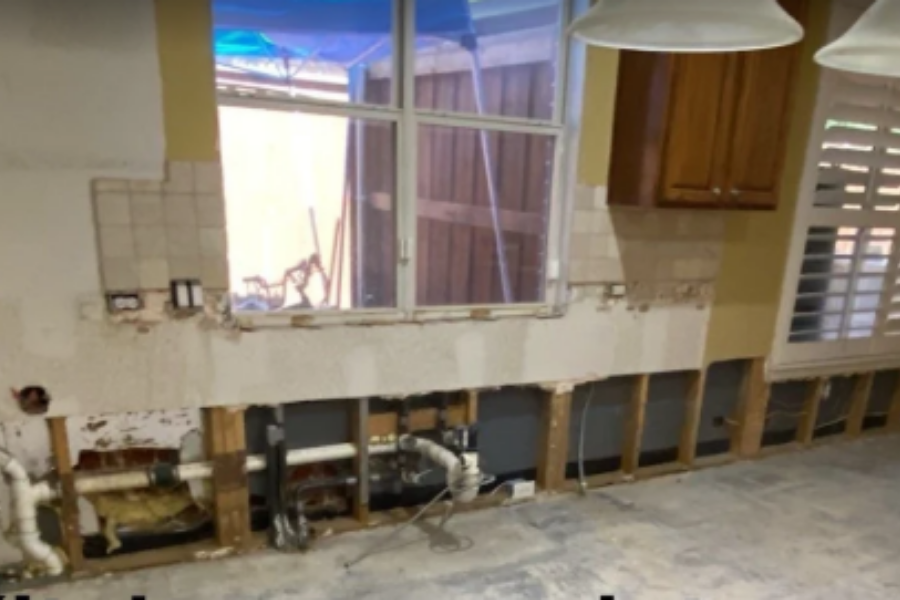
When dishwasher leaks go undetected, the damage can be extensive, requiring full kitchen demolition and reconstruction.
DIY Detection Checklist
Here’s a practical checklist you can work through to catch potential leaks early:
📋 Weekly Inspection Tasks:
- ✓ Check around the base of your dishwasher for any standing water
- ✓ Look for new stains or discoloration on nearby walls and cabinets
- ✓ Run your hand along the floor edges near the dishwasher to feel for dampness
- ✓ Listen for unusual sounds during and after wash cycles
- ✓ Sniff test: any new or stronger musty odors?
📅 Monthly Deep Check:
- ✓ Remove the bottom dish rack and inspect the interior for rust or unusual wear
- ✓ Check the door seal for cracks, tears, or buildup that might prevent proper sealing
- ✓ Look under the sink for any signs of water damage where dishwasher connections might be located
- ✓ Test the door latch to ensure it closes tightly
🔧 Professional Inspection (Annual):
✓ Consider having a professional check your appliance connections and drainage annually, especially if your dishwasher is over five years old.
Need Emergency Water Damage Help?
Our team at Intensa Dry Restoration provides 24/7 emergency response with under 40-minute arrival times throughout the Dallas-Fort Worth MetroPlex.
Get Free ConsultationWhen to Call the Professionals
Some situations require immediate professional attention. Don’t wait if you notice:
Significant Water Accumulation
If you discover standing water around your dishwasher or evidence of major water intrusion, shut off the water supply to your dishwasher immediately and call for emergency help.
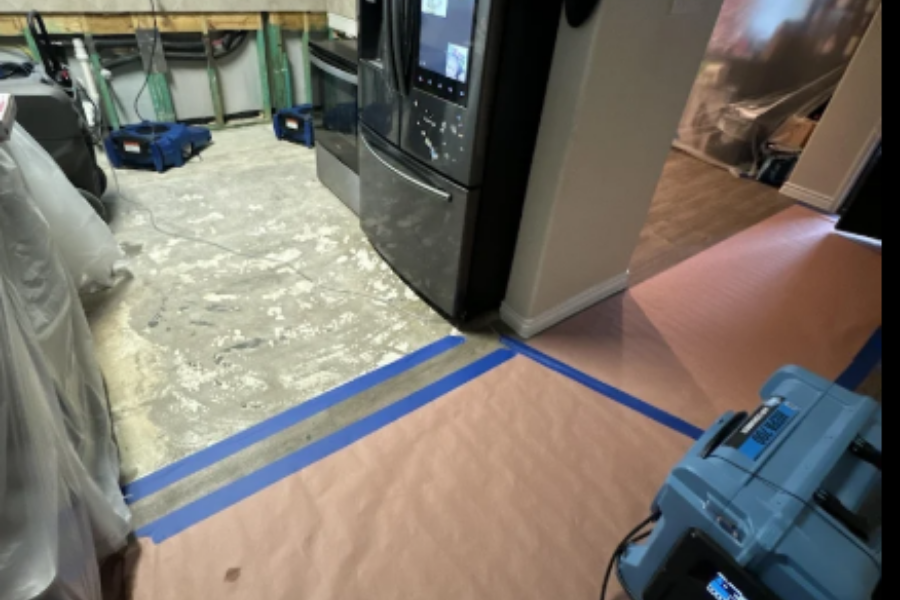
Professional drying equipment is essential for proper water extraction and preventing secondary damage after dishwasher leaks.
Structural Damage
Soft or spongy flooring, severely warped cabinets, or walls that feel damp to the touch indicate structural damage that needs professional assessment. Water can compromise the integrity of building materials faster than most homeowners realize, especially when dealing with structural damage after water intrusion.
Mold Growth
Visible mold anywhere in your kitchen is a red flag. The EPA recommends professional remediation for mold areas larger than 10 square feet. Our mold remediation services require specialized equipment and expertise to handle safely.
Electrical Concerns
Water and electricity don’t mix. If you suspect water has reached electrical outlets, switches, or appliance connections, turn off power to that area and call professionals immediately.
Prevention Tips for DFW Homeowners
Prevention is always better than restoration. Here are some practical steps to keep your dishwasher leak-free:
Regular Maintenance
Clean your dishwasher monthly, including the filter and door seals. A well-maintained appliance is less likely to develop leaks.
Monitor Water Pressure
High water pressure can stress appliance connections. If your water pressure seems unusually high, consider having it checked. This is just one of many ways to prevent water damage during home maintenance that homeowners often overlook.
Replace Hoses Proactively
Dishwasher hoses typically last 5-10 years. If you know yours are getting old, replacing them before they fail can prevent water damage.
Professional Installation
When replacing your dishwasher, invest in professional installation to ensure all connections are secure and properly sealed.
The Cost of Waiting
Here’s the thing about water damage: it doesn’t get better with time. What starts as a small leak can quickly escalate into a major problem requiring extensive water damage restoration. We’ve seen minor appliance leaks turn into multi-thousand-dollar restoration projects because the problem went undetected for months.
Early detection saves money, time, and stress. A simple hose replacement might cost $50, while restoring water-damaged flooring and walls can run into thousands. Understanding the long-term consequences of untreated water damage helps put the importance of quick action into perspective.
Your Next Steps
If you’ve discovered signs of a potential leak, don’t panic, but don’t wait either. Start with shutting off the water supply to your dishwasher if you suspect active leaking. Then, document what you’ve found with photos for insurance purposes.
For DFW homeowners dealing with suspected or confirmed water damage, our IICRC-certified team at Intensa Dry Restoration is here to help. We understand the unique challenges of North Texas homes and have the experience to handle everything from minor moisture issues to major water damage events.
Remember, when it comes to water damage, time is your enemy and professional help is your friend. We’ve been serving the MetroPlex with intensity and integrity, and we’re ready to help you get your home back to normal quickly and efficiently.
Frequently Asked Questions
❓ How long does it take for a dishwasher leak to cause structural damage?
Structural damage can begin within 24-48 hours of water exposure, depending on the materials involved. Wood flooring and drywall are particularly susceptible to quick damage, which is why early detection is so important.
❓ Can I use my dishwasher if I suspect a small leak?
It’s best to stop using your dishwasher immediately if you suspect any leak. Even small leaks can worsen quickly, and continued use will only make the problem worse and potentially more expensive to fix.
❓ Will homeowner’s insurance cover dishwasher leak damage?
Coverage varies by policy and the cause of the leak. Sudden, accidental leaks are often covered, while gradual leaks or damage from lack of maintenance typically aren’t. Check with your insurance provider and document everything thoroughly.
❓ How can I tell the difference between a dishwasher leak and other kitchen water damage?
Dishwasher leaks typically show up near the appliance first, often on adjacent floors and lower walls. Other sources like sink leaks usually appear under the sink area first, while pipe leaks might show up in unexpected locations along the pipe route.