Jump to Section:
- ✓ Mistake #1: Waiting Too Long to Shut Off Water
- ✓ Mistake #2: Ignoring Hidden Water Damage
- ✓ Mistake #3: Trying to DIY the Entire Cleanup
- ✓ Mistake #4: Not Documenting the Damage
- ✓ Mistake #5: Leaving Wet Materials in Place
- ✓ Mistake #6: Cranking Up the Heat
- ✓ Mistake #7: Assuming Everything Will Dry on Its Own
- ✓ Mistake #8: Not Addressing the Root Cause
- ✓ Quick Action Checklist
- ✓ FAQs
When a pipe bursts in your home during a cold snap, panic mode kicks in fast. Water is gushing, your floors are flooding, and you’re scrambling to figure out what to do. We get it. We’ve seen it all here at Intensa Dry Restoration, and honestly, it’s one of those situations where your first instinct might not always be the right move.
The thing is, how you handle those first few minutes and hours can make a massive difference in how much damage your home sustains and how much your repairs will cost. So let’s talk about the most common mistakes we see homeowners make when pipes burst during winter freezes in the DFW area, and more importantly, how to avoid them.
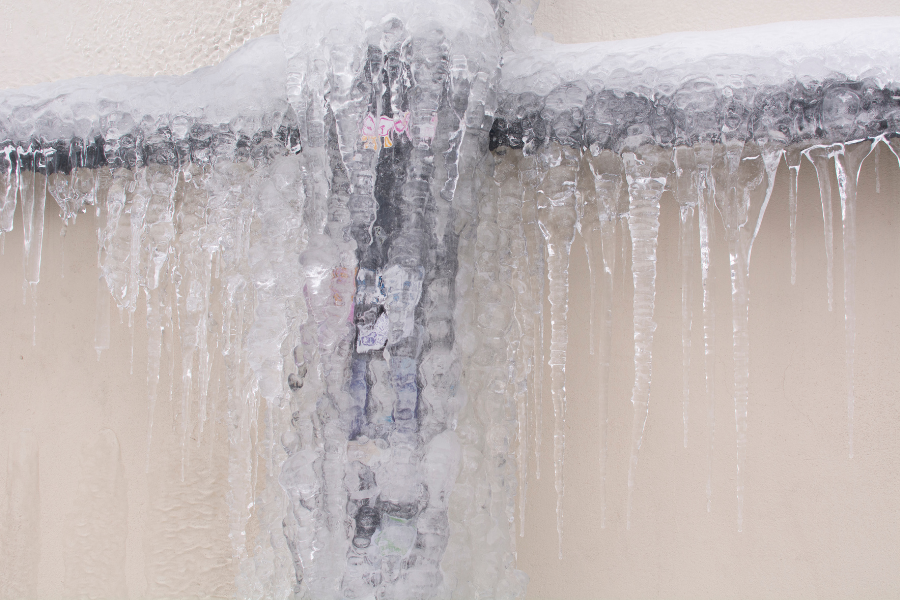
Frozen pipes can burst without warning, causing extensive water damage throughout your home.
If you’re dealing with a burst pipe emergency right now, don’t wait. Call our water damage restoration team at (972) 992-7331. We’re available 24/7 and can be at your Plano home in under 40 minutes.
Mistake #1: Waiting Too Long to Shut Off the Water
This is the big one. When a pipe bursts, every second counts. We’ve walked into homes where water has been flowing for hours because the homeowner wasn’t sure where the main shutoff valve was located or thought they could contain it with towels first.
What you should do instead: Know where your main water shutoff valve is before winter hits. It’s usually near your water heater, in the garage, or outside near the foundation. If you’re not sure, take 10 minutes this weekend to find it. Seriously, it’ll save you thousands.
The moment you discover a burst pipe, turn off the main water supply immediately. Then call us. We’ll handle the rest.
Mistake #2: Ignoring Hidden Water Damage
Just because you can’t see water doesn’t mean it’s not there. Burst pipes often send water into walls, under flooring, and into crawl spaces where it sits and festers. And here in Texas, that hidden moisture becomes a mold factory faster than you’d think.
What you should do instead: Assume there’s more damage than what you can see. Professional water damage restoration involves moisture detection equipment like thermal imaging cameras and moisture meters that can find water hiding in places you’d never think to check.
Don’t skip the professional inspection just because the visible water is gone. That’s how small problems turn into expensive nightmares.
⏱️ Timeline: How Fast Can Things Go Wrong?
0-2 Hours
Water spreads through flooring, carpets, and into walls. Immediate action required.
24-48 Hours
Mold spores begin to colonize on wet surfaces. Drywall starts to swell and warp.
3-7 Days
Visible mold growth appears. Structural damage becomes more severe. Wood begins to rot.
1+ Weeks
Major restoration required. Health risks increase significantly. Repair costs multiply.
Mistake #3: Trying to DIY the Entire Cleanup
Look, we love a good DIY project. But water damage restoration isn’t one of them. We’ve seen homeowners rent equipment from the hardware store, spend days trying to dry things out, and still end up with mold growth and structural damage because the drying process wasn’t done correctly.
What you should do instead: Call professionals who know what they’re doing. Our team at Intensa Dry Restoration uses industrial-grade equipment and follows proven water damage restoration processes that ensure your home is truly dry, not just surface-level dry.
Plus, we work directly with insurance companies, so you’re not navigating that mess alone either.
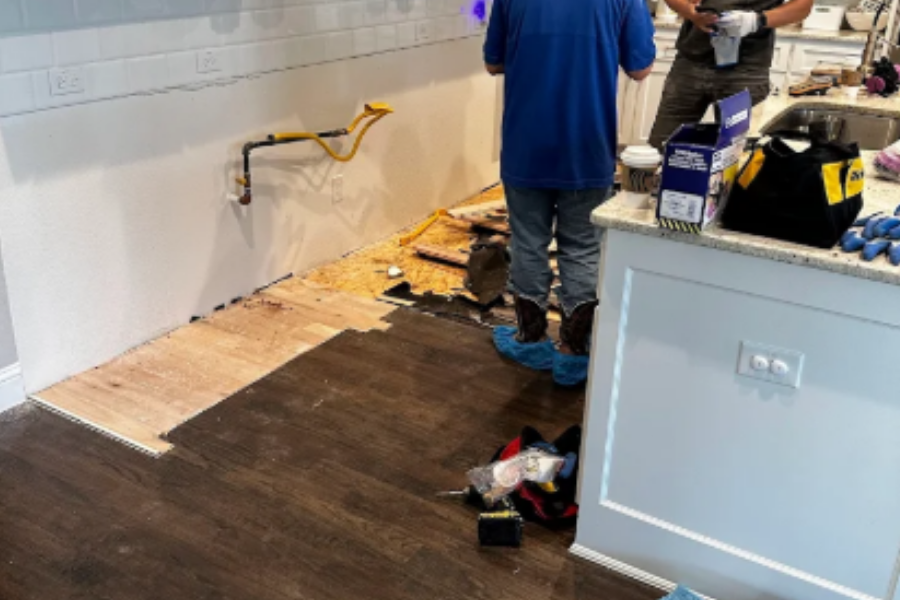
A burst pipe in the kitchen can cause thousands of gallons of water damage in just hours if not addressed immediately.
Mistake #4: Not Documenting the Damage
In the chaos of a burst pipe, taking photos is probably the last thing on your mind. But if you don’t document the damage, you could end up fighting with your insurance company later about what was actually affected.
What you should do instead:
- Take photos and videos of everything before you start cleanup
- Document water levels with a measuring tape in the frame
- Capture close-ups of damaged belongings, walls, and flooring
- Keep a written log of when the pipe burst and what you did in response
This documentation becomes crucial when filing your insurance claim. And if you need help with the claims process, we offer free consultations to walk you through it.
Mistake #5: Leaving Wet Materials in Place Too Long
Carpets, drywall, and insulation, these materials act like sponges. Once they’re saturated, they need to be dried or removed quickly. Leaving wet materials sitting for days (or even just 24-48 hours) invites mold growth and can compromise your home’s structure.
What you should do instead: Remove standing water immediately and start drying everything within the first 24 hours. If materials like drywall or insulation are soaked through, they often need to be removed entirely. This is where professional judgment really matters; we know what can be saved and what needs to go.
According to the EPA, mold can start growing within 24-48 hours of water exposure, so time is not on your side here. Acting fast is everything.
| Material | Can Be Saved? | Action Needed |
|---|---|---|
| Hardwood Floors | Sometimes | Dry within 24-48 hours |
| Carpet & Padding | Rarely | Usually needs replacement |
| Drywall | Sometimes | Depends on saturation level |
| Insulation | No | Must be removed & replaced |
| Furniture | Usually | Move to dry area immediately |
Mistake #6: Cranking Up the Heat
Your instinct might be to blast the heat to help things dry faster. Bad idea. Rapid temperature changes can actually cause more damage to materials and create the perfect humid environment for mold to thrive.
What you should do instead: Use proper drying techniques with dehumidifiers and air movers positioned strategically throughout the affected areas. Professional restoration teams understand the science behind structural drying and how to control temperature and humidity for optimal results.
Just turning up the thermostat won’t cut it and might make things worse.
Mistake #7: Assuming Everything Will Dry on Its Own
“It’ll dry out eventually” is a phrase that makes us cringe. Yes, technically, things will dry over time. But by then, you’ve already got mold growth, warped floors, damaged drywall, and a much bigger problem than you started with.
What you should do instead: Treat water damage like the emergency it is. Even if the initial flooding seems minor, the aftermath can be serious. Professional water extraction and drying prevents secondary damage that costs way more to fix later.
We’ve responded to countless frozen pipe emergencies in Plano, Frisco, McKinney, and throughout the MetroPlex. The homes that fare best are the ones where we’re called right away, not three days later when the floors start buckling.
Mistake #8: Not Addressing the Root Cause
So you’ve cleaned up the water and dried everything out. Great. But if you don’t figure out why the pipe burst in the first place, you’re just waiting for it to happen again next winter.
What you should do instead: Common causes of burst pipes in the DFW area include:
- Poor insulation around pipes in attics or crawl spaces
- Exterior pipes that aren’t protected during freezes
- Old or corroded pipes that can’t handle temperature fluctuations
- Lack of heat in certain areas of the home
Have a plumber inspect your system and make necessary repairs or upgrades. Insulate vulnerable pipes, seal drafts, and consider leaving cabinet doors open during freezes to let warm air circulate around pipes under sinks. The American Red Cross recommends keeping your home heated to at least 55°F even when you’re away to prevent pipes from freezing.
What to Do Right After a Pipe Bursts: Quick Checklist
Here’s your action plan for when (not if) a pipe bursts:
- Shut off the main water supply immediately
- Turn off electricity to affected areas (only if it’s safe to do so)
- Call a professional restoration company like Intensa Dry Restoration at (972) 992-7331
- Document everything with photos and videos
- Remove standing water if you can do so safely
- Move furniture and belongings to dry areas
- Contact your insurance company to start a claim
- Don’t throw away damaged items until you’ve documented them for insurance
🚨 Need Emergency Water Damage Help?
Our team responds to water damage emergencies 24/7 across Plano, Frisco, Allen, and the entire DFW area. You can reach us anytime at (972) 992-7331, and we’ll typically arrive in under 40 minutes.
The Bottom Line
Burst pipes are stressful, no question about it. But knowing what NOT to do is just as important as knowing what to do. The mistakes we’ve covered here are ones we see over and over again, and they’re all preventable.
When in doubt, call the pros. Water damage gets worse by the hour, not better. And with our IICRC-certified team, you’re getting people who actually know how to handle these situations the right way.
Stay warm out there, folks. And if you hear that telltale sound of rushing water where it shouldn’t be, you know who to call.
Frequently Asked Questions
What’s the biggest mistake people make in the first 10 minutes after discovering a burst pipe?
The most critical mistake is not shutting off the main water supply immediately. Many homeowners waste precious minutes trying to stop the leak with towels or buckets, or searching for the specific pipe shutoff, while thousands of gallons continue flooding their home. Always go straight for the main shutoff valve first, then assess the damage and call for help.
If I’ve already made one of these mistakes, is it too late to call a restoration company?
It’s never too late to call professionals, but the sooner the better. Even if you’ve waited a few days and made some of these mistakes, we can still assess the full extent of damage, check for hidden moisture in walls and crawl spaces, and prevent further issues like mold growth. The worst thing you can do is assume the damage is done and not get a professional inspection.
Should I try to save wet drywall and insulation, or does it always need to be replaced after a pipe bursts?
It depends on how long the materials have been wet and how saturated they are. Drywall can sometimes be saved if it’s dried within 24-48 hours and wasn’t completely soaked through. However, insulation almost always needs replacement once it’s wet because it loses its effectiveness and becomes a breeding ground for mold. This is where professional assessment really matters, we can tell you what’s salvageable and what needs to go.
How do I know if I’ve successfully dried everything after a burst pipe, or if there’s still hidden moisture?
You can’t reliably tell without professional moisture detection equipment. Things might feel dry to the touch on the surface, but moisture can be trapped deep in walls, under flooring, or in structural materials. We use thermal imaging cameras and moisture meters to measure humidity levels inside materials, not just on the surface. This is one of the most common mistakes we see, homeowners thinking everything is dry when there’s still significant moisture hiding that will cause problems later.