📋 Jump To Section:
Nobody wakes up expecting their home to turn into an indoor swimming pool, but here in the Dallas-Fort Worth MetroPlex, Mother Nature has her own plans. Whether it’s a sudden downpour that overwhelms drainage systems or a pipe that decides to throw in the towel during a winter freeze, water damage can hit fast and hit hard. If you’re dealing with flood damage right now, our team specializing in water damage restoration is here to help you navigate both the immediate crisis and what comes next.
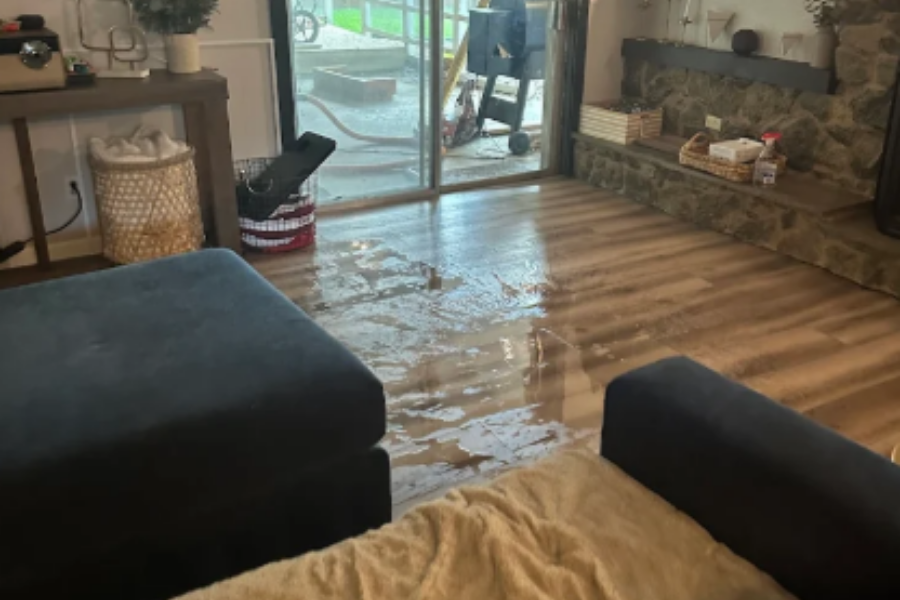
Standing water in your home creates immediate damage and starts the clock ticking on restoration costs.
Let’s be honest, the first question everyone asks after the initial shock wears off isn’t “How did this happen?” It’s “How much is this going to cost me?” And that’s completely understandable. Storm flood damage repair costs can feel like sticker shock on top of an already stressful situation, but understanding what you’re looking at can help you make informed decisions and plan your next steps.
Understanding Storm Flood Damage: More Than Just Standing Water
Before we dive into the numbers, let’s talk about what we’re actually dealing with. Storm flood damage isn’t just about mopping up some water and calling it a day. When water invades your home, it starts a domino effect that can impact everything from your drywall to your electrical systems.
In North Texas, we see several types of flood scenarios that each come with their own repair considerations:
- Flash flooding from heavy rainfall that overwhelms drainage systems
- Roof leaks during severe storms that allow water to seep into walls and ceilings
- Burst pipes during winter freezes (yes, we do get those December and January cold snaps)
- Sewage backups when municipal systems get overwhelmed
- Foundation water intrusion during extended periods of heavy rain
Each scenario creates different damage patterns, which directly impacts repair costs. A roof leak might primarily affect your ceiling and upper walls, while a burst pipe could impact flooring, walls, and even spread to adjacent rooms.
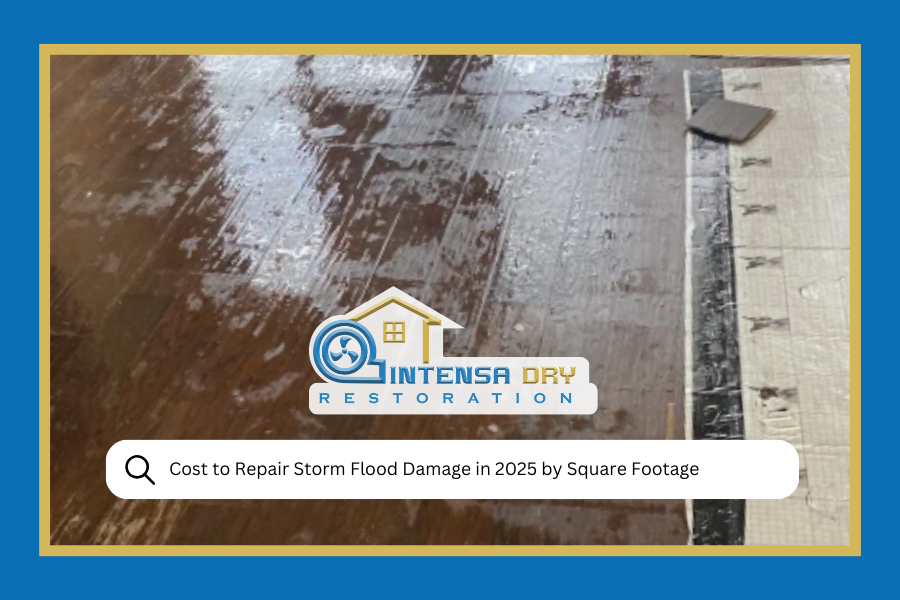
2025 Storm Flood Damage Repair Costs by Home Size
Here’s what North Texas homeowners can expect to pay for comprehensive flood damage restoration in 2025. These ranges account for materials, labor, and the complexity of work needed in our local market.
💰 2025 Flood Damage Repair Costs
| Home Size | Square Feet | Cost Range | Typical Services |
|---|---|---|---|
| Small | 800-1,200 | $8,000 – $25,000 | Basic extraction, partial drywall, flooring |
| Medium | 1,200-2,000 | $15,000 – $45,000 | Full extraction, multiple rooms, HVAC work |
| Large | 2,000-3,500 | $25,000 – $75,000 | Industrial drying, multiple levels, electrical |
| Luxury | 3,500+ | $50,000 – $150,000+ | Custom materials, smart systems, specialty finishes |
Small Homes (800-1,200 sq ft)
Estimated Range: $8,000 – $25,000
For smaller homes, flood damage restoration typically involves:
- Basic water extraction and drying: $3,000 – $6,000
- Drywall replacement (partial): $2,000 – $5,000
- Flooring restoration/replacement: $3,000 – $8,000
- Electrical system inspection/repair: $1,500 – $4,000
- Paint and finishing: $1,000 – $3,000
The good news? Smaller spaces are generally easier to contain when damage occurs, and the restoration process can move more quickly.
Medium Homes (1,200-2,000 sq ft)
Estimated Range: $15,000 – $45,000
Mid-size homes often see more extensive damage due to larger floor plans and more complex systems:
- Comprehensive water extraction and structural drying: $5,000 – $10,000
- Drywall and insulation replacement: $4,000 – $12,000
- Flooring restoration (multiple rooms): $6,000 – $15,000
- Electrical and HVAC system work: $3,000 – $8,000
- Kitchen/bathroom fixture replacement: $2,000 – $6,000
- Paint, trim, and finishing work: $2,000 – $5,000
Large Homes (2,000-3,500 sq ft)
Estimated Range: $25,000 – $75,000
Larger homes typically have more rooms affected and more complex restoration needs:
- Industrial-grade water extraction and drying: $8,000 – $15,000
- Extensive drywall and insulation work: $8,000 – $20,000
- Flooring replacement (multiple levels/rooms): $10,000 – $25,000
- Major electrical and HVAC restoration: $5,000 – $15,000
- Kitchen and bathroom renovations: $5,000 – $12,000
- Specialized finishes and trim work: $3,000 – $8,000
Luxury/Estate Homes (3,500+ sq ft)
Estimated Range: $50,000 – $150,000+
High-end homes often feature premium materials and custom work that increases restoration complexity:
- Advanced water extraction and drying systems: $12,000 – $25,000
- Custom drywall and architectural features: $15,000 – $35,000
- Premium flooring restoration: $20,000 – $50,000
- Sophisticated electrical and smart home systems: $10,000 – $25,000
- Luxury fixture and appliance replacement: $10,000 – $30,000
- Custom millwork and specialty finishes: $5,000 – $20,000
What Factors Drive These Costs?
Water Category and Contamination Level
Not all water damage is created equal. According to the Institute of Inspection, Cleaning and Restoration Certification (IICRC), we classify water damage into three categories, and each requires different approaches:
💧 Water Damage Categories
Category 1: Clean Water
Broken supply lines, sink overflows
Lowest Cost
Category 2: Gray Water
Washing machine leaks, toilet overflows
Moderate Cost
Category 3: Black Water
Sewage backups, flood water
Highest Cost
Smart budgeting helps homeowners plan for unexpected flood damage repair costs and make informed restoration decisions.
Extent of Structural Damage
Water loves to travel, and it doesn’t always go where you’d expect. We use thermal imaging water damage detection to find hidden moisture that can lead to:
- Structural wood damage requiring beam or framing replacement
- Foundation issues from prolonged moisture exposure
- Mold growth in wall cavities or crawl spaces
- Insulation replacement throughout affected areas
Timeline and Secondary Damage
Here’s something many homeowners don’t realize: the longer water sits, the more expensive your repair becomes. What starts as a $5,000 flooring replacement can balloon into a $20,000 project if mold develops or structural elements become compromised.
That’s why we emphasize rapid response. Our team aims to be on-site within 40 minutes of your call, because every hour counts when it comes to minimizing damage and controlling costs.
Breaking Down the Restoration Process and Associated Costs
Phase 1: Emergency Response and Assessment ($500 – $2,000)
When you call us for flood damage, here’s what happens first:
- Initial assessment and documentation for insurance purposes
- Water source identification and stoppage
- Safety evaluation of electrical and structural systems
- Moisture mapping to identify all affected areas
This phase is typically the most affordable part of the process, but it’s absolutely critical for preventing additional damage.
Phase 2: Water Extraction and Structural Drying ($2,000 – $15,000)
This is where the real work begins:
- Truck-mounted water extraction equipment removes standing water
- Industrial dehumidifiers and air movers begin the drying process
- Monitoring equipment tracks moisture levels daily
- Content removal and pack-out if necessary
Phase 3: Demolition and Material Removal ($3,000 – $25,000)
Once we’ve extracted the water and begun drying, we need to remove damaged materials:
- Drywall removal (typically 2 feet above the high water mark)
- Flooring removal including subflooring if necessary
- Insulation replacement
- Damaged personal belongings disposal
Phase 4: Cleaning, Sanitization, and Deodorization ($1,000 – $8,000)
Depending on the water category, this phase includes:
- Antimicrobial treatments for all affected surfaces
- HEPA air filtration to remove airborne contaminants
- Odor removal using specialized equipment and techniques
- Content cleaning for salvageable personal items
Phase 5: Reconstruction and Restoration ($5,000 – $75,000+)
The final phase brings your home back to its pre-damage condition:
- Drywall installation and finishing
- Flooring installation
- Electrical and plumbing repairs
- Paint and trim work
- Final cleaning and walkthrough
Insurance Coverage: What to Expect in 2025
Most standard homeowner’s insurance policies cover sudden and accidental water damage, but flood damage from storms requires separate flood insurance. Here’s what you need to know:
Covered vs. Not Covered
✅ Typically Covered:
- Burst pipes and sudden leaks
- Storm damage to roof causing interior water damage
- Appliance malfunctions (water heater, washing machine)
- Accidental overflow from plumbing fixtures
❌ Typically NOT Covered (without flood insurance):
- Surface water flooding from storms
- Groundwater seepage
- Maintenance-related issues
- Gradual leaks or long-term moisture problems
Money-Saving Strategies for Storm Flood Damage Recovery
Act Fast to Minimize Damage
The single most effective way to control costs is rapid response. Water damage follows an exponential curve, where costs can double or triple if remediation is delayed by even 48-72 hours.
Prioritize Professional Assessment
While it might be tempting to grab some fans from the hardware store and tackle the job yourself, flood damage restoration requires specialized equipment and expertise. DIY attempts often lead to:
- Hidden moisture that causes mold growth months later
- Inadequate drying that compromises structural integrity
- Insurance claim complications due to improper documentation
- Health risks from contaminated water or mold exposure
Prevention: Your Best Investment Against Future Flood Damage
While we can’t control North Texas weather, we can take steps to minimize flood damage risk:
Annual Home Maintenance Checklist
- Inspect and clean gutters twice yearly
- Check roof condition and replace damaged shingles promptly
- Seal foundation cracks before they allow water intrusion
- Test sump pump operation if applicable (rare in our area)
- Inspect plumbing supply lines and replace aging hoses
- Clean HVAC drain lines to prevent backup flooding
Regional Considerations for North Texas Homeowners
Living in the DFW MetroPlex presents some unique challenges and advantages when it comes to flood damage:
Climate Factors
- Flash flood potential during spring and fall storm seasons
- Winter freeze events that can cause pipe bursts
- High clay content soil that doesn’t absorb water quickly
- Urban development that increases runoff in many areas
When to Call in the Professionals: Red Flags You Shouldn’t Ignore
While minor water incidents might seem manageable, certain situations always require professional intervention:
Immediate Professional Response Needed
- Any amount of sewage or contaminated water
- Electrical systems that may have been exposed to water
- Structural damage visible to walls, ceilings, or floors
- Mold growth or musty odors developing
- Large affected areas (more than 10 square feet)
Ready to get started with professional emergency water damage restoration? Here’s what you can expect when working with experienced professionals.
According to the Environmental Protection Agency (EPA), proper water damage restoration must address moisture control within 24-48 hours to prevent mold growth, making professional response time crucial for both health and cost control.
Frequently Asked Questions
❓ How long does storm flood damage restoration typically take?
Most residential flood damage restoration projects take 7-14 days for the initial drying and cleanup phase, followed by 2-6 weeks for reconstruction, depending on the extent of damage. Factors affecting timeline include the amount of water, contamination level, and availability of materials and contractors.
💰 Will my homeowner’s insurance cover storm flood damage repairs?
Coverage depends on the water source and your specific policy. Sudden pipe bursts and storm damage causing roof leaks are typically covered, but surface flooding requires separate flood insurance. We help document damage and work directly with adjusters to ensure proper claim handling.
🏠 Can I stay in my home during flood damage restoration?
This depends on the extent of damage and health considerations. Minor water damage in one room may allow you to stay home, while extensive flooding or sewage contamination typically requires temporary relocation. We prioritize your family’s safety and will provide honest guidance about habitability.
🦠 How do I prevent mold growth after flood damage?
Mold prevention starts with rapid water removal and thorough drying within 24-48 hours. Professional-grade dehumidifiers, air movers, and monitoring equipment ensure moisture levels drop below the threshold for mold growth. We also apply antimicrobial treatments to affected areas as an additional precaution.
Don’t Let Water Damage Get Worse
Storm flood damage can feel overwhelming, but with the right information and professional support, recovery is absolutely achievable. Here in the Dallas-Fort Worth area, we’ve helped hundreds of families navigate this challenge and come out with homes that are often better than before the damage occurred.
Remember, the sooner you address water damage, the more manageable both the process and the costs become. Don’t let a bad situation become worse by waiting — we’re here to help you through every step of the recovery process.