Jump To:
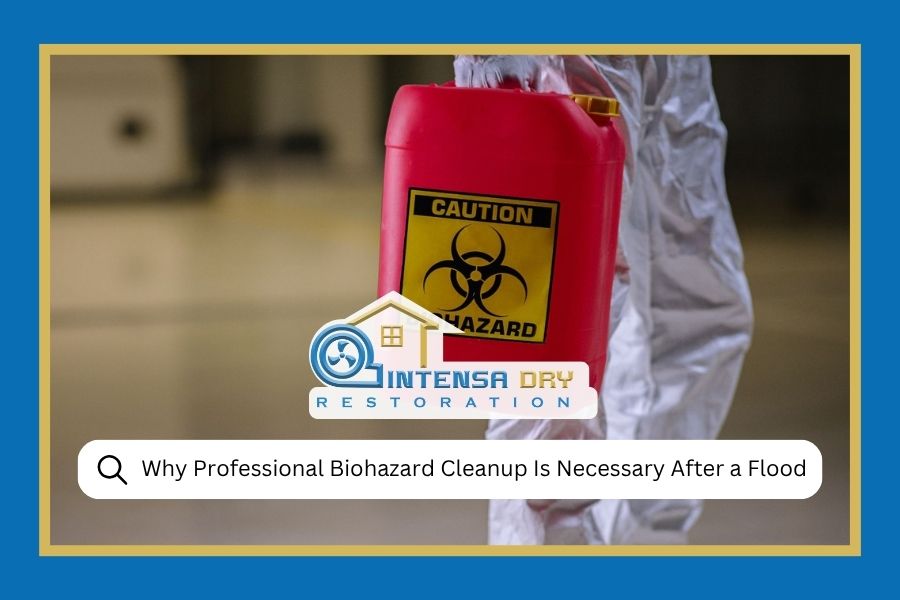
Experiencing a flood can turn your life upside down. Beyond the obvious water damage, there’s something far more dangerous lurking in that murky water: biohazards. These invisible threats don’t disappear when the water recedes. They soak into walls, floors, and personal items, creating health risks that can affect your family for months. Professional flood damage restoration isn’t just about removing water. It’s about eliminating contaminants that put your health at serious risk.
Floodwater picks up everything in its path. Sewage. Chemicals. Bacteria. By the time it reaches your home, that water is essentially a toxic soup. You can’t see E. coli on your baseboards. You can’t smell hepatitis A on your carpet padding. But they’re there.
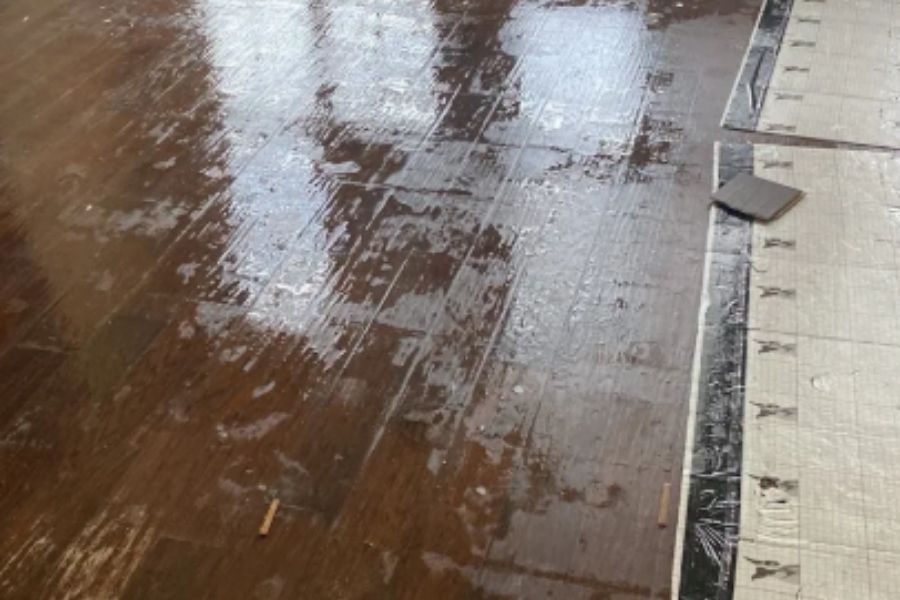
Standing water looks harmless, but it’s carrying contaminants you can’t see.
Understanding Biohazardous Threats After Flooding
Floodwater is never just water. The EPA classifies floodwater as contaminated by default, regardless of its source. As it moves through streets, drainage systems, and industrial zones, it collects dangerous substances that enter your home.
Porous materials like drywall, insulation, carpet, and wood framing absorb contaminated water deep into their fibers. Surface cleaning won’t reach these contaminants. They’ll continue releasing pathogens into your indoor air long after everything looks dry. The timeline matters too. Bacteria colonies double approximately every 20 minutes under ideal conditions. Every hour you wait, the contamination spreads deeper and wider.
Common Contaminants in Floodwater
Sewage and Human Waste: Floods overwhelm municipal sewer systems, forcing raw sewage into homes through drains and toilets. This waste contains bacteria like E. coli and Salmonella, viruses including hepatitis A and norovirus, and parasites such as Giardia and Cryptosporidium. Contact with sewage-contaminated materials can cause severe gastrointestinal illness, skin infections, and respiratory problems.
Chemical Contamination: Floodwater mixes with household cleaning products, automotive fluids, pesticides, and fertilizers. This toxic cocktail creates both immediate and long-term health risks. Some chemical exposures cause acute symptoms like headaches and respiratory irritation. Others accumulate over time, potentially causing organ damage.
Mold and Fungal Growth: Within 24 to 48 hours of water exposure, mold spores begin germinating on damp surfaces. Once established, mold releases millions of microscopic spores into your indoor air. These trigger allergic reactions, asthma attacks, and respiratory infections. Some species produce mycotoxins that cause neurological symptoms.
Dealing with flood damage in Dallas-Fort Worth?
Our IICRC-certified team responds 24/7, typically arriving within 40 minutes. We handle the hazardous materials so you don’t have to.
The Professional Biohazard Cleanup Process
Professional biohazard cleanup follows strict protocols designed to eliminate contamination completely. Here’s what proper restoration involves.
Assessment and Containment
Technicians evaluate contamination extent and establish containment barriers using plastic sheeting and negative air pressure. This critical step prevents contaminated air from spreading to unaffected areas of your home. Without proper containment, cleanup efforts can actually make things worse by pushing pathogens into rooms that weren’t originally affected.
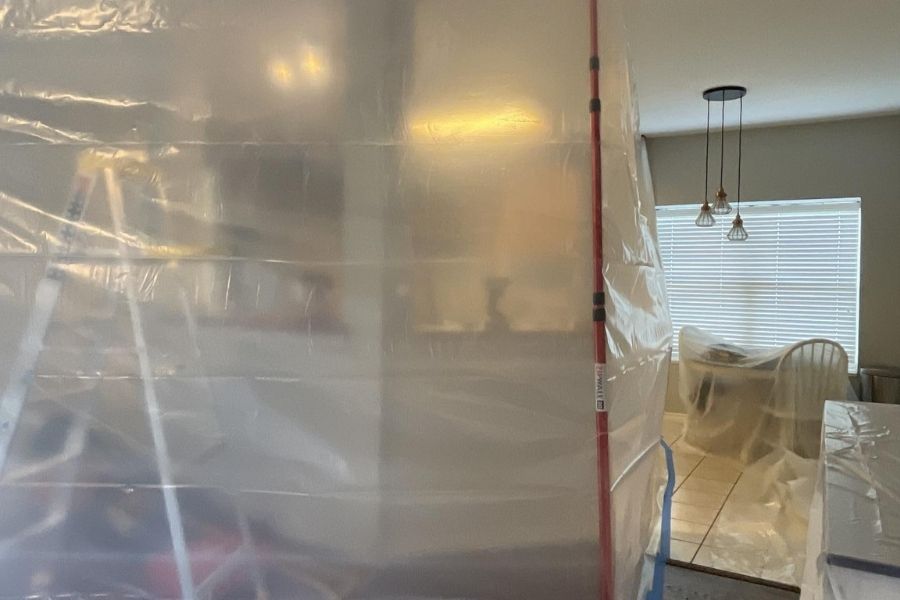
Containment barriers prevent contamination from spreading during cleanup.
Safe Removal of Contaminated Materials
Using protective equipment, technicians remove materials that cannot be decontaminated: carpet and pad, submerged drywall, insulation, and porous furniture. Water wicks upward through drywall, so damage extends above the visible waterline. These materials are bagged, labeled, and disposed of according to IICRC S500 standards for handling contaminated waste.
Deep Cleaning and Structural Drying
Remaining surfaces receive industrial-grade disinfectant treatments that penetrate and kill embedded bacteria and viruses. This isn’t wiping things down with bleach. Professional antimicrobial treatments create conditions hostile to future mold growth. Then industrial dehumidifiers and air movers extract moisture until structural materials return to normal moisture content, typically 10 to 12 percent for wood framing. Technicians monitor levels throughout the process using specialized meters.
Biohazard Cleanup Timeline
| Phase | Duration | Key Activities |
|---|---|---|
| Assessment | 1-2 hours | Contamination mapping, safety planning |
| Extraction | 4-8 hours | Water removal, debris clearance |
| Disinfection | 1-2 days | Antimicrobial treatment, surface cleaning |
| Drying | 3-5 days | Dehumidification, moisture monitoring |
| Verification | 1 day | Final testing, clearance documentation |
Why Hiring Professionals Matters
Attempting biohazard cleanup without proper training puts your health at risk and often makes the problem worse. Here’s why professional restoration is worth it.
Complete Decontamination
Professionals identify contamination that untrained eyes miss entirely. They have moisture meters that detect water inside walls and ATP monitors that measure bacterial contamination on surfaces. They understand that water wicks upward through drywall, meaning contamination extends well above the visible waterline. DIY cleanup almost always leaves hidden contamination behind.
Mold Prevention
Getting structures truly dry requires commercial-grade equipment and expertise. A box fan and open windows won’t cut it. Professional dehumidifiers remove 10 to 20 times more moisture per day than residential units. Technicians know how to create airflow patterns that extract moisture from wall cavities and subfloor assemblies. This proper drying prevents the mold problems that plague homes where flood cleanup was handled improperly.
Health and Safety Protection
Restoration technicians wear appropriate PPE, use correct respirator cartridges for specific contaminants, and follow strict decontamination procedures. Homeowners attempting DIY cleanup often underestimate these risks, exposing themselves and family members to serious illness. The cost of medical treatment far exceeds professional cleanup fees.
If your home suffered water damage from flooding, don’t assume things are fine once the water recedes. What you can’t see is often more dangerous than what you can.
Maintaining Long Term Safety After Cleanup
Even after professional restoration, staying proactive protects your home going forward.
Post-Flood Safety Checklist
- ✓ Schedule a follow-up inspection 30 days after restoration
- ✓ Monitor for musty odors or visible mold in affected areas
- ✓ Keep indoor humidity below 50%
- ✓ Address any new leaks immediately
- ✓ Create a flood preparedness plan for future events
If you notice musty odors, unexplained allergic symptoms, or visible mold growth, don’t wait. These signs indicate contamination wasn’t fully eliminated or new moisture problems have developed. Routine inspections by qualified professionals can catch developing problems before they become serious. Learn more about recovering after flood damage, health risks from untreated water damage, and what to expect during an emergency restoration call.
Restore Safety and Peace of Mind
Floods leave behind more than waterlines on your walls. The biohazards hidden in your home’s materials pose real threats to your family’s health, and they won’t go away on their own. Professional biohazard cleanup eliminates these invisible dangers and gives you confidence that your home is truly safe again.
If you’re facing flood damage in Plano, Frisco, McKinney, or anywhere in Dallas-Fort Worth, the team at Intensa Dry Mold & Water Restoration Restoration is ready to help. Our IICRC-certified technicians respond 24/7, typically within 40 minutes. Contact our team for a free consultation.
Frequently Asked Questions
How long after a flood do I have before mold starts growing?
Mold can begin growing within 24 to 48 hours after water exposure. Once established, it spreads rapidly and releases spores into your indoor air. This is why immediate water extraction and professional drying are critical.
Can I clean up flood damage myself with gloves and a mask?
Basic PPE isn’t sufficient for biohazard cleanup. Contaminated floodwater requires specific respirator types, protective suits, and decontamination procedures. DIY cleanup also misses hidden contamination in wall cavities and structural materials.
Will my homeowner’s insurance cover professional biohazard cleanup?
Coverage depends on the flood source. Standard policies typically cover internal water damage like burst pipes but exclude external flooding. Separate flood insurance covers storm-related flooding. A restoration company can help document damage for your claim.
How do I know if my home is safe to re-enter after flooding?
Wait for professional clearance testing that confirms contamination levels are safe and moisture readings have returned to normal. Entering too soon exposes you to airborne pathogens and mold spores that remain dangerous after visible water is gone.